13 Reasons Budgeting Helps You Get Out of Debt
Most of us know that debt is hard. It sits on the chest like a big rock. Each month, the bills come in and the cash goes out fast. Many good, hard-working people feel stuck. They earn well but still end up with more debt each year. The gap between what they earn and what they owe keeps getting wide. But here is the good news. A simple budget can change all of this. It is not magic. It is not hard. It is just a clear plan for where the cash goes. This piece will give you 13 real, solid, and deep reasons why making a budget helps you get free from debt. By the end, you will know how to use a budget as your best tool to clear what you owe and build a life that feels good and calm.
1. You See Where Cash Goes
Most debt does not come from one big buy. It builds up from many small, unseen ones. A cup here, a app fee there, a late-night order once a week. Over time, these small costs add up to a lot. When there is no budget, most people have no real idea where all the cash went by the end of the month. They just know it is gone.
A budget puts all of this in plain sight. When you sit down and write out every cost, even the ones that feel tiny, you start to see the full map of where the cash flows. This act alone can be a huge wake up moment. Many people find that they spend more on food or fun than they ever thought. A 2022 study by the U.S. Bureau of Labor and Stats showed that most middle-class homes lose up to 30 percent of their cash on costs they do not track or plan.
When you can see the full list, you can make real choices. You can say, “This cost does not help me. This one does.” That clarity is the first big step to getting out of debt. You stop being blind to your own cash life and start to be in full control of it.
Take the case of Tom, a school teacher from Ohio. He made decent pay but had credit card debt piling up for years. When he made his first real budget, he found he spent over 400 dollars a month on food pick ups alone. That was the leak he did not know he had. He cut it in half, used the rest to pay off debt, and was clear in less than two years. The budget did not cut his joy. It gave him direction.
The act of writing down each cost also trains the mind. Over time, the brain starts to flag each buy before it happens. You start to ask: “Is this in my plan?” That one small shift in how you think can stop many bad buys before they even take place.
2. It Stops Unplanned Buys
Unplanned buys are one of the top reasons debt grows. A sale sign, a push note on a phone, a chat with a friend who just got new shoes. These things pull at us all day. And when there is no plan in place, the hand moves to the card before the mind has time to think.
A budget works like a fence. It does not stop all fun. It just draws a line and says: “This is what we have for this type of cost this month. Once it is used, it is done.” That one rule alone can stop a lot of harm. When a person knows that the fun-buy pile is at 80 dollars this month and they have used 70, they think twice before that last 50 dollar add-on buy.
This is backed by real brain science. A 2018 paper from the Journal of Consumer Research found that when people had clear, pre-set spend caps, they made far fewer rash buys. The cap gave the brain a cue to pause and think. That pause is where good choices live. The gap between want and buy is where a budget saves you the most.
Dave Ramsey, the well-known money author from the U.S., has said for years that the budget must be done before the month starts, not after. The reason is that a plan made in calm is far wiser than a choice made in the heat of a want. When the plan is already set, the mind has a clear rule to follow. It is not a choice each time. It is just the rule.
For people who are in debt, every unplanned buy adds to the pile. Even a 20 dollar buy, done on a card that is already in debt, costs more than 20 dollars in the long run due to extra fees and costs that pile on. A budget helps stop that chain before it starts. It is one of the most direct ways to slow the growth of what you owe.
3. You Pay Debt First
The real shift that gets people out of debt is when they treat debt pay as a bill, not an option. Most people pay all their bills first, spend what they want, and then if there is anything left, put it toward debt. That is the slow road. With a budget, you flip that order.
In a good debt-clear budget, the debt pay comes right after the must-have costs like rent and food. It is not last. It is near the top. This one move alone can cut years off the time it takes to be free. When debt pay is built into the plan, it happens every month no matter what. It is not left to chance or mood.
This is what the “debt avalanche” and “debt snowball” methods are built on. Both of them say: set a fixed amount each month for debt pay, put it in the plan, and do not touch it. The debt snowball, made popular by Dave Ramsey, says to pay the smallest debt first to get early wins. The debt avalanche, backed by math, says to pay the one with the highest fee rate first to save more in the long run. Both work. The key is that both rely on a budget to make sure the pay happens every month.
Real data backs this up. A 2020 report by the Consumer Finance Protection Bureau in the U.S. found that people who had a set monthly debt pay plan paid off their balances 40 percent faster than those who paid what was left each month. A budget turns the wish to be debt-free into a real, working plan.
Think of it like this. If a person owes money to a friend and they agree to pay 100 dollars each month, they do not wait to see if there is any left at the end of the month. They set it aside first. That same logic, when put into a budget, works just as well with all types of debt. What gets planned gets done.
4. It Cuts the Fear of Money
Debt brings fear. That fear can be so strong that many people stop opening bills, stop checking their balance, and just try to not think about it. But that act of not looking makes the debt grow. The late fees add up. The calls from debt firms start. And the fear gets even worse.
A budget, as strange as it may sound, cuts that fear. Not because it makes debt go away fast, but because it gives back a sense of control. When you know what you owe, what you earn, and what you can put toward debt each month, the fog lifts. The unknown is what scares us most. The budget makes the unknown known.
This is well-studied in the field of money and mind. A 2019 study by the National Financial Educators Council found that people who used a budget reported 38 percent less money-related stress than those who did not. They did not earn more. They did not have less debt at the start. They just had a plan. And that plan gave them calm.
Many people who are in debt feel shame. They feel they did something wrong. They hide it from family and friends. That shame leads to more stress and more bad choices. A budget gives a safe space to face the truth without blame. It says: “Here is where things are. Here is the plan. Let us move.” There is no room for shame in a clear plan. There is only action.
Once the fear is cut, a person can think more clearly. They can look for ways to earn more, spots to cut costs, and goals to work toward. Fear clouds the mind. A budget clears it. That mental shift is one of the most powerful things a budget can do for someone in debt.
5. You Set Real, Clear Goals
Debt does not go away without a clear target. Saying “I want to be out of debt” is like saying “I want to be fit.” It feels good to say but does nothing on its own. A budget forces you to get very clear and very real about the goal. How much do you owe? To whom? By when do you want to be clear? What can you put toward it each month?
When these questions are answered in a budget, the goal becomes real. It has a name, a number, and a date. That shift from vague wish to clear plan is huge. The brain works much better with a clear target. It knows what to move toward and what to say no to.
This is backed by the work of Dr. Gail Matthews at Dominican University who found that people who write down their goals and share them with someone are 33 percent more likely to reach them. A budget is, in a sense, a written goal sheet. It says: “By this date, this debt will be gone.” That commitment, put on paper, drives action.
Let us say a person owes 6,000 dollars on a credit card. That number can feel giant and far away. But in a budget, they can write: “I will pay 300 dollars per month toward this debt. In 20 months, it will be gone.” Suddenly, 6,000 does not feel like a wall. It feels like a path with 20 steps. Each month, the goal gets closer. Each pay is a small win.
Goals also give the “why” behind hard choices. When a friend asks you to go out for a big meal but you are in budget mode, having a clear goal helps you say no with ease. You are not being cheap. You are being focused. A clear goal turns every small no into a step toward a bigger yes.
6. It Helps You Find Extra Cash
One of the best things a budget does is reveal cash that was being wasted. Most people, when they first do a real budget, find at least one or two costs that they can cut without much pain. A stream they do not watch, a gym they do not go to, a data plan they do not use fully. These small finds can add up to real money each month.
This extra cash, when it is found, can go straight toward debt. It is new money that was already there but hidden. A budget shines a light on it. This is not about living a hard or joyless life. It is about cutting the waste and using what is saved with purpose. Found money put toward debt is one of the fastest paths out.
The process works like a sort through an old bag. When you look through it with care, you find things you forgot you had. Some are good finds. Some are things you do not need. A budget is the sort through of your cash life. And most people find more good-finds than they expect.
A study by Bankrate in 2021 found that the average U.S. adult had at least 3 to 5 money subs or auto-pay costs that they had fully forgot about. The total of those costs was often more than 200 dollars per month. That is 2,400 dollars per year going out with no thought. When a budget catches that, and the cash goes to debt instead, the impact is real.
Beyond cutting costs, a budget also helps spot the best time to add more to debt pay. If one month has a lower grocery bill or a skipped meal out, that extra can go straight to debt. Over a year, these small bumps in pay can add up to one or two extra full payments. That can cut months off the time it takes to get free.
7. It Builds Good Money Ways
Getting out of debt is not just about what you do this month. It is about who you become. A budget, done each month, builds new ways of thinking and acting around money. Over time, these ways become habits. And habits are the real engine of long-term change.
When a person makes a budget every month, they start to get better at it. The first time feels hard and slow. By the third month, it is faster. By the sixth, it feels natural. The mind starts to see all costs through the lens of the plan. Good ways with money are not born. They are built through repeat action.
This lines up with what James Clear writes in his book “Atomic Habits.” He says that habits are formed when a cue leads to a routine and a reward. For budgeting, the cue is the start of each month, the routine is the act of making the plan, and the reward is the calm that comes from having a clear view of where things stand. Over time, the habit locks in.
These money ways also spread to other areas of life. People who budget tend to plan better in other ways too. They think ahead before they act. They weigh cost against value. They delay small wants for bigger gains. These are all skills that help in many parts of life, not just with money. A budget habit can grow into a whole better way of living.
The data supports this. A 2021 survey by Fidelity found that people who kept a monthly budget were also more likely to save for big goals, less likely to take on new debt, and more likely to feel good about their money life in general. The habit of budgeting pays off far beyond just the budget itself.
8. You Stop Debt from Growing More
Debt does not just stay still. If you do not pay it down, it grows. The extra cost that piles on over time makes the balance go up even if you do not make any new buys. A budget helps stop this from getting worse by making sure you always cover at least the base amount due each month and, better yet, a good deal more.
When there is no budget, it is easy to fall short. A person spends more than they planned, the end of the month comes, and there is not enough to make the full debt pay. So they pay the bare least. That bare least pay often does not even cover all the costs that built up, so the total owed can still go up. A budget makes sure this does not happen by setting the debt pay aside from the start.
This is one of the most quiet but real ways a budget helps. It does not just pay debt. It stops debt from gaining speed. A debt that is not shrinking is one that is growing. And a debt that grows gets harder to beat with time. The budget is the wall that stops that growth.
Think of it like a small fire. If you do not put it out, it spreads. Each day that goes by without the right care, it gets bigger and harder to stop. Debt works the same way. A budget is the water you pour on it each month. It may not put it out in one go, but it stops it from getting out of hand.
For those with many debts, a budget also helps keep track of which ones are due and when. It stops the risk of a missed pay, which can add a big late fee and hurt the credit score. No missed pays, no extra fees, no more debt added by accident. The budget keeps the whole debt picture in clear view.
9. You Get Less Stress Each Day
Debt stress is real, and it is heavy. It shows up in sleep, in mood, in how a person talks to their loved ones. A 2019 report by the American Psychological Association found that money worries were the top cause of stress for adults in the U.S. And a big part of that money stress comes from debt with no clear plan to fix it.
A budget does not make the debt go away in one day. But it does give a plan. And a plan brings calm. When a person knows that each month, a set amount is going to debt, and the rest is spread across real needs, there is less to worry about. The brain does not have to guess or fear. It has a map.
That calm shows up in daily life in real ways. Sleep gets better. Focus at work goes up. The weight of the “money cloud” that hangs over a person starts to lift. These are not small things. They are life-changing things. Stress cuts years off life and joy out of each day. A budget cuts the stress.
Couples who fight about money often find that the fights go down when they start to budget together. The budget gives them a shared view and a shared plan. No more blame. No more guess work. Just a plan they both see and both agree to. Many family money coaches report that a joint budget is one of the top tools for reducing money fights in a home.
The peace that comes from a budget is hard to put a price on. It is the kind of peace that lets a person enjoy a meal out, or a weekend trip, without guilt, because it is in the plan. Guilt-free joy is one of the best side gifts of a well-made budget.
10. It Makes You Ready for Surprise Costs
One of the top reasons people go deeper into debt is a surprise cost they did not plan for. The car breaks. A tooth needs work. A work tool breaks and must be replaced. These things happen to every one. But for someone with no plan and no spare cash set aside, these moments mean one thing: more debt.
A good budget includes a line for what many call an “emergency fund.” This is a small pile of cash set aside each month for those surprise costs. Over time, this pile grows. And when the surprise comes, as it always does, the cash is there. No new debt needed. No panic. Just reach into the fund and pay.
Warren Buffett, one of the most well-known money minds in the world, has long said that the first goal of any money plan should be a cash buffer. Not shares, not big buys. Just a basic cash pile to handle what life throws. A budget is the tool that builds that pile.
Most money guides say that a good emergency fund holds three to six months of core costs. That may feel like a lot at first. But a budget can help build it slow and steady. Even 20 or 30 dollars a month, set aside in the plan, grows over time. And the peace it brings is worth far more than the amount in it.
For people in debt, an emergency fund also stops the cycle from repeating. Once the debt is gone, the next surprise does not send them back into debt. The fund handles it. The budget builds the fund, and the fund keeps the debt from coming back. That is a long-term win that most people do not see until it happens.
11. You Learn About Your Own Spend Ways
One of the most useful things a budget does is teach you about yourself. It shows how you really spend, not how you think you spend. And for most people, there is a big gap between the two. This self-knowledge is the base of all real change.
For example, many people think they are careful with food costs but find, in their budget, that they spend twice what they thought. Others think they are good savers but find that small daily buys eat a large part of their cash. The budget is a mirror. It shows the true face of your spend ways. And once you see the truth, you can change it.
This kind of self-study, called “money audit” by some money coaches, is often done once or twice a year by good money managers. But a monthly budget does this work all the time. Every month, it gives a fresh view. Over time, patterns show up. You can see which weeks you tend to over-spend, which cost types you lean on when stress is high, and which times of year your budget takes the most hits.
Knowing these patterns helps you plan better. If you know that the third week of each month is when the grocery bill goes high, you can plan for it. If you know that a bad day at work leads to a big online buy, you can put steps in place to pause before that buy. Self-knowledge is power. A budget is the tool that builds it.
This kind of insight is also key for people who have tried to get out of debt before and failed. Often, the failure was not from lack of will. It was from not knowing the real spend patterns that kept pulling them back. A budget shines a light on those patterns and gives a chance to break them for good.
12. It Gives You a Sense of Win Each Month
Progress is one of the most powerful drivers of human action. When people see that they are moving, even a little, they keep going. When they feel stuck, they give up. A budget gives a clear view of progress every month. The debt number goes down. The fund goes up. The plan is working. That feeling of win is fuel.
This is the science behind what Teresa Amabile at Harvard Business School calls the “progress principle.” Her research, done over many years, found that the single biggest driver of positive mood and engagement is the sense of moving forward, even in small ways. A budget turns debt pay into a visible, trackable journey. Each month is a small win. Each small win builds the will to keep going.
Think of a person who owes 10,000 dollars. That feels huge. But if they can see on their budget that last month they paid 400 dollars and now owe 9,600, that 400 dollar drop feels real and good. Next month, they do it again. Now it is 9,200. The number is going down. The end is getting close. That visual of shrinking debt is one of the most powerful things a budget can give.
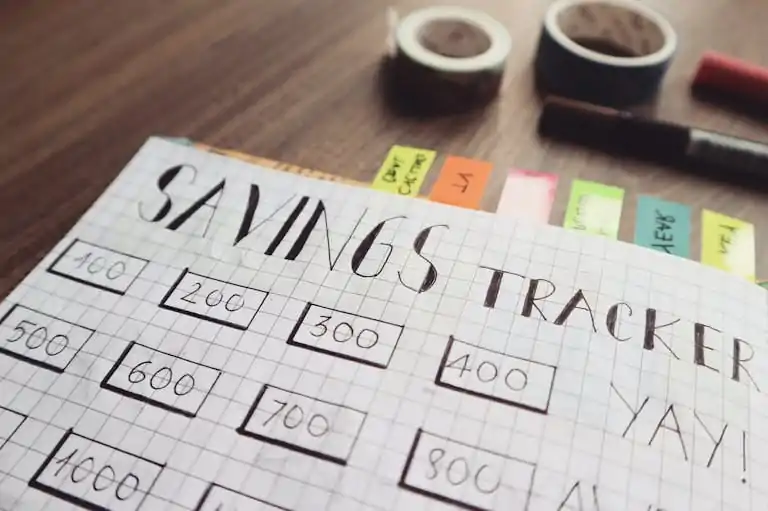
Some people use a “debt-free chart” as part of their budget. They draw a bar or a line on paper, and each month they color in how much they paid. Watching the chart fill up is a simple but deeply moving act. It makes the work feel real. It honors the effort. Many who have done this say that the chart on the wall was a big part of what kept them going when times felt hard.
The wins also build belief. After a few months of hitting the budget plan, a person starts to believe that they can do this. That belief is not small. It is the thing that makes the difference between those who finish and those who quit. A budget does not just track progress. It builds the belief that progress is possible.
13. It Sets You Free in the Long Run
The final and deepest reason budgeting helps you get out of debt is that it sets you free. Not just from the debt itself, but from the way of life that led to it. It builds a new set of money ways, a new mindset, and a new level of peace that stays long after the last debt is paid.
When the debt is gone, the cash that was going to debt each month is now free. That is real money that can go to savings, to a home, to a trip, or to giving to others. The budget, the same one that helped clear the debt, can now be used to build wealth. The tool does not change. The goal does. That shift from debt-pay to wealth-build is one of the great moments in a person’s money life.
Many who have gone through this say that the process of clearing debt through a budget changed how they see money for good. They no longer see money as something that controls them. They see it as something they control. That mindset shift is worth more than any single pay. It is the foundation of long-term money health.
The late great Nelson Mandela once said that freedom is not just the absence of chains but the presence of the ability to live fully. The same is true of money freedom. It is not just the absence of debt. It is the presence of choice. A budget gives that choice back to you, month by month, until the chains of debt are gone and the life you want can truly begin.
The path is not fast. It is not always easy. But it is clear, and it is real. Every person who makes a true budget and sticks to it moves closer to that life. Not one day far in the future. Starting with the very first month.
FAQ
Q: How do you make a budget when cash is very tight?
Start with what is called a “zero-based budget.” List every dollar of earn and give each dollar a job. Core needs come first: rent, food, basic bills. Then, even if the amount is small, set aside something for debt pay. Even 20 dollars a month is better than zero. Over time, find cuts. Each dollar freed up goes to debt. The key is to start, even small.
Q: What if the budget feels too hard to keep each month?
Most first budgets are too tight. They leave no room for real life. Give yourself a small “flex” line. This is for things that come up but were not planned. If you do not use it, it goes to debt. If you need it, you have it. A budget that has a little flex is one you can keep.
Q: How long does it take to get out of debt with a budget?
It depends on how much is owed and how much can be put toward it each month. But with a true, well-made budget and a set monthly pay, most people find they move much faster than they thought. Some clear mid-level debt in one to three years. The key is to not stop and to put any extra found cash toward debt as fast as possible.
Q: Can a budget work for a family, not just one person?
Yes, and it often works better when the whole family is part of it. When everyone sees the plan and agrees to it, there is more support and less spending outside the plan. Make the budget a team act, not a rule from one person. Kids can even be part of it in small ways, which teaches them good money ways from a young age.
Q: What tools can help with budgeting?
A simple paper and pen works. So does a basic spread sheet. There are also free apps like Mint and You Need A Budget (YNAB) that many find very helpful. The tool does not matter much. What matters is that it gets done each month without fail.
Conclusion
Debt is not a life sentence. It is a problem that has a clear solution. And the most tried, most tested, most real solution for most people is a simple, honest, monthly budget. As this piece has shown, the budget does not just help you pay debt. It stops bad buys, cuts fear, builds good ways, finds extra cash, and, over time, gives you a kind of peace and freedom that most people in debt think is far out of reach.
The 13 reasons above are not just nice ideas. They are the lived truth of millions who used a budget to turn their money life around. From the school teacher who cut food costs and cleared card debt, to the family that sat down each month and built a plan they all believed in, the budget is the common thread in nearly every debt-free story.
Start today. Not next month. Today. Write down what you earn. Write down what you owe. Write down what you spend. Look at the gap. Make a plan. Give every dollar a job before the month starts. And then, each month, do it again.
The road to being debt-free is not short. But with a budget as your guide, every step is in the right direction. And one day, not too far from now, the last debt will be paid. That day will come. And when it does, you will look back and know that the budget was the thing that made it real.