What is Financial Freedom? (Simple Guide)

Most people go to work each day, pay their bills, and then wait for the next pay. This cycle goes on and on. The money come in. The money go out. And the same fear stay. Financial freedom is the way out of this cycle. It is not just for the rich. It is not a dream. It is a real goal that any one can reach with the right steps and the right mind.
This guide will show what financial freedom is, why it matter, and how to get there step by step.
1. What Does “Free” Really Mean Here
Financial freedom means your money work for you, not the other way. It means you do not need to trade your time for cash just to pay your bills. You have enough to live well, to give, to grow, and to rest, all at the same time.
Many people think free means you stop work. That is not true. Free means you have the choice. You can work if you want. You can stop if you want. The key word is choice. When money no longer tell you what to do, you are free.
Freedom is not a big number in your bank. It is a state of your life. Some reach it with a lot of cash. Some reach it with a simple, low-cost life. The path is not the same for all. But the goal is the same, to live with no money fear.
A man in Japan, name Shu Matsumoto, left his big city job at age 38. He did not have a lot of cash. But he had no debt, low cost, and a small farm. He was free. Not rich, but free. That is the real face of financial freedom.
2. Know Your Number
Every one who want to be free must know their number. This is the amount of cash you need each month to live a good life. Not a rich life. Not a poor life. A good, calm, full life.
Add up your food cost, home cost, health cost, and any other need. Then add a bit more for fun and for save. That is your base number. Once you know it, you can work back from it to see how much you need to have saved or how much your assets must earn each month.
For most, this number is less than they think. Many people over-spend on things that do not give them real joy. When you cut the waste, your number goes down. And when your number goes down, freedom gets closer.
This is why many who earn very well are still not free. They raise their cost each time they earn more. A car for each pay rise. A big home for each new job. This trap has a name. Experts call it lifestyle inflation. It is the main block to freedom for middle-class earners.
Write your number down. Keep it real. Keep it low. And work each day to close the gap.
3. Build Your Base First
You can not run if you have no feet. You can not grow if you have no base. The base of financial freedom is a simple fund that keep you safe when life go wrong.
This fund is your emergency cash. It must cover at least 3 to 6 months of your basic need. No more, no less. It sit in a safe, easy-to-reach place. It is not for investment. It is not for fun. It is your safety net.
When your car break, when you lose your job, when health bill come, your fund save you. Without it, you will borrow, go in debt, and fall back. Debt is one of the biggest walls on the road to freedom.
Dave Ramsey, a well-known money teacher in the USA, made the emergency fund the first step in his plan. He call it Baby Step One. Millions have used this step to stop the debt cycle. It work, not because it is magic, but because it cut the fear.
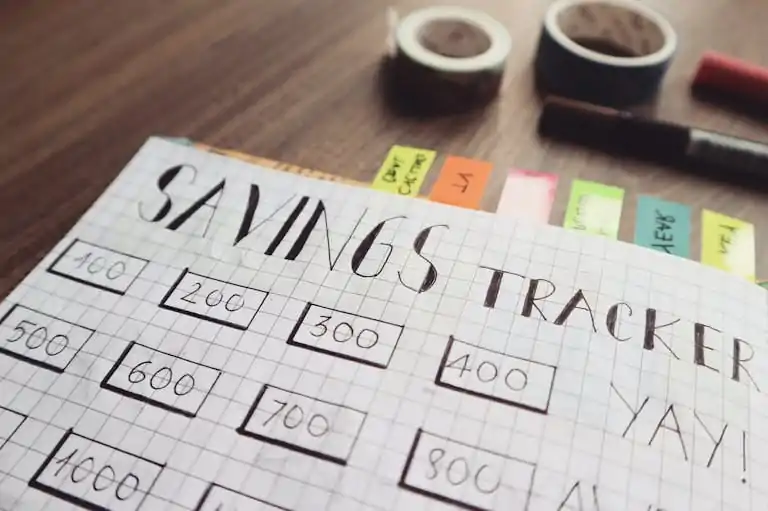
Start small if you need to. Save 500. Then 1000. Then build up slow and steady. Each step make the next step easier. The fund give your mind peace, and a calm mind make better money choices each day.
4. Stop Debt, Stay Clean
Debt is the enemy of freedom. When you owe, you are not free. Your future income is already sold to the past. You earn today but you pay for yesterday. That is a hard way to live.
The first type of debt to kill is the high-cost kind. Debt that grow fast, that take more and more each month, that never seem to go down no matter how much you pay. This type of debt is a trap. Get out of it as fast as you can. Pay more than the min. Cut your cost. Sell what you do not need. But get out.
Once you are out, stay out. Do not go back. This is where most people fail. They pay off debt then use the same old way of spend and soon they are back in the same hole. The habit must change, not just the balance.
Two people who show this well are Thomas Stanley and William Danko, who wrote “The Millionaire Next Door.” They found that most real wealthy people live below their earn, avoid bad debt, and build slow and steady. They did not look rich. But they were free.
Ethical money practice says to not take on debt you can not pay or that harm others. Borrow only when it help build real value. And pay it back fast. That is the clean, right way to handle money.
5. Save With a Plan
Saving money with no plan is like walking with no map. You might move, but you do not know where you go. A plan give your savings a job to do.
Split your savings into goals. Short goal, like a trip or a tool. Mid goal, like a home down pay or a car. Long goal, like a fund that pay for your life when you stop work. Each goal need its own target and its own time line.
The best way to save is to do it before you spend. When pay come in, move a set part to your save fund first. Then live on what is left. This is called “pay yourself first.” It sound simple but most do not do it. They spend first and save what is left, which is often zero.
Even small save add up big over time. A save of just 50 a month grow to a lot over 20 years if it grow with good return. The power of time and steady action is one of the most force full tools in money life.
The key is to not wait till you earn more. Start now. Start small. Start with what you have. Most people say they will save when they earn more. But when they earn more, they spend more. The habit must form now, not later.
6. Grow What You Have
Save alone will not bring freedom. Your money must grow. And for it to grow, it must work, just like you work. This is the core of wealth build. Your money earn, then that earn earn more, and so on.
The best way to grow money in an ethical way is to put it in things that give real value over time. A home that you rent out. A small business that you build. Land that grow in worth. A fund that hold part of many strong real companies. These are all ways that your money can grow while you sleep.
Warren Buffett, one of the most known investors in the world, once said that if you do not find a way to make money while you sleep, you will work till you die. That is the truth of wealth build. Your job give you income. But your assets give you freedom.
Start with small steps. Learn the basic of each type of asset before you put money in it. Do not rush. Do not follow hype. Do not put all your money in one place. Spread it. Grow it slow. Stay with it long.
Many new investors lose money not because they pick bad things, but because they sell in fear when the value go down. The ones who stay, who trust the long plan, are the ones who win. Patience is not just a good trait. In the world of money grow, patience is a tool.
7. Live Below What You Earn
This one rule, if you follow it, will change your money life. Spend less than you earn. That is it. It sound too simple. But most people do the reverse.
They earn 1000 and spend 1100. They use debt to fill the gap. Then the gap grow. Then the debt grow. Then the fear grow. And they are stuck. Living below your earn is not about being cheap. It is about being wise. It is about knowing what you need and what you just want in the moment.
One tool that help is to track your spend. Write down each thing you buy for 30 days. Most people are shock by what they find. Coffee, snacks, small apps, online buy, all the small things add up to a big number each month. When you see it clear, you can cut it smart.
The key is to cut cost that do not bring real joy or real need. Keep the things that matter. Cut the things that you buy out of habit or peer push. This take some self-work but the gain is worth it.
Families who live below their earn, even on a mid level income, build more wealth than high earners who over-spend. The number that matter is not what you earn. It is what you keep.
8. Know the Mind Traps
Your money choice are driven by your mind. If you do not know your money mind, your own head will hold you back. This is the side of money that most guide do not talk about, but it may be the most key part.
Fear make people hold too much cash and not grow it. Greed make people risk too much and lose it. Pride make people over-spend to look good to others. Shame make people hide from their true money state. All of these are traps. All of them cost real money.
One of the most common traps is what experts call “keeping up with others.” You see your friend get a new car. You feel you need one too. You see your neighbor do a big trip. You feel left out. So you spend. But you do not need these things. You just feel the push from the world around you.
The cure is to know your own values. Ask: what do you really want from life? What does a good day look like for you? When your spend match your true value, you feel good about your choices. When your spend come from peer push, you feel empty, even after the buy.
Read books like “The Psychology of Money” by Morgan Housel. It show how human behavior, not just math, drive money result. Know your own mind. It is the best tool you have.
9. Give and Stay Grounded
One truth that many miss is that giving is part of a free life. People who give tend to be more happy, more calm, and more at peace with their money life. This is not a lucky guess. Many studies on well-being show it to be true.
Giving keep your mind off pure self-gain. It link you to a bigger goal. It remind you that money is a tool, not the end goal. When you hold too tight to money, fear grow. When you give with an open hand, the fear shrink.
This does not mean give all you have. It means set a part of your income for others. It can be small at first. Give to those in need. Help your family. Support a cause you care about. The act of giving, even small, shift your whole mind on money.
Many who reach financial freedom say that the joy of giving is one of the best part of being free. When you no longer fear for your own need, you have the head space and the heart space to think of others.
Build giving into your plan from the start. Do not wait till you are rich to give. Give now, in what ever way you can. It will shape your money life in ways that are hard to put in a number.
10. Stay the Course, Every Day
Freedom is not a one-time act. It is built day by day. Each good choice, each save, each wise spend, each asset you grow, each debt you pay, all of it add up. The big win come from the small daily act done right, again and again.
Most people give up too soon. They try for a month, see slow result, and go back to old ways. But real financial freedom take time. It take 5, 10, or even 20 years for many. That is not a bad thing. That is just the truth. The path is long but the peace at the end is real and full.
Look at the story of Ronald Read, a man in the USA who worked as a gas man and a janitor his whole life. He was not a big earner. But he saved and grew his money slow for over 50 years. When he died at age 92, he left 8 million to his local hospital and his local library. He was free. Not flashy. Not known. But free and at peace.
You do not need to be smart. You do not need to earn a lot. You need to be steady. Show up each day. Do the right thing with your money. And trust the long plan.
Set a review each month. Look at your save. Look at your debt. Look at your goals. Adjust what need to be adjusted. Stay the course. And in time, the goal will come to you.
FAQ
Q: How long does it take to reach financial freedom?
It depend on your income, your cost, your save rate, and your goals. For some it take 10 years. For some, 20 or more. The key is to start now and not stop. Each year you wait cost you in the long run.
Q: Do you need a high income to be financially free?
No. Many with low to mid income reach freedom by keeping cost low and saving with a plan. Income help but it is not the only path. Your habits matter more than your salary.
Q: What is the first step to take today?
Know your current money state. Add up what you earn, what you owe, and what you spend. Then set a small, clear save goal. Even 10 a week is a start. Action today is worth more than a big plan that never start.
Q: Is financial freedom the same as being rich?
No. Rich is about how much you have. Free is about how you live. A person with a lot of cash but high cost and high debt is not free. A person with a modest life, no debt, and steady save can be very free.
Q: Can one person reach financial freedom with a family to care for?
Yes, and it is more worth it with a family. Plan together. Teach your kids about money early. Set goals as a unit. It take more time but the result is a free, strong, and happy home.
Conclusion
Financial freedom is not a far, out-of-reach dream. It is a real goal made of small, real steps. Know your number. Cut your debt. Save with a plan. Grow what you have. Live below what you earn. Know your mind. Give to others. And stay the course each day.
The path is not fast. But it is sure. Each step you take today make the next step more easy. The fear that most people carry about money, the stress, the worry, the lost sleep, all of it can go away. Not all at once. But bit by bit, as your plan take root and your habits grow strong.
A life with no money fear is a life with more joy, more calm, and more time for what truly matter. That is the real gift of financial freedom. Not just the cash. But the life it gives you back.
Start today. Start small. Start with what you have. And do not stop.