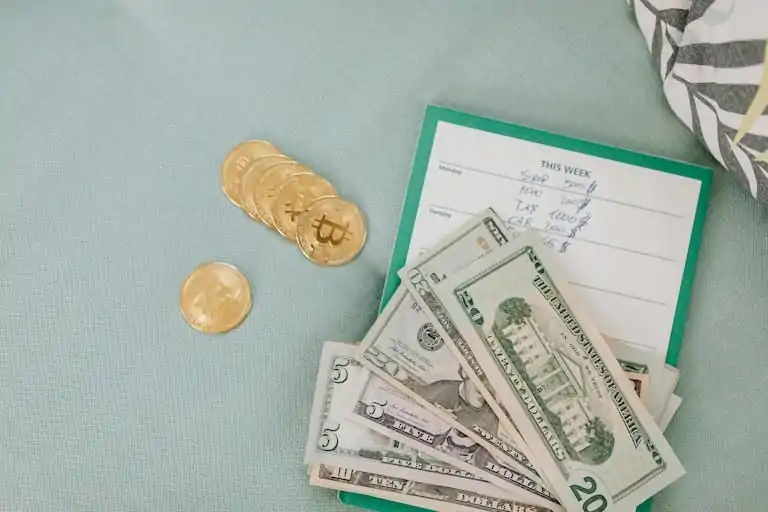
10 Ways to Beat Fear and Start Saving Money

Fear is real. It sits in the chest, makes the hands shake, and stops good people from doing what they know they must do. Many want to save money but feel lost, scared, or just not sure where to start. The good news is that fear of money is not a life plan. It is just a wall, and walls can be climbed.
This post is for the real people out there who earn, spend, and worry. The ones who want more peace, more calm, and more cash in the bank. By the end of this read, the goal is clear: know why fear shows up, what it does to the mind, and how to take ten real steps that work.
1. Know What Fear Does to the Mind
Fear of money is not just a feeling. It is a brain thing. When a person feels scared about cash, the brain goes into a mode where it wants to run or hide. This is the same mode that helped old humans run from wild dogs. The brain does not know the bill is not a wolf.
When fear takes over, the mind stops thinking in a clear way. People stop looking at their bank account. They stop making plans. They say “later” a lot. This is called avoidance, and it is one of the top ways people make their money life worse without knowing it.
Real life case: In 2008, when the big crash hit, many people in the US just froze. They did not move their funds, they did not ask for help, they just shut down. The ones who lost the most were the ones who let fear drive the car.
The fix is not to be brave all the time. The fix is to learn what fear is doing so that the mind can choose a better path. When a person knows the trick, the trick stops working. Write down what the fear says: “you will fail,” “it is too late,” “you are bad with money.” Then ask: is that true? Most of the time, the answer is no.
Start with one small act. Check the bank once. Just once. That one act breaks the fear loop and shows the brain that it is safe to look.
2. Set One Small Goal First
Big goals scare people. Small goals build trust. Many saving plans fail not because the plan is bad, but because the goal is too big too fast. When a goal feels too far away, the brain gives up before the start.
The best move is to pick one goal that can be done in 30 days. Save 500 rupees. Save $10. Set aside just a bit each week. It does not have to be a lot. The point is to build the habit, not hit a huge number right away.
A study from Duke University in the US showed that over 40% of what people do each day is pure habit. That means most of what is done with money is not a choice, it is a pattern. To change the money life, change the pattern. And the best way to start a new pattern is to make it very easy.
Real life case: James Clear, who wrote a well known book on habits, talks about the “two-minute rule.” If a new habit can be started in two minutes, it is more likely to stick. So the first saving habit should be two minutes or less. Set up a small auto-save. Round up spare change. Move a tiny amount to a second account.
Once the small goal is hit, the brain feels good. That good feeling is fuel for the next goal. Start small, feel the win, grow from there. This is not weak. This is smart.
3. Face the Real Numbers
Most people fear what they do not know. The bank balance feels scary, so they do not look. The bill comes in, so they put it under the bed. But not looking does not make the number go away. It just means the number grows in the dark, and the fear grows with it.
The most powerful act in money life is to sit down and look at the full picture. Write down what comes in each month. Write down what goes out. Look at every line. Yes, it may feel bad at first. But that bad feeling only lasts a few minutes. After that comes something more useful: the truth.
Real life case: A woman in the UK, known in many money blogs, said she had no idea she was spending over £200 a month on small online buys. Once she wrote it all out, she cut that in half in the first month and saved £1,200 in the first year. She said the hardest part was just opening the bank app.
Bold truth: the numbers are not the enemy. The fear of the numbers is. Once a person sees the real picture, they have power. They can act. They can cut what does not serve them. They can move money to better places.
Use a simple sheet of paper or a free app. Write income on top, costs below. See what is left. That leftover amount is the start of the saving life.
4. Stop the Compare Game
One of the top ways people waste money is by trying to look like someone else. The new phone, the big car, the nice bag. These things often come from a deep need to fit in or feel worth something. But they cost a lot and leave little room for real saving.
This is called “keeping up with the Joneses” in the West. In South Asia, it is the same thing, just with a different name. A new suit for the wedding. A big gift to show class. A phone that costs three months of pay. All of it comes from fear, the fear of being seen as less than others.
Real life case: A well known study by Thomas J. Stanley, who co-wrote “The Wealthy Barber” type books in the US, found that most truly rich people do not live in the biggest house or drive the newest car. They save, they invest quietly, and they let the money work. The ones who look rich on the outside are often the ones who are broke on the inside.
The compare game has no end. There will always be someone with more. The only race worth running is the one within. Ask: does this buy move life forward, or does it just make the outside look good for a day?
Cut one compare-driven cost this month. One. See how it feels. Most people feel lighter, not worse.
5. Build a Safe Cash Buffer
Fear about money is much worse when there is no safety net. When every rupee is spent before it is earned, one small shock, a car fix, a sick day, a bad month, can break the whole system. That kind of edge-of-the-cliff life keeps people in a state of stress all the time.
The goal is to build what most call an emergency fund. This is money set aside only for real shocks. Not for a sale, not for a trip, not for fun. Just for true need. Even a small buffer of one month of costs can change how a person feels about money in a deep way.
The science backs this up. A report from the US Consumer Finance body found that people with even $400 to $500 saved felt much less stress than those with zero. The amount is not the point. The fact that something is there is the point.
Real life case: In many low-income homes in Pakistan and India, people use a “committee” or “ROSCA” system where a group saves together and each member gets a lump sum in turn. This has worked for ages because it turns saving into a group act, not a solo fight. It also removes the fear by making it social and safe.
Start with a goal of 3 to 7 days of basic costs saved. Then grow it to 30 days. Then 90 days. Each step up is a step away from fear and closer to calm.
Do not keep the buffer where daily spend money lives. Put it in a separate account that is not easy to touch. Out of sight, out of reach, but still yours.
6. Change the Story in the Head
What a person tells themselves about money shapes everything. If the inner voice says “people like us don’t have money” or “saving is only for the rich,” that story will run the show. These are called money beliefs, and they come from childhood, from family, from culture.
The brain is not fixed. Science now knows that the brain can form new paths at any age. This is called neuroplasticity. That means the story can change. But it takes work. It takes seeing the old story, naming it, and choosing a new one on purpose.
Real life case: A well known study from Cambridge University in the UK found that most money habits are set by age 7. That is early. But the study also showed that new habits and new thinking can override old ones with practice and time. It is not fast, but it is real.
Try this: write down three things the mind says about saving. Then write the opposite of each one. Not as a lie, but as a question. Instead of “saving is for the rich,” try “what if saving is how people get more?” Say the new line out loud each day for 30 days. It feels odd at first. That is normal. Odd means new.
Books like “Rich Dad Poor Dad” by Robert Kiyosaki or “The Total Money Makeover” by Dave Ramsey talk about this shift in full detail. Both men grew up in tough spots and both say the change in the mind came before the change in the bank.
7. Cut One Cost Right Now
Waiting for the right time to save is one of the most common traps. “When the pay goes up.” “When the kids are done with school.” “When things calm down.” But the right time is not coming. The right time is now, with what is here.
The best way to start is to cut one cost today. Not ten. Not a full budget overhaul. Just one. Look at the monthly spend and find one thing that costs money but does not add real joy or real need. A streaming plan not used. A snack bought out of habit. A call plan with too many extras.
Real life case: A famous personal finance writer named Michelle Schroeder-Gardner paid off over $38,000 of debt in just 7 months. She did it by cutting costs one step at a time and moving that money to pay down what she owed. She did not win the lottery. She just made small, firm choices every week.
Every rupee or dollar saved is not a loss. It is a win. The mind often feels that cutting a cost is giving something up. But the truth is that cutting a low-value cost is buying something better: freedom, calm, and a future with less fear.
Write the cut down. Tell someone. That small act of telling makes it real and makes it stick. Then move the saved amount to a saving account the same day. Do not wait. Move it now.
8. Use the Power of Auto Save
The brain is lazy. That is not an insult. It is just true. The brain wants to save energy. It goes the easy path. So if saving money needs a lot of thought and effort each week, the brain will skip it. Life gets busy. The save never happens.
The fix is to make saving the easy path. Set up an automatic transfer the day pay comes in. Before the money can be spent on anything, a set amount moves to a save account. This is called “pay yourself first” and it is one of the most taught ideas in personal finance.
Real life case: Many large banks in the US now offer “round-up” tools. Every time a person buys something, the cost is rounded up and the spare change is saved. One woman in Texas saved over $1,000 in a year without ever thinking about it. Small amounts, done often, add up fast.
The goal is to make saving a non-event. When saving happens without thought, it happens every time. When it needs a choice, it often gets skipped. Remove the choice. Make it automatic. Set it once and let it run.
Even 200 rupees or $5 a week on auto saves better than 2,000 rupees or $50 saved “when there is extra.” There is never extra unless saving comes first.
9. Find One Money Friend or Group
Saving alone is hard. Saving with others is easier. The mind does not like to be the only one doing a hard thing. But when people around someone else are saving, when the topic is open and shared, the whole thing feels more normal and more doable.
Find one person, a friend, a spouse, a sibling, anyone who also wants to grow their money life. Meet once a month, even for 30 minutes. Talk about goals, what was saved, what was hard, what went well. No judgment. Just sharing.
This kind of social support has real science behind it. A study from the University of California found that people who share goals with a trusted peer are 65% more likely to hit those goals than those who keep it private. That number goes up to 95% when the two people plan to meet and talk about it.
Real life case: In Japan, a practice called “Kakeibo” has been used for over 100 years. It is a kind of mindful money journal where people write down all that comes in and all that goes out, and they reflect on it. Many Japanese families do this together. The result is one of the highest saving rates in the world.
If no one around saves, look online. There are many free groups and forums where real people share their saving journey with no shame. Being around others who save makes saving feel normal, not hard.
10. Reward Small Wins
The brain learns what it gets paid to do. If saving money only ever feels like a sacrifice, a loss, a hard thing, the brain will start to avoid it. But if saving money is tied to a good feeling, a small reward, a moment of pride, the brain will want to do it again.
This is basic behavior science. B.F. Skinner, a US scientist, spent decades showing that what gets rewarded gets repeated. Not with big things. Small, real, timely rewards work best.
So when a saving goal is hit, even a small one, mark it. Celebrate it in a simple way that does not cost a lot. A nice meal at home. A walk in the park. A call with someone who cares. A page in a journal. The reward does not need to cost money to feel good.
Real life case: A man in the UK who paid off all his debt in five years said he kept a simple chart on his wall. Each time he saved a target amount, he colored in a box. When the chart was full, he took a photo and shared it with his family. That photo meant more to him than the money itself. The feeling of progress kept him going.
Progress, not perfection, is the goal. Saving is not about being a robot. It is about building a life that has less fear and more choice. Every small win moves that life forward. Every win deserves to be felt, even for just a moment.
FAQ
Q: What if there is truly no money left to save after all costs?
This is more common than most say out loud. The first step is to write out every cost and look for even one small thing to cut. Even saving 50 rupees or $1 a week is a real start. The point is the habit, not the amount. Over time, as the habit grows, the amount grows with it.
Q: Is it too late to start saving if one is already middle-aged?
It is never too late. A 40 year old who starts saving today has 20 or 25 years ahead. That is a long time. Many people build their best wealth after 40 because they know themselves better, they earn more, and they make smarter choices. Start now, not later.
Q: How do people stop spending when they feel sad or stressed?
This is called emotional spending, and it is very real. The fix is not to ban all spending but to add a pause. When the urge to buy something hits and it is not on the plan, wait 24 hours. Most of the time, the urge passes. If it does not, and the buy still makes sense the next day, then it was a real need and not just a mood buy.
Q: How much should be saved each month?
A common guide is to save 20% of take-home pay. But for many people, that is not real right now. Start with 5% or even 2%. The key is to start. Over time, as costs go down or income goes up, push the rate higher. Any amount saved beats zero saved.
Q: What is the best place to keep saved money?
Keep it in a separate account that is not linked to daily spend. Many banks offer basic savings accounts at no cost. The goal is to keep it out of easy reach so it is not spent. Some people use a second bank for this reason. The less easy it is to touch, the more it grows.
Conclusion
Fear about money is real, but it does not have to be in charge. Each of the ten steps in this post is a way to take back some control, one small act at a time. Know what fear does to the mind. Set a small goal. Look at the real numbers. Stop the compare game. Build a buffer. Change the story in the head. Cut one cost. Use auto save. Find a money friend. And reward every win.
None of these steps need a big income or a finance degree. They need only a willing mind and a first step. The first step is always the hardest. But it is also the most important.
Money is not the end goal. The end goal is a life with less stress, more calm, and more choice. A life where the next bill does not cause a panic. A life where savings grow slowly but surely, like a tree planted in good soil.
Start today. Not Monday. Not next month. Today. Even one small act, even one tiny transfer, even one cost cut, sets the wheel in motion. And once the wheel turns, it gets easier to keep it going.
The path to a better money life is not short. But every day lived with purpose and small action is one day closer to the calm, stable, and free life that every person deserves.