25 Simple Ways to Save Money Fast
Most people work hard but still feel like money just runs out too fast. The pay comes in, the bills go out, and at the end of the month, there is not much left. This is a very real and very wide problem for middle class people all over the world. The good news is that small, smart steps can change this fast.
This guide gives 25 real, easy, and tested ways to save money. Each tip is based on real life, real habits, and real results. Readers will find both quick wins and long term moves. No hard math. No big words. Just clear steps that work.
1. Track What You Spend
Most people do not know where their money goes. That is the root cause of most money problems. When you track your spend, you see the leaks fast. A cup of tea here, a snack there, a new app that auto-charges each month. These small costs add up to big loss over time.
Start by writing down every cost for one week. Use a note app or a plain paper. At the end of the week, look at the list. Many people are shocked by what they see. A study from the National Endowment for Financial Education found that people who track costs save more in just 30 days than those who do not.
The act of tracking is itself a tool. When a person knows they will write it down, they think twice before they buy. It is like a soft brake on bad buys. This is called the “observer effect” in behavioral science.
Try a free app like Mint or Money Manager. Or just use a notes app. The key is to do it every day without fail. Make it a habit like brushing your teeth.
2. Make a Clear Budget
A budget is a plan for your money. Without a plan, money leaks out in all kinds of ways. With a plan, every coin has a job. This is not about being tight or cold. It is about being smart and in control.
The 50-30-20 rule is a good base. Put 50% of take-home pay to needs, 30% to wants, and 20% to savings. This is not a strict rule but a guide. Adjust it to your own life and goals.
Write your budget on paper or in a sheet. List all your income. Then list all your costs. The gap between these two numbers is your power. That gap is where your future lives.
Many people who struggle with money have never made a budget in their life. Dave Ramsey, the well known money coach, says a budget is “telling your money where to go instead of wondering where it went.” That one shift in mindset changes everything.
3. Cut One Big Cost
Most budgets have at least one big cost that can be cut. It might be a rent that is too high, a car that costs too much to run, or a gym plan that never gets used. Cutting one big cost can free up more money than cutting 10 small ones.
Sit down and look at your top 5 costs each month. Ask: which one hurts the most? Which one can be changed? Moving to a smaller flat, sharing rent, or giving up a car and using public transit can save hundreds each month.
A 2019 report from the Consumer Financial Protection Bureau found that housing costs are the biggest drain for most middle class households. If rent or a home loan takes more than 30% of income, that is a red flag.
Think about what can be changed this month. Not next year. This month. One big cut beats 20 tiny ones in terms of speed and impact.
4. Shop With a List
Going to a store without a list is one of the most costly habits. Stores are designed to make people buy more. Colors, smells, and shelf placement all push people to spend. A list is the one tool that gives control back to the buyer.
Before going to any store, write a list. Stick to it. Do not go in when hungry. Studies from Cornell University show that hungry people spend up to 64% more on food than those who have already eaten.
Also, use a cash budget for shopping. Take out a set amount of cash and leave the card at home. When the cash is gone, the shop is done. This physical limit works better than mental limits because it is real and clear.
This one habit alone can cut a monthly food bill by 20 to 30 percent. That is real money that can go to savings or other needs.
5. Cook More at Home
Eating out is one of the fastest ways to drain a budget. A meal at a restaurant costs 3 to 5 times more than the same meal made at home. Over a month, that gap grows to hundreds of dollars.
Start with small steps. Cook at home 4 days a week instead of 2. Then go to 5. Then 6. It does not have to be hard or fancy. Simple meals like rice, beans, eggs, and vegetables are cheap, healthy, and fast to make.
Meal prep on a Sunday is a great way to save both time and money. Make big batches of food and store them in the fridge. This way, when a person is tired and busy, they do not need to order food. The meal is already there.
The average household in the US spends over $3,000 a year on dining out. Cutting that by half adds $1,500 to savings with no pain at all.
6. Stop Impulse Buys
An impulse buy is a buy made without thinking. It feels good for a moment but leaves regret and an empty wallet. Most people do not even realize they are doing it. It is automatic, fast, and often triggered by stress or boredom.
The best fix is a “wait 48 hours” rule. When the urge to buy something hits, write it down and wait two days. If after 48 hours the want is still strong, then think about it more. More often than not, the urge is gone and the buy does not happen.
James Clear, author of the book “Atomic Habits,” writes that habits, both good and bad, are triggered by cues. An online sale email is a cue. A bored scroll through a shop app is a cue. Remove the cues and the bad habit loses its power.
Unsubscribe from sale emails. Delete shopping apps from the phone. These are small moves that create a big wall between the urge and the act.
7. Use Cash, Not Card
When people pay with a card, the pain of spending is reduced. The brain does not feel it as much as when real cash leaves the hand. This is known in behavioral economics as the “pain of paying.” Credit cards and tap-to-pay apps dull that pain even more.
Switch to cash for daily buys. Food, transport, small items. Use a weekly cash envelope system. Put a set amount in an envelope at the start of the week. That is all there is to spend. No more, no less.
Richard Thaler, who won the Nobel Prize in Economics, studied how people spend differently with cash versus cards. The results were clear. Cash users spend less, save more, and feel more in control of their money.
This is not just theory. It is a habit used by many frugal people all over the world. Try it for just one month and see the shift in both spending and savings.
8. Cancel Old Plans
Most people pay for things they no longer use. Streaming apps, gym plans, news sites, cloud storage upgrades. Each one might cost a small amount each month, but together they can add up to $100 or more.
Do a “subscription audit” once every 3 months. Go through your bank statement and list every recurring charge. For each one, ask: did you use this in the past 30 days? If no, cancel it today.
Apps like Truebill or Rocket Money can do this automatically. They scan your bank or card history and show all active plans. Many people find 5 to 10 things they forgot about.
Cutting just 5 unused plans at $10 each saves $600 a year. That is money that was being lost for nothing. This is one of the fastest and most painless wins in any budget cleanup.
9. Buy Used, Not New
New is not always better. In many cases, a used item works just as well as a new one but costs a fraction of the price. Furniture, clothes, books, tools, electronics, cars. All of these can be bought used and in great condition.
Apps like Facebook Marketplace, eBay, and Craigslist make it easy to find used goods near where you live. Charity shops and second-hand stores also have good finds. Many items are sold barely used, sometimes with the original box.
A used car that is 3 years old can cost 40 to 50% less than a brand new one. Yet it still drives, still looks good, and still gets the job done. The drop in value that happens when a new car leaves the shop is called “depreciation,” and the smart buyer lets someone else take that hit.
Buying used is not about being poor. It is about being wise. Many wealthy people follow this habit. It is one of the key secrets to building wealth quietly over time.
10. Plan Your Meals Weekly
Food waste is a silent cost that most people ignore. In the US alone, households waste about $1,500 worth of food each year. That is money that went into the bin. Meal planning stops this waste by making sure food is bought with purpose.
At the start of each week, plan 7 dinners and a few lunches. Write a shopping list based only on what is needed for those meals. Buy nothing extra. Cook what was planned. Eat what was cooked.
This sounds simple but it takes a shift in mindset. Most people shop first and then think about what to cook. Flip that order. Plan the cook, then shop for it. That single change cuts waste and cost at the same time.
Over a month, planned meals can cut a food budget by 25 to 40 percent. Over a year, that adds up to a large sum that can go toward savings or goals.
11. Save Before You Spend
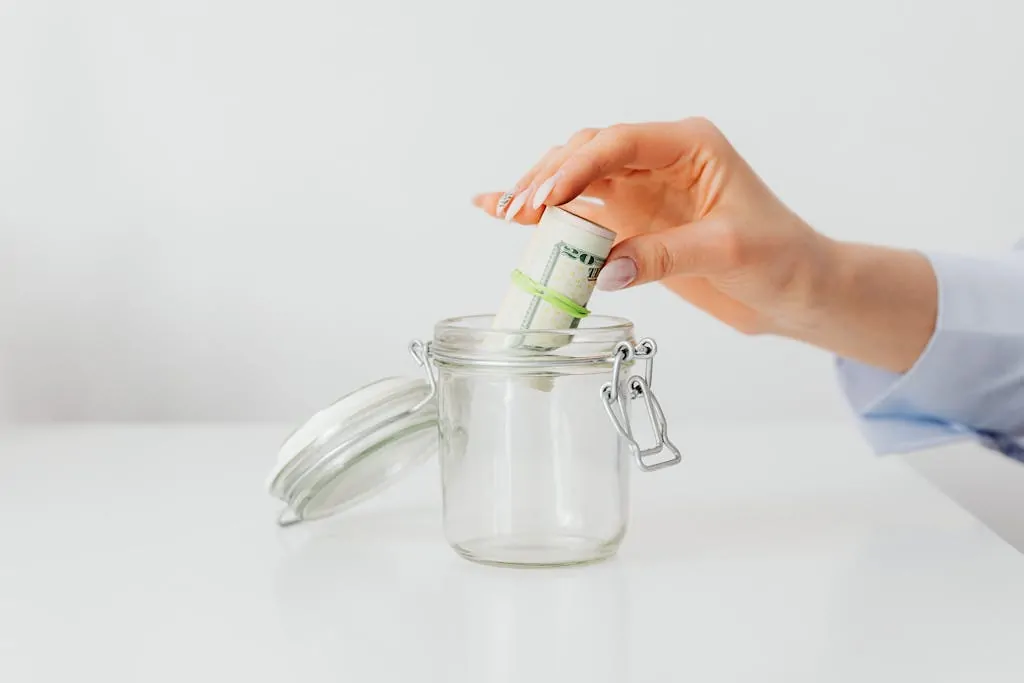
The golden rule of saving is: pay yourself first. Do not wait to see what is left at the end of the month and then save that. By then, it is usually gone. Instead, move money to savings on the day pay arrives.
Set up an automatic transfer to a savings account. Even $20 or $50 a month is a start. The key is that it happens before any spend decision is made. This removes the choice. The money is gone before the brain can decide to use it.
This method, often called “Pay Yourself First,” was made famous by George Clason in his book “The Richest Man in Babylon.” The book tells the story of how even low earners built great wealth by saving just 10% of every pay. The principle has not changed in over 100 years.
Start with whatever amount is realistic today. Even 1% is better than 0%. Increase it by 1% every 3 months. Over time, this builds into a strong savings habit that runs on its own.
12. Set a Small Savings Goal
Big goals feel far away. Small goals feel real. When the target is too large, the mind gives up before starting. But a small, clear, near goal pulls the mind forward. It creates focus and energy.
Set a goal to save $500 in 90 days. That is about $5.50 a day. Write the goal on paper and stick it somewhere visible. A bathroom mirror, a fridge, a desk. The visual cue keeps the mind on track.
Once the first $500 is saved, set the next goal. Then the next. Each small win builds confidence and changes the way a person thinks about money. This is backed by research in goal-setting theory by Edwin Locke and Gary Latham, who found that specific, near-term goals lead to far better outcomes than vague long-term ones.
The joy of reaching a small goal fuels the desire to reach the next one. That is the psychology of progress, and it is one of the most powerful forces in personal finance.
13. Reduce Energy Bills
Energy bills are one of the most ignored areas of savings. Yet small changes in the home can cut them by 15 to 30 percent. That is real money saved every single month with very little effort.
Turn off lights when leaving a room. Unplug devices that are not in use. A device on standby still draws power. This is called “vampire power” and it can add up to $100 or more a year just on its own.
Switch to LED bulbs. They use up to 75% less energy than old bulbs and last much longer. Set the thermostat a degree or two lower in winter and a degree or two higher in summer. These tiny shifts in temperature can cut heating and cooling costs by a meaningful amount.
The US Department of Energy estimates that a household can save $1,000 or more per year through basic energy saving habits. None of these steps cost much. Some cost nothing at all. Yet the savings are steady and real.
14. Avoid Daily Coffee Shops
A daily coffee shop habit is one of the most talked about money leaks. A $5 coffee, 5 days a week, is $100 a month. Over a year, that is $1,200. Over 10 years, with basic growth, that is closer to $20,000.
Make coffee at home. Buy a good coffee maker or a French press. The upfront cost is covered in less than two weeks of saved café costs. Home coffee tastes great, costs little, and takes just minutes to make.
This is not about never going to a café. Enjoying a coffee out now and then is fine. The key is making it a treat, not a daily routine. That one shift changes a money drain into an occasional joy.
Many people use this single habit change as the starting point for their savings journey. It is small enough to start without pain but big enough to feel the difference in the budget within a few weeks.
15. Use Free Entertainment
Entertainment does not have to cost money. Parks, libraries, free local events, nature walks, board games, podcasts, YouTube, free museum days. There are so many ways to enjoy life without spending much.
A library card is one of the most underrated financial tools. Books, movies, music, and even online courses are often free for card holders. Most people do not use their library at all, yet they pay for several streaming apps.
Make a list of free or very low cost things to do in your local area. Start doing at least two of them each week in place of paid activities. The savings add up fast, and many people find they enjoy the free options just as much, or more.
The best things in life truly are free or close to it. A walk in a park, a good book, time with loved ones. These are the real joys of life and they cost very little.
16. Compare Prices Before Buying
Price comparison is one of the easiest ways to save without changing what you buy. The same item can cost very different amounts at different stores. A five minute search online can save 20 to 40 percent on a single purchase.
Before any non-urgent buy, check at least 3 sources. Use Google Shopping, compare local store prices, and check second-hand options. Many browser tools like Honey or CamelCamelCamel track price history and alert users when prices drop.
Grocery stores are not exempt. The same product can cost less at a different store just a few blocks away. Buying store brand or generic items instead of name brand ones can cut a food bill by 15 to 25 percent with no real difference in quality for most items.
The habit of comparing before buying is one of the key traits of people who save well. It takes a little time but pays off every single time it is done.
17. Avoid Sales Traps
A sale is only a saving if you were going to buy the item anyway. Buying something for 50% off when you did not need it is not saving. It is spending. This is one of the biggest traps in consumer culture.
“Buy one get one free” deals, seasonal sales, and flash sales are all designed to make people buy more than they need. The brain sees a deal and feels a rush. That rush is not logic. It is emotion, and it can destroy a budget fast.
Before any sale purchase, ask one simple question: “Would you buy this at full price today?” If the answer is no, walk away. The deal is not a deal. It is a trap dressed up as a gift.
This mindset shift alone can save a person from hundreds of dollars in wasteful spending each year. Many people who are good at saving say they rarely shop during big sales unless they have a specific planned need to fill.
18. Build an Emergency Fund
Life sends surprises. A car breaks down, a tooth needs fixing, a job is lost. Without savings set aside for these moments, a person has to borrow money or go into debt. That makes a hard moment even harder.
An emergency fund is a set amount of money kept in a separate account, only for true emergencies. The goal is to have 3 to 6 months of basic living costs saved there. That might sound like a lot, but it starts with $100 and grows over time.
Even $500 in an emergency fund changes the stress level of daily life. It is a buffer between the person and a financial crisis. Financial planner Suze Orman often says that an emergency fund is not a luxury, it is a necessity. Truer words are hard to find.
Start today. Open a savings account used only for emergencies. Set a small weekly transfer to it. Do not touch it unless a real emergency hits. Over time, it grows and so does the peace of mind it brings.
19. Walk or Use Public Transit
Transport is one of the top 3 costs for most households. Cars cost money to buy, insure, fuel, and fix. If public transit or walking is a real option, switching to it can save hundreds per month.
A car costs on average $9,000 to $10,000 per year to own and run in the US. That includes fuel, insurance, repairs, and parking. For many people in cities, a bus pass or train card costs a fraction of that.
Even going car-free one day a week adds up. Walk to a nearby shop instead of driving. Bike to work once or twice a week. These small shifts improve health as well as finances.
The dual win of saving money and improving fitness makes this one of the most valuable lifestyle changes possible. And unlike many other savings tips, this one pays off in multiple ways at the same time.
20. Negotiate Your Bills
Most people do not know that bills are often negotiable. Phone plans, internet bills, insurance rates. Many companies will offer a lower price if asked. They would rather keep a customer at a lower rate than lose them completely.
Call your service providers once a year. Say that the bill feels too high and ask if there are better plans or loyalty discounts. Be calm and polite. In many cases, a discount is offered within minutes.
A study by Consumer Reports found that 7 out of 10 people who called to negotiate their cable or internet bill got a lower rate. 70 percent success rate with a single phone call. That is one of the highest return activities available.
Even cutting a phone bill by $20 a month is $240 a year. Do this with 3 or 4 bills and the savings become very meaningful with very little time spent.
21. Avoid Store Credit Cards
Store credit cards come with high fees and complex terms. They promise rewards and discounts but often lead to spending more, not less. The psychology behind them is designed to make a person feel they are saving when they are actually spending more.
Many store cards charge annual fees, high rates on balances, and push people to spend in specific stores. The “10% off your first purchase” offer pulls people in, but the card soon becomes a reason to shop at that store even when it is not the best price.
Avoid opening any credit-based account unless there is a very clear, planned need. If a credit card is already in use, pay the full balance every month to avoid extra charges. Never carry a balance forward.
The goal is to control spending, not to earn points by spending more. The best reward is a growing savings account, not miles or cashback on money that should not have been spent.
22. Sell What You Don’t Use
Every home has items sitting unused that someone else would pay for. Old clothes, gadgets, furniture, sports gear, books, toys. Selling these items brings in cash and clears out clutter at the same time.
Go through the home room by room. Make a pile of everything that has not been used in 6 months. List it for sale on Facebook Marketplace, eBay, or a local buy-sell group. Pricing it a little low gets a fast sale.
Many people make $200 to $1,000 or more from a single clear-out of their home. That money can go straight to savings or to pay off a bill. The process also resets the mindset around buying. When a person sees how much unused stuff they have, they think twice before buying the next new thing.
Make this a regular practice. A small clear-out every 3 to 6 months keeps the home light and the savings account slightly fuller each time.
23. Pack Your Own Lunch
Buying lunch at work or school is a cost that hides in plain sight. A $10 lunch, 5 days a week, is $200 a month. Over a year, that is $2,400. For a packed lunch made at home, the same period might cost $300 to $400.
The difference is about $2,000 a year. That is a real, significant sum that most people would love to have in savings but do not realize they are spending on mid-day meals.
Pack lunch the night before as part of a routine. Use leftovers from dinner. Make a simple wrap, a salad, or a grain bowl. These meals are faster to prepare than most people think and taste just as good.
This one habit, done consistently, is one of the most direct paths to fast money savings. No investment knowledge needed. No complex strategy. Just a bag and a bit of food from home.
24. Set Up Automatic Savings
The hardest part of saving is making the decision every month. Automation removes that decision. When savings happen without thought, they always happen. When they depend on willpower, they often do not.
Set up an automatic transfer from a checking account to a savings account. Time it to happen on the same day each month that pay arrives. Start with any amount, even $10 or $25. The habit matters more than the amount at first.
Over time, increase the transfer amount. When a raise comes, put half of it toward the auto-save. When a bill is cancelled, redirect that same amount to savings. This “set and forget” method is used by some of the most financially stable people in the world.
Vanguard, one of the largest investment firms, found that people who use automatic savings save on average 3 to 5 times more than those who save manually. The act of automation removes the friction that stops most people.
25. Review Your Progress Monthly
Saving money is not a one-time event. It is an ongoing practice. Like health or fitness, it needs regular check-ins to stay on track. A monthly review of spending and savings is one of the most powerful habits a person can build.
At the end of each month, sit for 30 minutes with the budget and bank statement. Ask: what did the plan say? What actually happened? Where did the money go that was not planned? What needs to change next month?
This review is not about shame or guilt. It is about learning and adjusting. Progress is rarely a straight line. Some months are good, some are hard. The key is to keep showing up, keep looking at the numbers, and keep making small improvements.
Over 12 months, these reviews create a full picture of financial behavior. Patterns emerge. Lessons are learned. Goals get closer. And the sense of control over money grows in a way that nothing else can match.
FAQ
Q: How much should a person aim to save each month?
A: A good starting point is 10% of take-home pay. If that feels too much, start with 5% or even 1%. The key is to start and be consistent. As the habit builds, the amount can grow. Even small amounts saved regularly make a big impact over time.
Q: What is the fastest single way to save money?
A: Cancelling unused plans and subscriptions is often the fastest single action. It frees up money instantly with zero effort or lifestyle change needed. Most people find $50 to $150 in unused monthly plans during their first subscription audit.
Q: Is it hard to save money on a low income?
A: It is harder, but not impossible. The principles are the same. Track spending, cut waste, save even a small amount first. Many people who now have strong savings started from very low incomes. The habit matters more than the amount. Start where you are.
Q: How long does it take to feel financial freedom?
A: There is no single answer. But most people who follow even half of the tips in this guide start to feel less financial stress within 60 to 90 days. The sense of control grows fast when the habits are real and consistent.
Q: Should all savings go into a bank account?
A: A basic savings account is a safe start. Once an emergency fund is built and stable, some savings can go toward low-risk, ethical investments or assets. The key is to never put money at serious risk until the basics are covered first.
Conclusion
Money saved is money earned. The 25 ways in this guide are not complex. They do not need a degree or special skills. They need only a decision and then small, daily actions that build over time.
The real secret to saving money fast is not one big move. It is many small ones done with care and repeat. Track, plan, cut, cook, compare, automate. Each step adds to the next. Each week gets a little easier. Each month the savings grow.
The goal is not just a bigger bank account. It is peace of mind. It is the freedom to say no to things that do not serve the bigger purpose. It is the joy of knowing that the future is being built today, one small choice at a time.
Start with one tip from this list today. Just one. Then add another next week. Over 6 months, these small acts become a full financial system that works without effort or stress. That is the real win. Not just money saved, but a life lived with more calm, more control, and more purpose.