10 Ways to Spend Less and Live More Starting Now
Your pay lands on Friday, and by the next weekend you are asking where it went. The food orders, the small buys, and the extra trips all felt tiny at the time. You want to spend less, but you also want a life that still feels full.
This guide gives you ten simple ways to spend less and enjoy your days more, starting today. Each one is a small change you can make with what you already have.
By the end you will know how to cook more, cut the buys you never miss, and fill your free time with things that cost little or nothing. Pick one idea, try its steps today, and then pick the next.
Ten easy ways to spend less and enjoy life more
Cook at home
Home meals cost far less than takeaway food.
Wait 30 days
A month of waiting kills most big wants.
Cut unused plans
End the monthly payments you never use.
Buy used first
Good used items do the same job for less.
Use the library
Borrow books and films for free each week.
Small steps each day beat one big plan that never starts.
1. Cook at home more often and spend less on meals
How many nights this week did you order food because you were tired? The meal arrived fast, and the cost was three times a plate made at home.
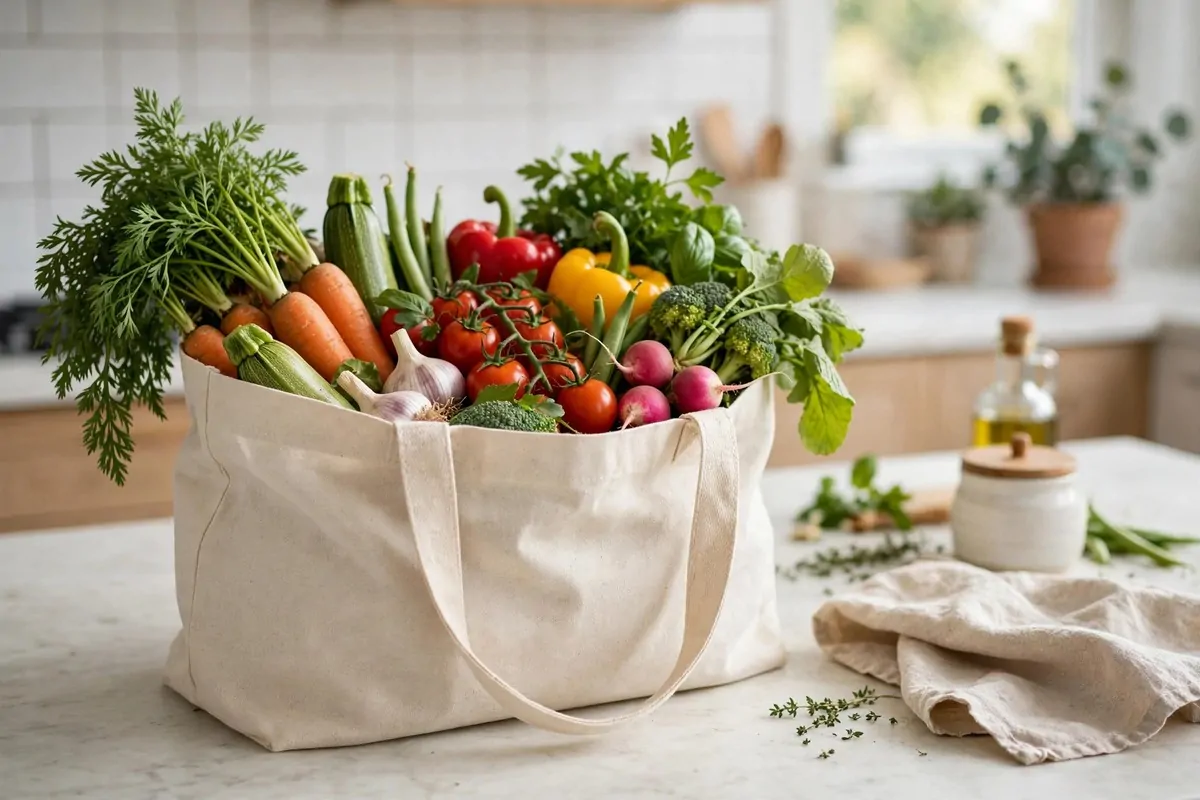
Cooking at home means you plan a few simple meals, buy the food once, and cook in batches. It cuts the cost of each meal, and it leaves you with leftovers for lunch the next day. You do not need fancy skills, just three or four meals you can make without thinking.
Try this today: first, pick three simple meals you already like and write the food list. Next, buy the food in one trip and cook a double batch when you have time. Then pack the leftovers, so tomorrow lunch costs you nothing extra.
Watch out for buying food you will not cook. Fresh food that goes bad is cash in the bin, so buy only what your plan uses.
A good first result looks like three home cooked dinners in one week and cash left in your food pot. That spare cash is yours to save, and it shows the change pays.
2. Wait 30 days before you buy a big item you want
Have you ever bought a big item in a rush and then wished you had waited? The rush felt good for an hour, and then the thing sat unused while your balance dropped.
The 30 day wait means you write the item on a list and buy it only if you still want it a month later. It gives your head time to catch up with the rush. Most big wants lose their pull after a few weeks of waiting.
Bankrate reported in a 2024 survey that close to six in ten adults in the United States could not cover a 1,000 dollar emergency cost from savings. That number shows why a pause before a big buy matters, because each skipped buy leaves more cash for the things that truly count.
Do it today in three steps: first, make a wish list on your phone for big items you want but do not need. Next, add the price and the date, and wait a full 30 days before you buy. Then buy only the items you still want, and cross off the rest with a clear head.
Watch out for sales that push you to buy right now. A sale price is only a deal if you needed the item before the sale, so let the month pass first.
A good first result looks like two items crossed off your list by the end of the month. Two skipped buys can keep hundreds of dollars in your pocket.
3. Cut the subscriptions you pay for but never use
When did you last look at the list of monthly payments leaving your account? Most people pay for three or four services they barely open.
A subscription is a small monthly payment that keeps running until you stop it. A few of them can add up to more than a weekly food shop, and you may not even notice. I checked mine last year and found two services I had not opened in months.
A survey by C+R Research found that people in the United States spend about 219 dollars a month on subscriptions on average, while they guessed they spent only 86 dollars. That gap shows how easy it is to miss these small payments, and it means a quick check can free real cash each month.
Try this today: first, look at your last bank statement and circle every repeat payment. Next, mark the ones you have not used in the past month. Then end those right away, and keep only the ones you truly use each week.
Watch out for free trials that turn into paid plans. A trial ends quietly, so set a note to end it before the first charge.
A good first result looks like one or two payments ended in a single afternoon. Each one you end is cash back in your pocket every month.
4. Buy good things used instead of paying full price
Do you need a new item, or do you just need an item that works? A used chair, a used bike, or a used phone can do the same job for far less.
Buying used means you pick up good items that someone else no longer needs. Clothes, books, tools, and home goods often sell for a small share of the new price. You get the same use, and you keep the rest of your cash.
Car pricing guides report that a new car can lose about 20 percent of its value in the first year. That drop shows how fast new things lose value, and it means a used buy can save you a large sum at once.
Do it today in three steps: first, write down the next three things you plan to buy. Next, look for each one second hand before you look at new ones. Then check the item with care, and buy only when it works as it should.
Watch out for used items with no way to test them. A deal is only a deal when the item works, so test it first or walk away.
A good first result looks like one used buy that works well and costs far less than new. One good buy proves the habit, and it makes the next one easy.
5. Use your local library for free books and films
When did you last walk into a library? It holds books, films, and classes, and most of it costs you nothing to borrow.
Your local library lets you borrow books, films, and audio books for free, and many run free classes and events too. A book you read once is a poor buy, so borrowing it beats paying full price. A library card turns a whole shelf into your own bookcase for a few weeks.
Try this today: first, find your nearest library and sign up for a card. Next, borrow two books or films you have been meaning to try. Then set a weekly library trip, so new reads replace new buys.
Watch out for late fees on borrowed items. A free book turns costly when it sits past its date, so mark the return date on your phone.
A good first result looks like two books read in a month that cost you nothing. Two free reads can save you the price of a meal out.
6. Plan your meals for the week and shop only once
Do you stand in front of an open fridge each night and ask what to cook? That nightly guess leads to extra trips, extra buys, and food that goes bad.
Meal planning means you pick your meals for the week, write one food list, and shop once. It cuts the extra trips where the small buys sneak in, and it uses up the food you already have. I keep a small list on my fridge, and it saves me two trips a week.
The United States Department of Agriculture reports that 30 to 40 percent of the food supply in the United States is lost or wasted. That waste shows how much cash goes in the bin, and it means a plan that uses up your food can save real money.
Start today in three steps: first, look at what food you already have at home. Next, plan five dinners around it and write one list. Then shop once, and cook in the order that uses the fresh food first.
Watch out for a plan with meals you never cook. A plan only works when the meals fit your time, so keep them simple.
A good first result looks like one week with a single food shop and no extra trips. One shop means fewer chances to buy things you never planned.
7. Pack your lunch at home and save cash each day
What did lunch cost you today? A bought lunch can cost three or four times a packed one, and the gap adds up fast.
Packing lunch means you make your midday meal at home and take it with you. It takes ten minutes at night, and it saves you a daily buy. A packed lunch can also be better food, because you pick what goes in it.
Try this today: first, pick a simple lunch you can make in ten minutes, such as a sandwich and fruit. Next, make it the night before and put it in a box. Then take it with you each morning, and keep the saved cash in a jar so you can see it grow.
Watch out for packing a lunch you will not eat. A lunch that comes home uneaten saves nothing, so pack food you truly like.
A good first result looks like five packed lunches in a week and a jar with real cash in it. That jar is proof the habit pays, and it makes the next week easy.
8. Walk the short trips close to home and save fuel
How many of your daily trips are under a mile? A short drive costs fuel, wear, and time spent parking, while a walk costs nothing.
Walking short trips means you leave the car at home for the shops, the school run, or a visit close by. It saves fuel and wear on your car, and it gives you fresh air and time to think. Most trips under a mile take only a few minutes more on foot.
Do it today in three steps: first, list the places you visit that sit within a short walk. Next, pick one trip each day to walk instead of drive. Then keep a note of the trips you walked, and watch the list grow each week.
Watch out for bad weather days that break the habit. A rainy day is fine to skip, so walk on the good days and keep the habit alive.
A good first result looks like five walked trips in a week and a fuel tank that lasts longer. A longer lasting tank is cash kept, and it shows the change works.
9. Give yourself a small fun budget and enjoy it guilt free
Do you feel guilty each time you spend on fun? A small fun pot lets you enjoy life without the guilt and without the overspend.
A fun budget is a small fixed sum you set aside each month for the things you enjoy. It gives fun a limit, so a treat never turns into a blowout. I ask myself each month what fun I truly want, and then spend only from that pot.
The cash you free up each month can go straight into your savings pot. A small sum moved each month adds up over a year, and it grows faster when you leave it alone.
Start today in three steps: first, pick a small monthly sum for fun that fits your pay. Next, keep that sum in a separate pot, and spend from it only. Then enjoy it without guilt, because the limit keeps you safe.
Watch out for a fun pot that is too small to enjoy. A pot with no room for joy will break, so make it small but real.
A good first result looks like a month of fun that stayed inside your pot. A month inside the limit proves you can enjoy life and still keep cash.
10. Make a free fun list and fill your weekends with joy
What did you do for fun last weekend, and what did it cost? Parks, walks, and friends cost little, yet they often beat a costly day out.
A free fun list is a set of things you enjoy that cost little or nothing. A walk in the park, a game night at home, or a picnic can fill a day with joy. When the list sits ready, you reach for it instead of reaching for your wallet.
The Federal Reserve reported in 2024 that 37 in every 100 adults in the United States said they would have trouble covering a 400 dollar emergency cost with cash. That number shows how thin most cushions are, and it means free fun leaves more cash for the things that truly count.
Try this today: first, write ten free things you enjoy, from park walks to home games. Next, put the list on your fridge where you see it each week. Then pick one from the list each weekend, and invite friends or family to join you.
Watch out for a list with things you never do. A list only works when it holds things you truly like, so keep it honest.
A good first result looks like one free weekend that felt full and cost almost nothing. One full weekend proves that joy does not need a big spend.
Key Takeaways: ten simple ways to spend less and live more
- Cook at home more often, so each meal costs far less than a bought one.
- Wait a full 30 days before big buys, and cross off the wants that fade.
- End the subscriptions you never open, and keep the cash each month.
- Buy good things used first, so you pay a small share of the new price.
- Borrow books and films from the library instead of buying them new.
- Plan your meals for the week, shop once, and use up the food you have.
- Pack your lunch at home each night, and watch the saved cash add up.
- Walk the short trips close to home, and let your fuel tank last longer.
- Set a small fun budget each month, and enjoy it without guilt or overspend.
- Keep a free fun list on your fridge, and pick one joy each weekend.
What to do first today in three short steps
- Cook one meal at home tonight, and pack the leftovers for lunch tomorrow.
- Look at your bank statement, and end one payment you have not used in a month.
- Write your free fun list of ten things, and stick it on your fridge.