
13 Steps to Buy Your First Home
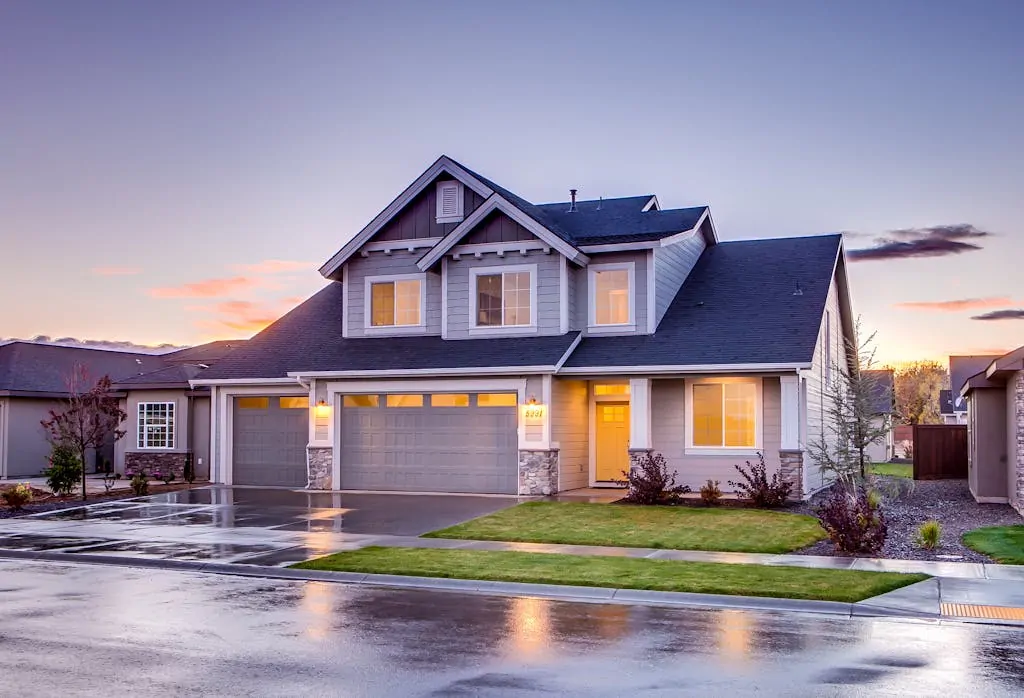
Most people wait too long. They say, “one day when the time is right.” But the truth is, the right time to plan your first home buy is now, even if the move is years away. A home is more than a roof. It is a base for your life, a safe spot for your family, and one of the best ways to grow real worth over time.
This guide breaks down each step in a clear and real way. No fluff. No big hard words. Just what a real home buyer needs to know, from day one to the day the keys are in hand.
1. Know Your Why
Before any step, get clear on the real reason for buying a home. This sounds soft, but it is one of the most key parts of the whole path. People who know their “why” make far better moves than those who rush in just due to peer push or fear.
Ask: Is the goal to give kids a stable home? To stop paying rent that builds no worth? To have a safe, calm place to grow old in? Each reason leads to a different type of home, in a different area, at a different price point.
A clear why also keeps a buyer on track when times get hard. And they will get hard. There will be a deal that falls through. A home that gets sold to someone else. A bank that says no the first time. The why is what keeps the goal alive.
Real case: Many first time home buyers in the UK who took part in a 2019 study said that those with a clear and written goal were 40% more likely to close a deal in their first try. That is not a small gap.
Take 20 mins. Sit down. Write the real reason on paper. Keep it short. Read it when things feel hard. This step costs zero money but pays back a lot.
2. Check Your Money Now
The first real step with money is to look at the full, raw truth of your cash life. Not what feels true. What is true on paper. This means looking at all the money that comes in, all that goes out, and what is left each month.
Most people have no real idea where their money goes. A 2022 report from the US found that over 60% of adults could not name their three biggest monthly costs. This is a big problem when trying to buy a home. A home buy needs a buyer to know exact numbers, not rough ones.
Pull out the last three months of bank records. Write every cost in one list. Put each cost in a group: food, rent, fun, car, bills, and so on. Add up each group. Now look at what is left. This is the “save gap” each month.
This step also helps find waste. Most people find at least one or two costs each month that add no real value. A gym that is not used. A plan that is too high for what one needs. A food order habit that adds up fast.
Know this: the state of a person’s money is not a life sentence. It is a start point. And a start point can be changed. But only if one knows where the start is.
3. Set a Real Home Budget
A home budget is not just the price of the home. This is where so many first time buyers go wrong. They see a home at a price they can just reach and think “that works.” But the true cost of a home is much more.
Add up these real costs:
- Down pay: The cash put in up front. More on this soon.
- Close costs: These can be 2 to 5% of the home price. This covers legal fees, title work, and more.
- Move cost: Packing, vans, new locks, small fixes in the new place.
- First year bills: Home tax, home care plan, and basic upkeep.
- Fix fund: Even a good home will need work in year one. Plan for it.
A safe rule used by many home plan guides is: do not spend more than 28% of gross pay per month on home costs. This is called the front end ratio. It keeps a buyer safe from being “home poor,” which means owning a home but having no cash for life.
In real terms, if a person earns 4,000 a month before tax, the max home cost per month should be about 1,120. Work back from that to find a safe home price.
Write the budget on paper. Make it real. Do not guess. This step is what sets apart those who buy smart from those who buy and then stress for years.
4. Save for the Down Pay
The down pay is the big wall most first time buyers face. But it is not as high as most fear, and it can be reached with the right plan.
A down pay is the cash a buyer puts in on day one. It is a share of the home price. In many places, this is 10 to 20% of the full price. So on a 200,000 home, that is 20,000 to 40,000 in cash.
Yes, that is a lot. But here is the key: this is not a number to save in one big push. It is a number to build in small steps over time.
Set a save goal for each month. If the target is 30,000 and the plan is to buy in 5 years, that is 500 per month. If that is too much, stretch the plan to 6 or 7 years. Or find ways to earn more. Or cut costs to free up more each month.
Open a save fund just for the home. Give it a name. Do not mix it with the daily fund. Move a set cash amount each month, the same day, right after pay day. This is called “pay self first” and it is one of the most proven save tools in the world.
Many first home buyers also get help. Some from family. Some from local plans made to help first buyers. These can cut the time to save by years. Look into what is on offer in your area.
5. Build Your Credit Score
Credit score is one of the most used tools a bank or fund plan uses to say yes or no. A high score opens more doors and often leads to better deal terms. A low score can mean a no, or a deal with very bad terms.
A credit score is made up of a few key things:
- How well bills are paid on time
- How much of the total credit line is used
- How long the credit life has been
- How many new credit asks have been made
The best and most simple way to lift a score is to pay every bill on time, every time. Late pays are the single biggest harm to a score. Set up auto pay for any bill that can be set that way.
Next, keep use of credit low. If the limit is 5,000, try to keep the used amount below 1,500. This is a 30% use rate. Most plan guides say to stay at or under this level.
Also, do not open many new credit lines all at once. Each ask for credit leaves a mark that can lower a score for a short time.
A real case: A buyer in Canada had a score of 620, which was too low to get a good home plan. Over 18 months, by paying on time and cutting use, the score rose to 720. That jump led to a much better plan term, which saved a big sum over the life of the deal.
Start now. A score takes time to build. But each good move adds up.
6. Learn the Local Area
A home is not just a building. It is a place in a world. The area around a home will shape the life of a buyer far more than most think. Good areas go up in worth over time. Bad areas can go down. And worth is just one part of the story.
Think about:
- How safe the area is
- How close it is to work, school, and key shops
- What the plan is for the area in the next 5 to 10 years
- What the trend in home price has been in the past 3 to 5 years
- What the people in the area are like
Walk the area at diff times of day. Go on a week day. Go on a night. Go on a week end. Each time tells a diff story. Talk to people who live there. Ask what they love and what they wish was diff.
Look at local news. Are new shops and cafes coming in? That is often a sign of a growing area. Are old shops closing? That may be a sign of a diff trend.
A well known rule in home buy circles is: buy the worst home in the best area, not the best home in a bad area. A home can be fixed. An area is much harder to change.
Use free tools like local maps, school rate sites, and city plan docs to get a full view of any area on the short list.
7. Pick the Right Home Type
Not all homes are the same, and not all home types fit all life styles. One big mistake first time buyers make is to fall in love with one type of home before they have done the work to know which type fits their real needs.
The main home types are:
- House: A stand alone unit. More space. More upkeep. More cost.
- Flat or unit: Part of a big block. Less space. Often less cost. May have body corp fees.
- Town home: A mix of both. Shared walls but own yard in some cases.
- Old build: Charm and size. May need more work and upkeep.
- New build: Clean and fresh. Less work at first. But can be in new, less grown areas.
Each type has its own cost, its own set of work, and its own feel of life in it.
A single buyer with no kids may love a flat near the city. A family with three kids may need a house with a yard and space to grow. A work from home buyer may need a spare room to use as an office.
List the must haves. Then list the nice to haves. Then list the hard no list. This three list plan helps a buyer stay on track when looking at homes and not get swept away by feel.
Also think about the long view. Will this home still fit life in 5 or 10 years? If kids are planned, is there room? If aging is a worry, is there a way to live in the home as one gets older?
8. Find a Good Agent
A home buy is one of the biggest moves of a life, and having the right person to guide it makes a real diff. A good agent is not just someone who shows homes. They are a guide, a deal maker, a local expert, and a calm voice when stress is high.
But not all agents are the same. Here is how to find a good one:
- Ask for names from people who have bought homes in the same area
- Look at past deals and how long homes took to close
- Check if they work mostly with buyers or with sellers
- Ask how many deals they do each year
- Find one who listens and does not rush
A good agent will know the area like the back of their hand. They will know which streets to avoid, which ones are on the rise, and who the key players in the local market are.
One real test: ask the agent what they think you should NOT do. A good one will give real, clear, honest input. One who just says yes to all may be more keen on the sale than on the buyer’s best move.
Many first time buyers do not know that in most places, the seller pays the agent fees. This means the buyer gets the help at no cost. Use it.
A case from a first time buyer in the US: the buyer tried to go it alone at first to save. After two failed deals, they hired an agent. The next deal closed in 45 days. The agent found a flaw in the deal that saved the buyer from a very bad buy. The fee paid itself back many times over.
9. Start the Home Search
Now comes the part most people think of first, but it is best done after all the steps above are in place. When the budget is set, the area is known, and the home type list is made, the search can begin in a smart and focused way.
Start with online tools. Most areas have sites where all homes for sale are listed. Set up a search with the key filters: area, price range, home type, min rooms. Save the search and get alerts when new homes hit the market.
Do not wait to look. The best homes go fast. In hot areas, a home can be under offer in hours. Set up the plan so that when a good one comes up, it is easy to move fast.
When going to view a home, bring a list of things to check:
- Walls, floors, roof
- Water flow in all taps
- Signs of damp or mold
- The age of the hot water unit
- The state of the doors and locks
- The feel of the light in each room
Take notes and photos at each home. After seeing five or six homes, they all start to look the same in the mind. Notes help keep each one clear.
Also keep the feel in check. It is easy to fall in love with a home that is just styled well. Ask the hard questions. Look past the nice paint and the fresh flowers. Think about the bones of the place.
10. Make a Smart Offer
The offer is where the deal is made or lost. A low offer can end a deal before it starts. A high one can leave money on the table. The right offer takes skill, data, and calm.
Look at what other homes in the same area have sold for in the last six months. This is called “comp data.” It gives a clear view of what the market says a home is worth.
Factors that can allow a lower offer:
- The home has been on the market a long time
- It needs clear and major work
- The seller has already moved out and is eager to close
- The area has more homes for sale than buyers
Factors that may push an offer up:
- The area is hot and homes move fast
- There are many offers on the same home
- The home is in rare, top shape
Work with the agent to build the offer. The offer is not just a price. It also has terms: when to close, what stays with the home, what checks will be done.
Do not let feeling drive the offer. Stay in the budget. If the deal does not work at the right price, the right home is still out there.
Keep cool. Sellers are people too. A well written, clear, and fair offer goes a long way.
11. Do the Home Check
A home check is not a nice to have. It is a must. This step is where a trained eye looks at every part of the home and tells the buyer what is good, what is not, and what may cost money in the near term.
A good check looks at:
- The roof and all that is on it
- The base and walls for cracks or shift
- The wires and all the power lines
- The pipes and drain lines
- The heat and cool systems
- The walls and floors for damp, mold, or bugs
The check costs money, but it can save a lot more. A roof that looks fine from the street may have five more years in it at most. A base crack may need a fix that costs tens of thousands. Knowing this before the deal is done gives the buyer power.
After the check, the buyer can:
- Ask the seller to fix key items
- Ask for a lower price to cover the fix cost
- Walk away if the home has too many big issues
Many first time buyers skip this step to save time or seem easy to work with. This is a big and real mistake. The short term ease is not worth the long term risk.
A true case: A buyer in New South Wales in Australia bought a home and skipped the check. Within six months, they found major pipe issues under the floor. The fix cost was 28,000. A check would have cost 500 to 700 and would have caught the issue.
12. Read All the Papers
The day a buyer signs the final docs is one of the most key days of the whole path. It is also one of the most dense and confusing. But it must not be rushed or skipped over.
The close papers cover:
- The full terms of the sale
- The plan for the move of the title
- All fees and their breakdown
- The date the home moves to the buyer
Read every line. Ask about every word that is not clear. A legal aid or a home advisor can help a buyer go through the key docs. This is not a time to trust that all is fine and just sign.
Also check that all the terms match what was agreed. If a fix was to be done by the seller, is that in the close doc? If an item was to stay in the home, is it on the list?
Close costs can be a shock if not planned for. These fees cover legal work, title search, and state fees. In most cases, this is 2 to 5% of the home price. On a 250,000 home, that is 5,000 to 12,500 in extra cost on close day.
Have all the cash in place and ready. Many close deals fall through on the last day due to fund issues that were not planned for early.
Stay calm. Take time. This is a big moment. Own it.
13. Move in and Care for Your Home
The key is not just to sign the deal. The key is to care for what has been built. A home is a living thing. It needs care, love, and plan.
In the first week:
- Change all the locks
- Test all smoke and gas alerts
- Find where the main water off is
- Meet the close neighbors
- Do a full walk and note any small items to fix
Set up a home care plan. Each month, put a small sum into a fund just for home fixes. A safe rule is 1 to 2% of the home value each year. On a 200,000 home, that is 2,000 to 4,000 per year, or about 160 to 330 per month.
Care for the home not just to keep its worth, but to keep it as a safe and warm place to live. A home that is loved lasts longer and costs less in the long run.
Also, do not rush to fill the home with new things. Many first time buyers go into debt fast by buying all new goods in the first year. Move in with what is owned. Add over time. Let the home grow with life, not with debt.
A home is also a base for memory. The first home is one that will be recalled for life. Make it a good one by being a wise and calm owner from day one.
FAQ
How much do first time buyers need to save before they start?
There is no one set sum for all. But a smart plan is to have at least 10 to 20% of the home price as a down pay, plus an extra 5% for close cost and move costs. So on a 200,000 home, aim for 30,000 to 50,000 total in cash before the move.
How long does the home buy path take from start to close?
From the first save step to the day keys are in hand, most first time buyers take 2 to 5 years. The close part, from offer to sign, takes 30 to 90 days in most cases.
Is it best to buy a new home or an old one?
Both have good and bad sides. New homes need less work at first and are often more energy smart. Old homes may have more space and charm but may need more care. The right pick depends on the budget, the life style, and the area.
What is the most common mistake first time buyers make?
The most seen mistake is not knowing the full cost of a home buy. Buyers see the price but forget the close cost, the fix fund, and the first year bills. Plan for all of it, not just the price tag.
Can a home be bought with a small income?
Yes, but it takes more time and a clear plan. The key is to keep the budget tight, save with care, and look in areas where home prices are lower. Some local plans also help first time buyers with extra help or grant plans.
Conclusion
Buying a first home is one of the most big and real moves a person can make. It takes time, plan, and a lot of care. But with the right steps, it is a goal that is fully within reach for most people who are willing to put in the work.
The 13 steps in this guide are not just a list. They are a path. Each one builds on the last. Each one gets a buyer closer to the day the key is in hand and the door opens to a home that is truly theirs.
The most key thing to take away is this: start now. Not next year. Not when the time feels right. Now. Even if the move is five years out, the plan starts today with a clear why, a real look at the money, and a first save goal.
A home built on a smart plan and real work is one that will stand as a base for life for years to come. It brings calm, roots, and a deep sense of what it means to have built something real.
Go step by step. Stay on the path. The home is waiting.