10 Ways to Teach Kids About Money
Most kids grow up and have no idea how to save, spend, or plan with money. That is not their fault. Nobody sat with them and showed them how. The home is the best place to learn real money skills. Not a book. Not a class. The home.
This guide is for every parent who wants to raise a child that is smart with money. Not just rich, but wise. These 10 ways are simple, real, and they work. Read each one slow and use it with your child this week.
1. Start With Cash, Not Cards
Cash is the best tool for kids to learn money. When a child holds a note or coin, the money feels real. When the money is gone, it is gone. That is the lesson. Cards hide this truth. Kids who grow with cards do not feel the loss when money goes. They just tap and walk away.
Give your child a small sum each week. Let them hold it. Let them count it. Let them feel its weight. This simple act builds a real link in the brain between money and value. Research from the University of Cambridge shows that money habits in kids form by age seven. That is young. So start young.
A good way to begin is to take your child to the shop. Give them a set amount. Let them pick what to buy. If they want more than they have, do not give more. Let them feel that limit. It may hurt for a moment, but that small pain is the best teacher they will ever have. No lesson in a book can match the feel of an empty hand.
Real life case: In Japan, many schools run a system where kids manage fake shops and earn play money. But they treat it like real life. The result is that Japanese adults save more than most countries in the world. The habit starts young and stays long.
2. Use a Clear Jar, Not a Bank
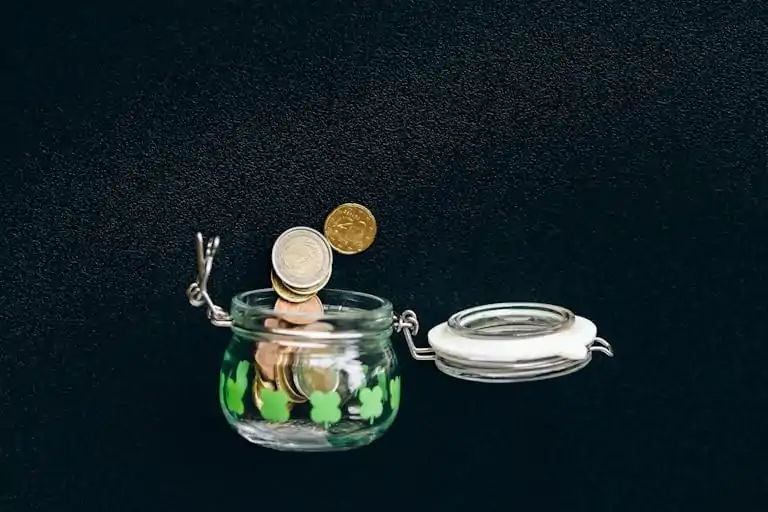
A clear jar lets the child see money grow. A piggy bank hides the money. A jar shows it. When a child puts in a coin and sees the pile grow, the brain gets a reward. That reward makes them want to save more. This is a real behavioral fact, not just a trick.
Set up three jars. Label them: Save, Spend, Give. Each time the child gets money, they split it into the three jars. This teaches that money has more than one job. It is not just to spend. It is to grow and to help others too.
The “Save, Spend, Give” method has roots in old wisdom. Many faith based and ethical money systems teach that wealth should move, not just sit. When a child puts coins in the “Give” jar, they learn that money can do good in the world, not just buy things for the self. That is a life lesson.
Warren Buffett, one of the most well known names in finance, said he wish he had learned to save at a much younger age. He saved his first coins as a very small boy and never lost that habit. The jar is where that habit starts.
3. Let Them Earn, Not Just Get
Money that is earned feels more real than money that is given. When a child just gets an amount for no work, they do not value it. But when they sweep the yard or wash the car and then get paid, they feel the link between work and money. That link is key.
Set up small tasks at home that come with a small pay. Not all tasks, some tasks are just part of being in the family with no pay. But some extra ones can come with a small wage. This gives the child a taste of how the real world works.
This method also builds self-worth. A child who earns their own money feels able and proud. That pride is a seed. It grows into drive and into the will to work hard in adult life. Many adults who grew up in homes that paid for chores say they felt more ready for the work world than those who did not.
A study by the University of Minnesota found that kids who did regular home tasks grew into more able adults. They held jobs, kept up with bills, and felt more in control of their lives. The task is not just about money. It is about building a child who can stand on their own feet.
4. Talk About Money Out Loud
Most homes treat money as a secret. Adults talk about it in code or not at all. Kids pick up on this silence. They learn that money is a topic that makes grown ups tense or quiet. That fear or shame gets passed on without a single word being said.
Break that cycle. Talk about money at the table. Not in a way that scares the child, but in a calm and open way. When you go to the store, say out loud, “This costs too much for this week, we will wait.” That one line teaches a full lesson with no lecture needed.
In Germany, many families talk about the home budget at the table each month. Kids hear words like “we set aside this for bills” and “this is what we have to spend on fun.” These kids grow up with a calm and clear view of money. Not fear. Not greed. Just facts.
The goal is to raise a child who can talk about money with no shame and no fear. That kind of adult can ask for a raise, say no to bad deals, and plan for hard times with a calm head.
5. Show the Real Cost of Things
Kids think food just comes from the fridge and that the fridge just fills up on its own. They do not see the work and money that goes into a full fridge. Show them the cost of daily life. This is one of the most powerful things a parent can do.
Take the child to the shop and let them help pick items. Show them the price tags. Let them add up the total in their head. When the bill comes, let them see it. This is not to stress them out. It is to ground them in the real world.
One simple way to do this is the “bill game.” Once a month, sit down and look at the water bill, the food bill, the phone bill. Not in a sad way, but in a calm, clear way. Say, “This is what it costs to run our home.” Kids who see this grow up knowing that money has to be planned, not just spent.
This method also builds deep respect for the parents work. When a child sees that dad or mom works many hours just to pay for the home and food, they feel real respect. That respect is the root of a grateful heart, and a grateful child grows into a generous adult.
6. Teach the Difference: Want vs Need
This is one of the most core money skills that even most adults lack. A need is food, a safe home, clean water, warm clothes. A want is a new toy, a sweet, a new phone. The line seems easy but in real life it blurs fast.
Play a game with your child. Name things and ask them: want or need? Milk? Need. New game? Want. Shoes? Need. Brand new shoes when the old ones still work? Want. This game is fun and it builds a muscle in the brain that they will use for life.
The key is to not shame the want. Wants are fine. But they must come after the needs are met and some is saved. “Save first, spend what is left” is the golden rule of good money habits. Many adult money problems come from doing this in reverse.
In the US, studies show that most people spend on wants first and hope the needs will sort out. That is why so many families live from one pay day to the next with no buffer. A child who learns want vs need early will not live that kind of tight life.
7. Set a Small Goal Together
Goals make saving feel real. A child who saves with no goal in mind will give up fast. But a child who saves for a toy they love will check the jar every day and feel pride as it grows. The goal is the fuel.
Sit with your child and ask them what they want most. Then work out how long it will take to save for it with their weekly amount. Write the goal on a card and put it near the jar. Draw a small chart and color it in as the savings grow.
This is the same method that top budget coaches use with adults. It is called “goal based saving.” It works because the brain needs a clear end point. Without one, saving feels like a loss with no gain. With a goal, every saved coin is a step toward something good.
When the child reaches the goal and buys the item with their own saved money, that moment is huge. The joy of buying with earned and saved money is far greater than the joy of getting something for free. That joy is a lesson they will never forget.
8. Use Games to Teach Real Skills
Play is how kids learn best. Money games that feel fun can teach complex ideas with no stress. Board games like Monopoly or The Game of Life have been used for decades to teach kids about buying, renting, risk, and planning. They are not just fun. They are tools.
There are also many simple card and dice games that teach counting, trade, and value. Even a game as simple as a home shop where the child plays seller and buyer can build huge skills. Set up a small shop in the living room with items from around the house. Give each item a price. Give the child coins. Let them shop.
The child learns to count change, to pick what to buy with a set amount, and to think before they spend. These micro lessons add up to a big money mindset over time. And because it was fun, the brain keeps the lesson.
Research in play-based learning shows that kids retain up to 75% more when they learn through play than when they sit and listen. So skip the lecture. Set up the shop. Deal the cards. Roll the dice. Let the game do the work.
9. Teach That Giving Is Part of Wealth
A child who only learns to save and spend is only half ready for life. The other half is giving. Many great money thinkers throughout history have said that those who give tend to have more. Not as a magic trick, but as a habit of mind. A giver thinks about others. A giver builds bonds. A giver earns trust.
Set up the “Give” jar from day one. When it gets full, help the child decide where to give. It could be to a neighbour in need, to a local cause, to someone at school who needs help. Let the child give with their own hand. That act plants a seed of care that grows for life.
Many ethical money frameworks across cultures say that a fixed part of what one earns should go back to the community. This is not just a moral act. It is a practical one. A person who gives often finds that their own needs are met in return through the trust and goodwill they build.
History is full of people who gave much and built great things. Andrew Carnegie gave away most of his wealth and is known more for his giving than for his earning. Teach your child that money is a tool, not a goal. And one of its best uses is to lift others up.
10. Be the Model They Watch
Kids do not do what you say. They do what you do. If a parent talks about saving but buys on impulse every week, the child sees the real lesson. And that is the lesson they take to adult life. The words are noise. The acts are the real teacher.
Look at your own money habits. Do you save before you spend? Do you plan before you buy? Do you stay calm when money is tight? Do you talk about money with care and thought? If yes, your child is learning all of this just by watching you.
One of the best things a parent can do is let the child see them plan. Sit down once a month and plan the home money out loud with the child nearby. Let them see the notes, the list, the plan. Say out loud, “This week we will not eat out so we can save for the trip next month.” That one act teaches delayed joy, planning, and value all at once.
The mirror effect in child growth is well studied. Kids who grow up in homes where adults model good money habits are far more likely to be stable, calm, and wise with money as adults. You are the first and most powerful money teacher your child will ever have. Use that role with care.
FAQ
At what age should money teaching start?
Start as early as age three or four. Use coins, jars, and simple games. The brain at this age is like a sponge. Even the smallest lessons leave a mark. By age six or seven, children can understand saving and spending in a basic way.
How much should kids get each week?
There is no fixed rule. Many parents link it to age. If the child is seven, give seven units of local money each week. Adjust as they grow. The amount matters less than the habit of getting, splitting, and planning it each week.
What if the child spends all the money fast?
Let them. Do not rescue them. When the money is gone and they want more, say calmly, “Next week.” That empty feeling is the best lesson. Over time, they will learn to slow down and plan. Rescue too soon and the lesson is lost.
How do you teach kids about saving without making them afraid of spending?
Use the three jar method. Save, Spend, Give. This shows that spending is fine as long as saving and giving are also part of the plan. The goal is balance, not fear. A child who is too scared to spend grows into an adult who cannot enjoy life or share wealth.
What if the family does not have much money to teach with?
The amount does not matter. Even tiny amounts teach the same skills. The lesson is in the habit, not the sum. A child who learns to plan ten units of money will grow into an adult who can plan ten thousand with the same calm and care.
Conclusion
Money skills are life skills. A child who learns early how to earn, save, plan, give, and spend with care will face adult life with a calm head and a strong hand. These ten ways are not hard. They do not cost much. They just take time and intent.
Start with one. Pick the jar. Or the game. Or the talk at the table. Do it this week. Do it again next week. Over months and years, these small acts build a child who is ready for the real world.
The goal is not to raise a child who is rich. The goal is to raise a child who is wise. A wise person with small money lives better than a lost person with much money. Teach them the wisdom. The rest will follow.
Money does not have to be a source of fear or shame in the home. It can be a topic of calm, clear, open talk. It can be a tool for good. And the best time to teach that truth is now, while the child is young, open, and watching your every move.