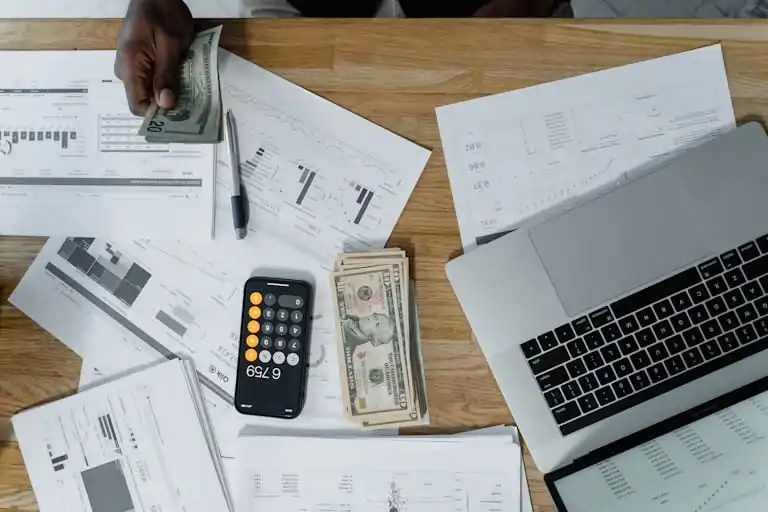
18 Simple Money Hacks That Add Up Fast

Most people work hard. They earn good pay. But at the end of each month, the cash is gone. No one plans to be broke. It just sort of happens, one small bad choice at a time. A cup of tea here, a fast meal there, a sale that felt like a deal but was not.
The gap between those who save and those who don’t is not big income. It is small habits done each day. This guide is for the real person who wants to fix that. Not with big cuts or harsh rules, but with easy, smart, and doable ways that add up over time.
These 18 simple money hacks are not magic. They are just real steps that work when done with care. Start one today. Then add more.
1. Write Down Each Cost
Every coin that goes out of the hand must have a name. This is the root of all good money care. Most people do not know where their cash goes.
They feel like they spend less, but the bank says more. That gap is what kills a budget. When one writes down each cost, even the small ones like a park snack or a bus card top-up, the full truth comes out. Research from Duke University shows that just the act of writing costs down reduces wasteful spending by up to 15% in the first month. It does not take a fancy app.
A small note pad works fine. At the start of each day, write what was spent. At the end of the week, look at the full list. Patterns will show up fast, like coffee three times a day or a habit of buying things that were not on any list. These small things, when added up, often equal a full day’s wage gone with no real gain. Once the truth is seen, change becomes easy.
The mind can’t ignore what the eye sees on paper. This is the first hack because without it, none of the others work as well. It is the base of the whole plan.
2. Pay Self First
Before any bill, any meal, any fun cost, put a set part of each pay into a safe place.
This idea was made well known by George Clason in his book “The Richest Man in Babylon.” He called it “paying yourself first.” The core idea is simple: treat your own savings like a bill that must be paid. Not what’s left after all else. Not if there is time or money.
First. Always first. Even if it’s just 5% of pay. Even if it’s a small sum. The habit is what counts. When this is done with no thought, no choice in the moment, no “I will save what’s left,” the money builds. It is taken out before the hand can spend it. Many banks allow auto-transfers on payday.
Set it up once and forget it. The mind adjusts to what it has. If less is seen in the main account, less will be spent. This is not a trick. It is how the brain works. Over one year, even a small set amount can grow into a real safety net. Over five years, it can be life-changing.
3. Kill One Bad Habit
Each person has one or two small daily costs that feel fine but add up to a lot. It might be a sweet drink on the way to work. It might be a fast food lunch when a packed meal was possible.
It might be online games or app buys that never get used. Pick just one. Look at how much it costs in a week. Then in a month. Then in a year. The math often shocks people. A drink that costs two hundred rupees a day is over seventy thousand rupees a year. That is a real trip. That is school fees. That is a new phone without any debt. The goal is not to stop all joy.
The goal is to see the true cost of just one bad habit and cut it. Replace it with something free or very low cost. A glass of home-made drink. A meal prepped at home. A walk in the park. The joy stays. The cost goes. This one change alone can shift a budget by a surprising amount.
4. Shop With A List
Going to a shop with no list is like going on a trip with no map.
The destination gets lost, and extra costs get added at every turn. Stores are built to make buyers spend more. The lay out, the bright lights, the sale signs all push the mind toward more, not less. A list is a shield. It keeps the eye on what is needed and the hand away from what is not. Before any shop trip, write the list at home when the mind is calm and the belly is full.
Never shop when hungry. Studies from Cornell University confirm that people who shop hungry spend up to 60% more than those who shop on a full stomach.
Take the list and stick to it. No extra items. No “oh this looks good” adds.
The small wins of each good shop trip build over the month into real savings. This is simple but very powerful.
5. Use The 24-Hour Rule
Impulse buys are the silent killers of a budget. They come fast, feel urgent, and then sit unused in a drawer. The 24-hour rule is the cure. When an urge to buy something unplanned shows up, wait one full day. Write down the item and the price.
Come back the next day and ask: do these hands still want it? Is it a need or just a want that felt big in the moment? Most of the time the urge is gone. The item is forgotten. The money stays safe. This rule works best for any non-urgent buy above a set price, like five hundred rupees or more. It gives the mind a cooling period. It separates real need from feeling-based want.
For online shops, the trick is to add to the cart and close the tab. If the urge is still there the next day, the item can still be bought. But most of the time, the urge fades. Over a month, this single rule can stop many wasteful buys and free up real cash.
6. Cook More At Home
Food is one of the top three areas where money is lost each month. Eating out feels easy and fast, but the cost is very high when compared to a home-cooked meal. A meal for four at a local diner might cost two thousand rupees or more. The same meal cooked at home often costs three to four times less. And it can be made in large batches to cover two or three meals.
Batch cooking on weekends is a well known hack used by busy families around the world. Cook a big pot of lentils, rice, or a simple stew. Portion it out and store for the week.
This cuts daily cooking time and removes the urge to order in when tired after work. It also often leads to better health, which reduces medical costs in the long run.
A simple rule is: cook at home at least five days a week. Let the two remaining days be for an outing or a treat meal. This mix keeps the joy of eating out while cutting the cost by a wide margin.
7. Cancel What Is Not Used
Most people pay for subscriptions they forgot about. A streaming service. A gym plan. An app subscription. A meal kit.
These auto-renewals come out each month like quiet drains in a pipe. They are rarely seen in day-to-day life, but they cost real money. Take one hour this week to look at every bank or card statement from the past three months. List all recurring charges.
Then ask for each one: has this been used in the last thirty days? If the answer is no, cancel it that same day. Many people find they save thousands of rupees per month with this one exercise. It takes time once and saves money forever, or until a new subscription starts. Set a calendar reminder every three months to do this check again. New auto-charges sneak in often. Stay aware and stay sharp about where money flows out quietly in the background.
8. Build A Small Cash Buffer
Life hits hard when there is no cushion. A broken phone. A health check. A car repair. A sudden trip for a family event. Without a small cash buffer, these moments send people into panic and debt. A buffer of even ten to fifteen thousand rupees kept in a separate account changes the entire feel of money. It is not for fun. It is for the unexpected.
Start small. Even a few hundred rupees per week adds up. Name this account “buffer” or “peace fund.” When a surprise cost hits, use this money, not a loan. Then refill the buffer as fast as possible. Over time, aim to grow this buffer to cover one full month of basic costs. This step removes a huge amount of money stress from daily life. Research in behavioral economics shows that even a small reserve fund of a few hundred dollars reduces anxiety and improves decision-making in other areas of life. Peace of mind is worth more than many people realise.
9. Avoid The “Sale” Trap
A sale is not a saving. It is a spend. This idea is hard for many to accept because the brain is wired to feel pleasure when it gets a deal. But if the item was never on the shopping plan, buying it at half price still costs money. In fact, sales are one of the main ways stores get people to buy things they did not want. The bright red “50% OFF” tag is designed to trigger a fear of missing out.
The best response to a sale is simple: ask if the item was planned. If no, walk away. If yes, check if the price is truly good and compare it before buying. Never buy more of something just because it is on sale unless it is a daily-use item with a long shelf life like rice, oil, or soap.
The rule: a good deal on something not needed is still a waste of money. Train the mind to see through the sale label and judge the item on its own merit.
10. Set A Weekly Money Date
Once a week, sit down alone or with a partner and look at the money.
Check what came in. Check what went out. Look at the budget for the coming week. This is called a money date, and it is one of the most powerful habits of people who stay on top of their finances. It does not take long. Thirty minutes is enough. Use this time to update the spending log, move money into savings if needed, and review any big buys coming up.
Couples who do this together report less money fights and more alignment in their spending choices. For single people, it is a solo moment of clarity that keeps the week on track. The key is to make it a habit. Same day. Same time. Each week. Over months, this practice builds a deep awareness of money flow that makes almost every other hack on this list easier to stick to. It turns money from a source of stress into something that is managed with calm and care.
11. Buy Used, Not New
New things lose value fast. A new phone drops in value the moment it leaves the shop. A new car loses a large part of its cost the day it is driven off the lot. The fix is simple: buy used when it makes sense. Books, clothes, tools, kitchen gear, and even electronics can often be found in very good shape at a fraction of the new price.
Platforms for used goods are now very common and easy to use. Buying used is not about being cheap. It is about being smart. The saved gap in price can go straight into savings or investments. For clothes, thrift stores and second-hand markets offer great quality at low cost.
For books, used copies are often just as good as new. For electronics, certified refurbished items come with checks and basic assurance. The mindset shift required is to stop seeing “used” as low status. Many wealthy people buy used because they care more about value than about looking new. It is a habit of the wise, not the poor.
12. Grow A Side Income
A budget can only be cut so far. At some point, the best way to improve money health is to earn more. A side income does not have to be big or take all the free time. It just has to exist. Teaching a skill to a neighbor. Selling home-made goods at a local market. Doing freelance design or writing. Offering repair services on weekends. Growing and selling produce from a small garden.
These are all real examples of extra income streams that regular people around the world use to boost their monthly cash. Even an extra five to ten thousand rupees a month changes the math of a budget entirely. It can fill the savings gap, pay off a debt faster, or fund a goal that feels far away. The key is to match the side income to a skill already owned. It should not cost a lot to start. Start small. Test it for a month. Grow it slowly. Many people find that what started as a small extra income becomes a full business over a few years.
13. Give Each Note A Job
The idea of “zero-based budgeting” is simple but very powerful. Every unit of income is assigned a job before it is spent. Bills, food, savings, fun, gifts, transport. Every area gets a set amount. What is left is zero because everything has been assigned a purpose.
This is not the same as being broke. It means every rupee is working. Nothing is floating with no direction. Dave Ramsey, a well known money teacher from the United States, has taught this to millions of people. His idea is that a plan for the money before it is spent removes the guesswork and the “where did it all go” feeling at the end of the month. This method works best when done at the start of each month, updated each week, and reviewed at month end. Over time it becomes very natural, like a reflex. The budget stops being a punishment and starts being a tool of power over the money situation.
14. Say No With Ease
One of the least-discussed money drains is social pressure. Weddings, events, group outings, gift-giving, lending to others who do not pay back. These costs are real, and they are often the hardest to say no to. But the ability to say “no, not this time” is one of the most valuable money skills a person can build. It is not rude to protect the budget. It is responsible.
Start by having a clear personal spending plan. When an invitation or request comes that does not fit the plan, the answer is easier because there is a reason for it. Practice saying: “Thank you, but this month the budget does not allow for it.” This is a full and kind answer. No long excuse needed. Over time, those around will understand and respect it. And the money saved by skipping events that were not truly wanted or valued adds up to a surprising total by year end.
15. Learn From One Rich Habit
The difference between those who have little and those who have more is often not luck. It is habit. Pick one habit from a person who manages money well and adopt it. It could be the habit of reading one finance book a year. It could be the habit of reviewing bank statements weekly. It could be meal prepping on Sundays. It could be waking up early to plan the day and the money before the noise of the world begins.
Warren Buffett, one of the most known wealth builders in history, reads for hours every day. He says most of what he knows came from books. That habit is free to copy. The local library has the same books. The same ideas. The goal is not to copy a life. It is to take one small habit and plant it in daily life. Let it grow. Then add another. Over years, these habits stack into a very different financial life from the one that was there before.
16. Track Net Worth Each Year
Net worth is total assets minus total debts. It is the clearest picture of true money health. Many people avoid looking at this number because it feels scary or shameful. But not knowing it is worse. Knowing the number, even if it is low or negative, gives a starting point. And a starting point means progress is possible. Once a year, sit down and list all that is owned: savings, any property, goods of value, and any small investments.
Then list all that is owed: any debts, dues, or pending costs. Subtract one from the other. That is the net worth. Write it down. Next year, do it again. The goal is for the number to move up over time, even slowly. This yearly check is one of the clearest signs of real financial progress. It is not about the size of the number today. It is about the direction it is moving. Up is good. Even a little up is progress worth celebrating.
17. Use Cash For Weak Spots
Every person has one or two areas where spending gets out of control. For some it is food. For others it is clothes or gifts or gadgets. Once the weak spot is known, switch to cash only for that category. Put a set amount of cash in an envelope at the start of the week. When the cash is gone, the spending in that area stops. No card. No digital tap.
No “I’ll make it up next week.” This system, often called the envelope method, was widely used before digital banking and is now seeing a big comeback. It works because physical cash feels real in a way that digital numbers do not. The pain of handing over actual notes is higher than swiping a card. This makes the spender more careful, more deliberate, and more aware. Over a month, most people using this system spend 15 to 25% less in their weak spot areas without any drastic change to lifestyle.
18. Review And Reset Each Month
At the end of every month, take a full look at how the budget went. Did the plan hold? Where did it break? What worked and what did not? This is not about guilt. It is about learning. Money management is a skill, and skills improve with feedback. Every month is a new chance to adjust. If food costs went over, look at why. Was it social events?
Busy weeks with no meal prep? If savings fell short, check what took priority instead. Then reset for the coming month with the new information. This review moment is where the growth happens. Most people skip it and just repeat the same month forever. Those who do the review get sharper over time. Their budgets get tighter and more real. Their savings grow faster. Their goals come closer. This habit, more than any single hack on this list, is what separates those who keep trying from those who give up. Do it every month without fail.
FAQ
Q: How much should one save each month?
A good rule is to save at least 10 to 20 percent of monthly income. If that feels too much, start with 5 percent and grow it over time. Even a small, fixed amount saved each month is better than waiting until more money comes in.
Q: What is the best first step for someone with no savings?
Start with a small buffer goal. Aim for five to ten thousand rupees in a separate account. Do not touch it unless a real emergency shows up. Once that is done, move to a bigger goal. One step at a time builds real habits.
Q: Is it okay to spend on fun while trying to save?
Yes. A budget that has no room for any joy does not last. Build a small “fun” amount into the plan each month. When the fun money is gone, the fun stops for that month. This keeps the budget alive and the person sane.
Q: How long before these habits show real results?
Most people see clear, measurable change within 60 to 90 days of sticking to even four or five of these hacks. A full year of consistent effort often results in a life that feels very different from where it started.
Q: What if the income is very low and there is no room to save?
Even then, writing down costs and cutting one bad habit is worth doing. It builds the skill of money awareness. When income grows, the habit is already there to catch the extra and put it to use.
Conclusion
Money is not magic. It is a tool. And like any tool, it works well when used with a plan, with care, and with small daily actions. The 18 hacks in this guide are not hard. Most cost nothing to start. They ask only for a change in how things are done, not in how much is earned. Write down costs. Pay self first. Cut the one bad habit.
Shop with a list. Wait 24 hours before buying. Cook more. Cancel what is not used. Build a small buffer. Skip the sale trap. Do the weekly money check. Buy used.
Grow a side income. Give each note a job. Say no when needed. Learn one rich habit. Track net worth once a year. Use cash in weak spots. Review and reset each month. These 18 steps, done with steady care, add up to something big. Not fast.
Not overnight. But real. True financial peace is not about being rich. It is about knowing where the money goes, having a plan, and feeling safe in the day to day. That is a life worth building. Start today. One hack at a time.