
How We Saved $11K in 10 Months (One Income!)
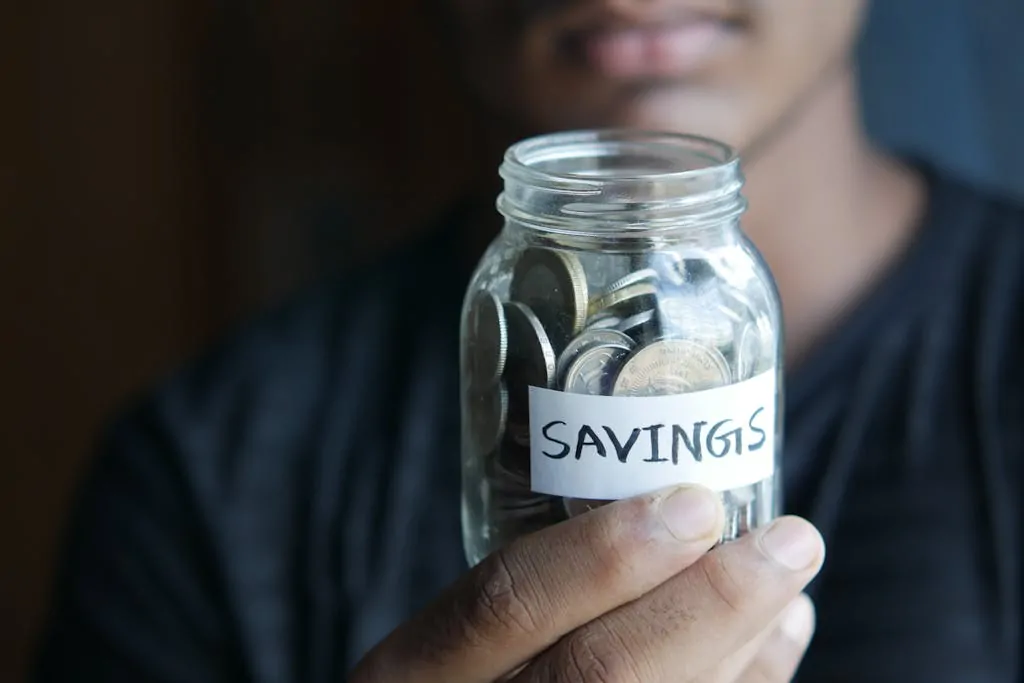
A single paycheck, rising living costs, and constant financial pressure can feel like an impossible equation. Yet many households quietly achieve what seems out of reach by reshaping habits, priorities, and mindset rather than relying on luck or sudden income boosts. This journey of saving $11,000 in just 10 months on one income is not about extreme deprivation. It is about clarity, discipline, and intentional choices that compound over time.
1. Clear Financial Vision
Every meaningful financial transformation begins with clarity of purpose.A single paycheck, rising living costs, and constant financial pressure can feel like an impossible equation. Yet many households quietly achieve what seems out of reach by reshaping habits, priorities, and mindset rather than relying on luck or sudden income boosts. This journey of saving $11,000 in just 10 months on one income is not about extreme deprivation. It is about clarity, discipline, and intentional choices that compound over time.
Meta description: Learn how one-income households can realistically save $11K in 10 months using practical budgeting, mindset shifts, expense control, and ethical financial habits that create long-term stability.
1. Clear Financial Vision
Every meaningful financial transformation begins with clarity of purpose. A single paycheck, rising living costs, and constant financial pressure can feel like an impossible equation. Yet many households quietly achieve what seems out of reach by reshaping habits, priorities, and mindset rather than relying on luck or sudden income boosts. This journey of saving $11,000 in just 10 months on one income is not about extreme deprivation. It is about clarity, discipline, and intentional choices that compound over time.
Meta description: Learn how one-income households can realistically save $11K in 10 months using practical budgeting, mindset shifts, expense control, and ethical financial habits that create long-term stability.
1. Clear Financial Vision
Every meaningful financial transformation begins with clarity of purpose. A single paycheck, rising living costs, and constant financial pressure can feel like an impossible equation. Yet many households quietly achieve what seems out of reach by reshaping habits, priorities, and mindset rather than relying on luck or sudden income boosts. This journey of saving $11,000 in just 10 months on one income is not about extreme deprivation. It is about clarity, discipline, and intentional choices that compound over time.
Meta description: Learn how one-income households can realistically save $11K in 10 months using practical budgeting, mindset shifts, expense control, and ethical financial habits that create long-term stability.
1. Clear Financial Vision
Every meaningful financial transformation begins with clarity of purpose. A single paycheck, rising living costs, and constant financial pressure can feel like an impossible equation. Yet many households quietly achieve what seems out of reach by reshaping habits, priorities, and mindset rather than relying on luck or sudden income boosts. This journey of saving $11,000 in just 10 months on one income is not about extreme deprivation. It is about clarity, discipline, and intentional choices that compound over time.
Meta description: Learn how one-income households can realistically save $11K in 10 months using practical budgeting, mindset shifts, expense control, and ethical financial habits that create long-term stability.
1. Clear Financial Vision
Every meaningful financial transformation begins with clarity of purpose. Saving money without a defined reason often leads to burnout, inconsistency, or impulsive spending. A clear vision creates emotional commitment, which is far more powerful than temporary motivation. In this case, the $11K target was tied to stability, emergency readiness, and future opportunities, not just numbers on a spreadsheet.
Behavioral research in Behavioral Economics shows that humans are more likely to follow through when goals are specific and emotionally meaningful. For example, families saving for education often outperform those saving “just in case.” This mirrors insights from Atomic Habits by James Clear, where identity and purpose drive consistent action.
Step by step, the process begins with defining a specific target such as “$11,000 in 10 months.” Break it into monthly and weekly milestones. Then connect it to a purpose like financial security or reduced stress. Write it down, place it somewhere visible, and revisit it weekly.
Real-world examples reinforce this. During the Great Depression, households that survived best often had strong purpose-driven saving behaviors rooted in necessity. In modern times, families facing uncertain job markets replicate similar patterns voluntarily.
Actionable takeaway:
- Define a clear amount and timeline
- Attach a meaningful reason
- Review progress weekly
- Celebrate small milestones to maintain momentum
2. One Income Strategy
Relying on a single income requires intentional allocation of every unit earned. Unlike dual-income households, there is less margin for error, which forces efficiency. This constraint can actually become a strength by eliminating wasteful habits early.
A useful framework is the priority-based spending model, where essentials come first, followed by savings, and finally discretionary spending. This aligns with principles discussed by Dave Ramsey, who emphasizes structured budgeting for financial control.
Historical patterns show that single-income households were the norm in many regions before the 1990s. Families in places like Japan and Germany developed strong budgeting cultures that prioritized savings before lifestyle expansion.
Step by step implementation includes:
- Calculate net monthly income
- Allocate fixed percentages to essentials, savings, and flexibility
- Automate savings immediately after income is received
- Adjust lifestyle to fit income rather than expanding expenses
A practical example involves reducing lifestyle inflation. Many households increase spending as income grows, but maintaining a stable lifestyle while income remains fixed ensures surplus cash flow.
Actionable takeaway:
- Treat savings as a non-negotiable expense
- Avoid lifestyle inflation
- Build a system where income flows with purpose
3. Ruthless Expense Audit
Most savings breakthroughs come not from earning more but from seeing clearly where money leaks occur. An expense audit reveals patterns that are often invisible during daily transactions.
Studies in Harvard Business School highlight that small recurring expenses create significant long-term impact due to compounding. Subscriptions, dining habits, and impulse purchases quietly erode financial progress.
Begin by tracking every expense for 30 days. Categorize spending into essentials, useful, and unnecessary. This method was used by many during the COVID-19 Pandemic when reduced mobility naturally lowered expenses and increased savings rates worldwide.
Real-life example: A household spending $5 daily on snacks unknowingly spends $150 monthly, totaling $1,500 in 10 months. Eliminating or reducing such habits contributes significantly toward an $11K goal.
Step by step approach:
- Review bank statements for 3 months
- Highlight recurring charges
- Identify emotional spending triggers
- Eliminate or reduce non-essential expenses
Actionable takeaway:
- Awareness precedes control
- Small savings accumulate into large results
- Replace unnecessary spending with intentional choices
4. Smart Grocery System
Food spending is one of the largest controllable expenses. A structured grocery strategy can save thousands without compromising health or satisfaction.
In many cultures, including Italy and India, traditional meal planning and home cooking reduce costs while maintaining quality. This contrasts with convenience-driven consumption patterns seen in urban environments.
The system includes weekly meal planning, bulk purchasing, and minimizing food waste. Behavioral insights show that shopping without a list increases spending by up to 20 percent.
Practical steps:
- Plan meals for the week
- Create a strict shopping list
- Buy staples in bulk
- Cook at home consistently
Example: Replacing frequent restaurant meals with home-cooked alternatives can save hundreds monthly. A family spending $300 on dining out can reduce it to $50, redirecting $250 toward savings.
Actionable takeaway:
- Food planning equals financial control
- Cooking skills directly impact savings
- Reduce waste to maximize value
5. Minimal Lifestyle Shift
A minimal lifestyle is not about deprivation. It is about intentional consumption. This shift plays a major role in achieving aggressive savings goals.
The philosophy aligns with ideas from Marie Kondo and her approach to keeping only what adds value. Financial minimalism applies the same logic to spending.
Historically, periods like post-war recovery in United Kingdom saw communities adopt minimal consumption habits out of necessity, leading to strong savings and rebuilding efforts.
Implementation steps:
- Declutter possessions
- Avoid impulse buying
- Focus on utility over status
- Delay purchases for 48 hours
Example: Instead of upgrading gadgets annually, extending usage cycles saves significant amounts. A skipped phone upgrade alone can save hundreds.
Actionable takeaway:
- Buy less but better
- Value utility over appearance
- Practice delayed gratification
6. Side Income Boost
Even with one primary income, small additional earnings can accelerate savings dramatically. This does not require high risk or complex strategies.
Platforms like Upwork and Fiverr have enabled individuals to monetize skills globally. From writing to tutoring, opportunities are widely accessible.
Historically, side income has always existed in forms such as crafts, tutoring, or trade work. Modern technology simply expands reach and efficiency.
Steps to begin:
- Identify existing skills
- Offer services locally or online
- Dedicate fixed hours weekly
- Direct all extra income into savings
Example: Earning an additional $200 monthly contributes $2,000 over 10 months, covering nearly 20 percent of the $11K goal.
Actionable takeaway:
- Small consistent earnings matter
- Skills can be monetized easily
- Additional income accelerates timelines
7. Automated Savings Habit
Automation removes decision fatigue and ensures consistency. Saving manually often leads to inconsistency due to competing priorities.
Banks and financial tools allow automatic transfers into savings accounts. This approach aligns with findings from The Psychology of Money by Morgan Housel, emphasizing behavior over knowledge.
Real-world application shows that individuals who automate savings are significantly more likely to achieve financial goals compared to those who rely on discipline alone.
Steps include:
- Set automatic transfers on payday
- Use separate accounts for savings
- Increase contributions gradually
Example: Automatically saving $275 weekly results in $11,000 over 10 months without requiring constant decision-making.
Actionable takeaway:
- Systems outperform willpower
- Consistency builds momentum
- Automation ensures discipline
8. Emotional Spending Control
Spending is often emotional rather than logical. Recognizing triggers such as stress, boredom, or social pressure is essential for long-term success.
Research in Psychology shows that emotional spending provides temporary relief but long-term regret. Awareness helps break this cycle.
Examples include retail therapy during stressful periods or overspending during celebrations. Historical patterns during economic uncertainty show increased emotional spending followed by financial strain.
Steps to manage:
- Identify triggers
- Replace spending with healthier alternatives
- Set strict spending boundaries
Example: Replacing shopping habits with activities like exercise or reading reduces unnecessary expenses.
Actionable takeaway:
- Emotions influence financial decisions
- Awareness leads to control
- Replace habits rather than suppress them
9. Community Influence
Environment shapes behavior. Surrounding influences can either support or hinder financial goals.
Social circles that prioritize consumption can pressure individuals into unnecessary spending. On the other hand, communities focused on financial discipline encourage saving habits.
Examples include cultural practices in Singapore where high savings rates are supported by societal norms and policies.
Steps to leverage environment:
- Engage with financially disciplined peers
- Follow educational content
- Limit exposure to consumer-driven messaging
Example: Joining online savings challenges creates accountability and motivation.
Actionable takeaway:
- Environment shapes decisions
- Choose influences wisely
- Build accountability systems
FAQ
How realistic is saving $11K on one income?
It is realistic with disciplined budgeting, expense control, and consistent savings. The key lies in aligning spending with priorities and eliminating waste.
What if income is very limited?
Focus on reducing expenses first, then explore small additional income opportunities. Even modest changes create meaningful progress over time.
How to stay motivated for 10 months?
Break goals into smaller milestones, track progress regularly, and celebrate achievements. Visual tracking tools can help maintain focus.
Conclusion
Saving $11,000 in 10 months on a single income is not about extreme sacrifice. It is about clarity, discipline, and intentional living. Each step, from defining a purpose to controlling expenses and building habits, contributes to a system that supports financial stability.
The journey highlights that financial success is less about how much is earned and more about how effectively it is managed. By adopting structured habits, mindful spending, and consistent saving, long-term security becomes achievable.
Sustainable financial practices lead to more than just savings. They create peace of mind, resilience, and freedom to make better life choices. The path requires effort, but the outcome offers stability and a sense of control that extends far beyond money. without a defined reason often leads to burnout, inconsistency, or impulsive spending. A clear vision creates emotional commitment, which is far more powerful than temporary motivation. In this case, the $11K target was tied to stability, emergency readiness, and future opportunities, not just numbers on a spreadsheet.
Behavioral research in Behavioral Economics shows that humans are more likely to follow through when goals are specific and emotionally meaningful. For example, families saving for education often outperform those saving “just in case.” This mirrors insights from Atomic Habits by James Clear, where identity and purpose drive consistent action.
Step by step, the process begins with defining a specific target such as “$11,000 in 10 months.” Break it into monthly and weekly milestones. Then connect it to a purpose like financial security or reduced stress. Write it down, place it somewhere visible, and revisit it weekly.
Real-world examples reinforce this. During the Great Depression, households that survived best often had strong purpose-driven saving behaviors rooted in necessity. In modern times, families facing uncertain job markets replicate similar patterns voluntarily.
Actionable takeaway:
- Define a clear amount and timeline
- Attach a meaningful reason
- Review progress weekly
- Celebrate small milestones to maintain momentum
2. One Income Strategy
Relying on a single income requires intentional allocation of every unit earned. Unlike dual-income households, there is less margin for error, which forces efficiency. This constraint can actually become a strength by eliminating wasteful habits early.
A useful framework is the priority-based spending model, where essentials come first, followed by savings, and finally discretionary spending. This aligns with principles discussed by Dave Ramsey, who emphasizes structured budgeting for financial control.
Historical patterns show that single-income households were the norm in many regions before the 1990s. Families in places like Japan and Germany developed strong budgeting cultures that prioritized savings before lifestyle expansion.
Step by step implementation includes:
- Calculate net monthly income
- Allocate fixed percentages to essentials, savings, and flexibility
- Automate savings immediately after income is received
- Adjust lifestyle to fit income rather than expanding expenses
A practical example involves reducing lifestyle inflation. Many households increase spending as income grows, but maintaining a stable lifestyle while income remains fixed ensures surplus cash flow.
Actionable takeaway:
- Treat savings as a non-negotiable expense
- Avoid lifestyle inflation
- Build a system where income flows with purpose
3. Ruthless Expense Audit
Most savings breakthroughs come not from earning more but from seeing clearly where money leaks occur. An expense audit reveals patterns that are often invisible during daily transactions.
Studies in Harvard Business School highlight that small recurring expenses create significant long-term impact due to compounding. Subscriptions, dining habits, and impulse purchases quietly erode financial progress.
Begin by tracking every expense for 30 days. Categorize spending into essentials, useful, and unnecessary. This method was used by many during the COVID-19 Pandemic when reduced mobility naturally lowered expenses and increased savings rates worldwide.
Real-life example: A household spending $5 daily on snacks unknowingly spends $150 monthly, totaling $1,500 in 10 months. Eliminating or reducing such habits contributes significantly toward an $11K goal.
Step by step approach:
- Review bank statements for 3 months
- Highlight recurring charges
- Identify emotional spending triggers
- Eliminate or reduce non-essential expenses
Actionable takeaway:
- Awareness precedes control
- Small savings accumulate into large results
- Replace unnecessary spending with intentional choices
4. Smart Grocery System
Food spending is one of the largest controllable expenses. A structured grocery strategy can save thousands without compromising health or satisfaction.
In many cultures, including Italy and India, traditional meal planning and home cooking reduce costs while maintaining quality. This contrasts with convenience-driven consumption patterns seen in urban environments.
The system includes weekly meal planning, bulk purchasing, and minimizing food waste. Behavioral insights show that shopping without a list increases spending by up to 20 percent.
Practical steps:
- Plan meals for the week
- Create a strict shopping list
- Buy staples in bulk
- Cook at home consistently
Example: Replacing frequent restaurant meals with home-cooked alternatives can save hundreds monthly. A family spending $300 on dining out can reduce it to $50, redirecting $250 toward savings.
Actionable takeaway:
- Food planning equals financial control
- Cooking skills directly impact savings
- Reduce waste to maximize value
5. Minimal Lifestyle Shift
A minimal lifestyle is not about deprivation. It is about intentional consumption. This shift plays a major role in achieving aggressive savings goals.
The philosophy aligns with ideas from Marie Kondo and her approach to keeping only what adds value. Financial minimalism applies the same logic to spending.
Historically, periods like post-war recovery in United Kingdom saw communities adopt minimal consumption habits out of necessity, leading to strong savings and rebuilding efforts.
Implementation steps:
- Declutter possessions
- Avoid impulse buying
- Focus on utility over status
- Delay purchases for 48 hours
Example: Instead of upgrading gadgets annually, extending usage cycles saves significant amounts. A skipped phone upgrade alone can save hundreds.
Actionable takeaway:
- Buy less but better
- Value utility over appearance
- Practice delayed gratification
6. Side Income Boost
Even with one primary income, small additional earnings can accelerate savings dramatically. This does not require high risk or complex strategies.
Platforms like Upwork and Fiverr have enabled individuals to monetize skills globally. From writing to tutoring, opportunities are widely accessible.
Historically, side income has always existed in forms such as crafts, tutoring, or trade work. Modern technology simply expands reach and efficiency.
Steps to begin:
- Identify existing skills
- Offer services locally or online
- Dedicate fixed hours weekly
- Direct all extra income into savings
Example: Earning an additional $200 monthly contributes $2,000 over 10 months, covering nearly 20 percent of the $11K goal.
Actionable takeaway:
- Small consistent earnings matter
- Skills can be monetized easily
- Additional income accelerates timelines
7. Automated Savings Habit
Automation removes decision fatigue and ensures consistency. Saving manually often leads to inconsistency due to competing priorities.
Banks and financial tools allow automatic transfers into savings accounts. This approach aligns with findings from The Psychology of Money by Morgan Housel, emphasizing behavior over knowledge.
Real-world application shows that individuals who automate savings are significantly more likely to achieve financial goals compared to those who rely on discipline alone.
Steps include:
- Set automatic transfers on payday
- Use separate accounts for savings
- Increase contributions gradually
Example: Automatically saving $275 weekly results in $11,000 over 10 months without requiring constant decision-making.
Actionable takeaway:
- Systems outperform willpower
- Consistency builds momentum
- Automation ensures discipline
8. Emotional Spending Control
Spending is often emotional rather than logical. Recognizing triggers such as stress, boredom, or social pressure is essential for long-term success.
Research in Psychology shows that emotional spending provides temporary relief but long-term regret. Awareness helps break this cycle.
Examples include retail therapy during stressful periods or overspending during celebrations. Historical patterns during economic uncertainty show increased emotional spending followed by financial strain.
Steps to manage:
- Identify triggers
- Replace spending with healthier alternatives
- Set strict spending boundaries
Example: Replacing shopping habits with activities like exercise or reading reduces unnecessary expenses.
Actionable takeaway:
- Emotions influence financial decisions
- Awareness leads to control
- Replace habits rather than suppress them
9. Community Influence
Environment shapes behavior. Surrounding influences can either support or hinder financial goals.
Social circles that prioritize consumption can pressure individuals into unnecessary spending. On the other hand, communities focused on financial discipline encourage saving habits.
Examples include cultural practices in Singapore where high savings rates are supported by societal norms and policies.
Steps to leverage environment:
- Engage with financially disciplined peers
- Follow educational content
- Limit exposure to consumer-driven messaging
Example: Joining online savings challenges creates accountability and motivation.
Actionable takeaway:
- Environment shapes decisions
- Choose influences wisely
- Build accountability systems
FAQ
How realistic is saving $11K on one income?
It is realistic with disciplined budgeting, expense control, and consistent savings. The key lies in aligning spending with priorities and eliminating waste.
What if income is very limited?
Focus on reducing expenses first, then explore small additional income opportunities. Even modest changes create meaningful progress over time.
How to stay motivated for 10 months?
Break goals into smaller milestones, track progress regularly, and celebrate achievements. Visual tracking tools can help maintain focus.
Conclusion
Saving $11,000 in 10 months on a single income is not about extreme sacrifice. It is about clarity, discipline, and intentional living. Each step, from defining a purpose to controlling expenses and building habits, contributes to a system that supports financial stability.
The journey highlights that financial success is less about how much is earned and more about how effectively it is managed. By adopting structured habits, mindful spending, and consistent saving, long-term security becomes achievable.
Sustainable financial practices lead to more than just savings. They create peace of mind, resilience, and freedom to make better life choices. The path requires effort, but the outcome offers stability and a sense of control that extends far beyond money. without a defined reason often leads to burnout, inconsistency, or impulsive spending. A clear vision creates emotional commitment, which is far more powerful than temporary motivation. In this case, the $11K target was tied to stability, emergency readiness, and future opportunities, not just numbers on a spreadsheet.
Behavioral research in Behavioral Economics shows that humans are more likely to follow through when goals are specific and emotionally meaningful. For example, families saving for education often outperform those saving “just in case.” This mirrors insights from Atomic Habits by James Clear, where identity and purpose drive consistent action.
Step by step, the process begins with defining a specific target such as “$11,000 in 10 months.” Break it into monthly and weekly milestones. Then connect it to a purpose like financial security or reduced stress. Write it down, place it somewhere visible, and revisit it weekly.
Real-world examples reinforce this. During the Great Depression, households that survived best often had strong purpose-driven saving behaviors rooted in necessity. In modern times, families facing uncertain job markets replicate similar patterns voluntarily.
Actionable takeaway:
- Define a clear amount and timeline
- Attach a meaningful reason
- Review progress weekly
- Celebrate small milestones to maintain momentum
2. One Income Strategy
Relying on a single income requires intentional allocation of every unit earned. Unlike dual-income households, there is less margin for error, which forces efficiency. This constraint can actually become a strength by eliminating wasteful habits early.
A useful framework is the priority-based spending model, where essentials come first, followed by savings, and finally discretionary spending. This aligns with principles discussed by Dave Ramsey, who emphasizes structured budgeting for financial control.
Historical patterns show that single-income households were the norm in many regions before the 1990s. Families in places like Japan and Germany developed strong budgeting cultures that prioritized savings before lifestyle expansion.
Step by step implementation includes:
- Calculate net monthly income
- Allocate fixed percentages to essentials, savings, and flexibility
- Automate savings immediately after income is received
- Adjust lifestyle to fit income rather than expanding expenses
A practical example involves reducing lifestyle inflation. Many households increase spending as income grows, but maintaining a stable lifestyle while income remains fixed ensures surplus cash flow.
Actionable takeaway:
- Treat savings as a non-negotiable expense
- Avoid lifestyle inflation
- Build a system where income flows with purpose
3. Ruthless Expense Audit
Most savings breakthroughs come not from earning more but from seeing clearly where money leaks occur. An expense audit reveals patterns that are often invisible during daily transactions.
Studies in Harvard Business School highlight that small recurring expenses create significant long-term impact due to compounding. Subscriptions, dining habits, and impulse purchases quietly erode financial progress.
Begin by tracking every expense for 30 days. Categorize spending into essentials, useful, and unnecessary. This method was used by many during the COVID-19 Pandemic when reduced mobility naturally lowered expenses and increased savings rates worldwide.
Real-life example: A household spending $5 daily on snacks unknowingly spends $150 monthly, totaling $1,500 in 10 months. Eliminating or reducing such habits contributes significantly toward an $11K goal.
Step by step approach:
- Review bank statements for 3 months
- Highlight recurring charges
- Identify emotional spending triggers
- Eliminate or reduce non-essential expenses
Actionable takeaway:
- Awareness precedes control
- Small savings accumulate into large results
- Replace unnecessary spending with intentional choices
4. Smart Grocery System
Food spending is one of the largest controllable expenses. A structured grocery strategy can save thousands without compromising health or satisfaction.
In many cultures, including Italy and India, traditional meal planning and home cooking reduce costs while maintaining quality. This contrasts with convenience-driven consumption patterns seen in urban environments.
The system includes weekly meal planning, bulk purchasing, and minimizing food waste. Behavioral insights show that shopping without a list increases spending by up to 20 percent.
Practical steps:
- Plan meals for the week
- Create a strict shopping list
- Buy staples in bulk
- Cook at home consistently
Example: Replacing frequent restaurant meals with home-cooked alternatives can save hundreds monthly. A family spending $300 on dining out can reduce it to $50, redirecting $250 toward savings.
Actionable takeaway:
- Food planning equals financial control
- Cooking skills directly impact savings
- Reduce waste to maximize value
5. Minimal Lifestyle Shift
A minimal lifestyle is not about deprivation. It is about intentional consumption. This shift plays a major role in achieving aggressive savings goals.
The philosophy aligns with ideas from Marie Kondo and her approach to keeping only what adds value. Financial minimalism applies the same logic to spending.
Historically, periods like post-war recovery in United Kingdom saw communities adopt minimal consumption habits out of necessity, leading to strong savings and rebuilding efforts.
Implementation steps:
- Declutter possessions
- Avoid impulse buying
- Focus on utility over status
- Delay purchases for 48 hours
Example: Instead of upgrading gadgets annually, extending usage cycles saves significant amounts. A skipped phone upgrade alone can save hundreds.
Actionable takeaway:
- Buy less but better
- Value utility over appearance
- Practice delayed gratification
6. Side Income Boost
Even with one primary income, small additional earnings can accelerate savings dramatically. This does not require high risk or complex strategies.
Platforms like Upwork and Fiverr have enabled individuals to monetize skills globally. From writing to tutoring, opportunities are widely accessible.
Historically, side income has always existed in forms such as crafts, tutoring, or trade work. Modern technology simply expands reach and efficiency.
Steps to begin:
- Identify existing skills
- Offer services locally or online
- Dedicate fixed hours weekly
- Direct all extra income into savings
Example: Earning an additional $200 monthly contributes $2,000 over 10 months, covering nearly 20 percent of the $11K goal.
Actionable takeaway:
- Small consistent earnings matter
- Skills can be monetized easily
- Additional income accelerates timelines
7. Automated Savings Habit
Automation removes decision fatigue and ensures consistency. Saving manually often leads to inconsistency due to competing priorities.
Banks and financial tools allow automatic transfers into savings accounts. This approach aligns with findings from The Psychology of Money by Morgan Housel, emphasizing behavior over knowledge.
Real-world application shows that individuals who automate savings are significantly more likely to achieve financial goals compared to those who rely on discipline alone.
Steps include:
- Set automatic transfers on payday
- Use separate accounts for savings
- Increase contributions gradually
Example: Automatically saving $275 weekly results in $11,000 over 10 months without requiring constant decision-making.
Actionable takeaway:
- Systems outperform willpower
- Consistency builds momentum
- Automation ensures discipline
8. Emotional Spending Control
Spending is often emotional rather than logical. Recognizing triggers such as stress, boredom, or social pressure is essential for long-term success.
Research in Psychology shows that emotional spending provides temporary relief but long-term regret. Awareness helps break this cycle.
Examples include retail therapy during stressful periods or overspending during celebrations. Historical patterns during economic uncertainty show increased emotional spending followed by financial strain.
Steps to manage:
- Identify triggers
- Replace spending with healthier alternatives
- Set strict spending boundaries
Example: Replacing shopping habits with activities like exercise or reading reduces unnecessary expenses.
Actionable takeaway:
- Emotions influence financial decisions
- Awareness leads to control
- Replace habits rather than suppress them
9. Community Influence
Environment shapes behavior. Surrounding influences can either support or hinder financial goals.
Social circles that prioritize consumption can pressure individuals into unnecessary spending. On the other hand, communities focused on financial discipline encourage saving habits.
Examples include cultural practices in Singapore where high savings rates are supported by societal norms and policies.
Steps to leverage environment:
- Engage with financially disciplined peers
- Follow educational content
- Limit exposure to consumer-driven messaging
Example: Joining online savings challenges creates accountability and motivation.
Actionable takeaway:
- Environment shapes decisions
- Choose influences wisely
- Build accountability systems
FAQ
How realistic is saving $11K on one income?
It is realistic with disciplined budgeting, expense control, and consistent savings. The key lies in aligning spending with priorities and eliminating waste.
What if income is very limited?
Focus on reducing expenses first, then explore small additional income opportunities. Even modest changes create meaningful progress over time.
How to stay motivated for 10 months?
Break goals into smaller milestones, track progress regularly, and celebrate achievements. Visual tracking tools can help maintain focus.
Conclusion
Saving $11,000 in 10 months on a single income is not about extreme sacrifice. It is about clarity, discipline, and intentional living. Each step, from defining a purpose to controlling expenses and building habits, contributes to a system that supports financial stability.
The journey highlights that financial success is less about how much is earned and more about how effectively it is managed. By adopting structured habits, mindful spending, and consistent saving, long-term security becomes achievable.
Sustainable financial practices lead to more than just savings. They create peace of mind, resilience, and freedom to make better life choices. The path requires effort, but the outcome offers stability and a sense of control that extends far beyond money. without a defined reason often leads to burnout, inconsistency, or impulsive spending. A clear vision creates emotional commitment, which is far more powerful than temporary motivation. In this case, the $11K target was tied to stability, emergency readiness, and future opportunities, not just numbers on a spreadsheet.
Behavioral research in Behavioral Economics shows that humans are more likely to follow through when goals are specific and emotionally meaningful. For example, families saving for education often outperform those saving “just in case.” This mirrors insights from Atomic Habits by James Clear, where identity and purpose drive consistent action.
Step by step, the process begins with defining a specific target such as “$11,000 in 10 months.” Break it into monthly and weekly milestones. Then connect it to a purpose like financial security or reduced stress. Write it down, place it somewhere visible, and revisit it weekly.
Real-world examples reinforce this. During the Great Depression, households that survived best often had strong purpose-driven saving behaviors rooted in necessity. In modern times, families facing uncertain job markets replicate similar patterns voluntarily.
Actionable takeaway:
- Define a clear amount and timeline
- Attach a meaningful reason
- Review progress weekly
- Celebrate small milestones to maintain momentum
2. One Income Strategy
Relying on a single income requires intentional allocation of every unit earned. Unlike dual-income households, there is less margin for error, which forces efficiency. This constraint can actually become a strength by eliminating wasteful habits early.
A useful framework is the priority-based spending model, where essentials come first, followed by savings, and finally discretionary spending. This aligns with principles discussed by Dave Ramsey, who emphasizes structured budgeting for financial control.
Historical patterns show that single-income households were the norm in many regions before the 1990s. Families in places like Japan and Germany developed strong budgeting cultures that prioritized savings before lifestyle expansion.
Step by step implementation includes:
- Calculate net monthly income
- Allocate fixed percentages to essentials, savings, and flexibility
- Automate savings immediately after income is received
- Adjust lifestyle to fit income rather than expanding expenses
A practical example involves reducing lifestyle inflation. Many households increase spending as income grows, but maintaining a stable lifestyle while income remains fixed ensures surplus cash flow.
Actionable takeaway:
- Treat savings as a non-negotiable expense
- Avoid lifestyle inflation
- Build a system where income flows with purpose
3. Ruthless Expense Audit
Most savings breakthroughs come not from earning more but from seeing clearly where money leaks occur. An expense audit reveals patterns that are often invisible during daily transactions.
Studies in Harvard Business School highlight that small recurring expenses create significant long-term impact due to compounding. Subscriptions, dining habits, and impulse purchases quietly erode financial progress.
Begin by tracking every expense for 30 days. Categorize spending into essentials, useful, and unnecessary. This method was used by many during the COVID-19 Pandemic when reduced mobility naturally lowered expenses and increased savings rates worldwide.
Real-life example: A household spending $5 daily on snacks unknowingly spends $150 monthly, totaling $1,500 in 10 months. Eliminating or reducing such habits contributes significantly toward an $11K goal.
Step by step approach:
- Review bank statements for 3 months
- Highlight recurring charges
- Identify emotional spending triggers
- Eliminate or reduce non-essential expenses
Actionable takeaway:
- Awareness precedes control
- Small savings accumulate into large results
- Replace unnecessary spending with intentional choices
4. Smart Grocery System
Food spending is one of the largest controllable expenses. A structured grocery strategy can save thousands without compromising health or satisfaction.
In many cultures, including Italy and India, traditional meal planning and home cooking reduce costs while maintaining quality. This contrasts with convenience-driven consumption patterns seen in urban environments.
The system includes weekly meal planning, bulk purchasing, and minimizing food waste. Behavioral insights show that shopping without a list increases spending by up to 20 percent.
Practical steps:
- Plan meals for the week
- Create a strict shopping list
- Buy staples in bulk
- Cook at home consistently
Example: Replacing frequent restaurant meals with home-cooked alternatives can save hundreds monthly. A family spending $300 on dining out can reduce it to $50, redirecting $250 toward savings.
Actionable takeaway:
- Food planning equals financial control
- Cooking skills directly impact savings
- Reduce waste to maximize value
5. Minimal Lifestyle Shift
A minimal lifestyle is not about deprivation. It is about intentional consumption. This shift plays a major role in achieving aggressive savings goals.
The philosophy aligns with ideas from Marie Kondo and her approach to keeping only what adds value. Financial minimalism applies the same logic to spending.
Historically, periods like post-war recovery in United Kingdom saw communities adopt minimal consumption habits out of necessity, leading to strong savings and rebuilding efforts.
Implementation steps:
- Declutter possessions
- Avoid impulse buying
- Focus on utility over status
- Delay purchases for 48 hours
Example: Instead of upgrading gadgets annually, extending usage cycles saves significant amounts. A skipped phone upgrade alone can save hundreds.
Actionable takeaway:
- Buy less but better
- Value utility over appearance
- Practice delayed gratification
6. Side Income Boost
Even with one primary income, small additional earnings can accelerate savings dramatically. This does not require high risk or complex strategies.
Platforms like Upwork and Fiverr have enabled individuals to monetize skills globally. From writing to tutoring, opportunities are widely accessible.
Historically, side income has always existed in forms such as crafts, tutoring, or trade work. Modern technology simply expands reach and efficiency.
Steps to begin:
- Identify existing skills
- Offer services locally or online
- Dedicate fixed hours weekly
- Direct all extra income into savings
Example: Earning an additional $200 monthly contributes $2,000 over 10 months, covering nearly 20 percent of the $11K goal.
Actionable takeaway:
- Small consistent earnings matter
- Skills can be monetized easily
- Additional income accelerates timelines
7. Automated Savings Habit
Automation removes decision fatigue and ensures consistency. Saving manually often leads to inconsistency due to competing priorities.
Banks and financial tools allow automatic transfers into savings accounts. This approach aligns with findings from The Psychology of Money by Morgan Housel, emphasizing behavior over knowledge.
Real-world application shows that individuals who automate savings are significantly more likely to achieve financial goals compared to those who rely on discipline alone.
Steps include:
- Set automatic transfers on payday
- Use separate accounts for savings
- Increase contributions gradually
Example: Automatically saving $275 weekly results in $11,000 over 10 months without requiring constant decision-making.
Actionable takeaway:
- Systems outperform willpower
- Consistency builds momentum
- Automation ensures discipline
8. Emotional Spending Control
Spending is often emotional rather than logical. Recognizing triggers such as stress, boredom, or social pressure is essential for long-term success.
Research in Psychology shows that emotional spending provides temporary relief but long-term regret. Awareness helps break this cycle.
Examples include retail therapy during stressful periods or overspending during celebrations. Historical patterns during economic uncertainty show increased emotional spending followed by financial strain.
Steps to manage:
- Identify triggers
- Replace spending with healthier alternatives
- Set strict spending boundaries
Example: Replacing shopping habits with activities like exercise or reading reduces unnecessary expenses.
Actionable takeaway:
- Emotions influence financial decisions
- Awareness leads to control
- Replace habits rather than suppress them
9. Community Influence
Environment shapes behavior. Surrounding influences can either support or hinder financial goals.
Social circles that prioritize consumption can pressure individuals into unnecessary spending. On the other hand, communities focused on financial discipline encourage saving habits.
Examples include cultural practices in Singapore where high savings rates are supported by societal norms and policies.
Steps to leverage environment:
- Engage with financially disciplined peers
- Follow educational content
- Limit exposure to consumer-driven messaging
Example: Joining online savings challenges creates accountability and motivation.
Actionable takeaway:
- Environment shapes decisions
- Choose influences wisely
- Build accountability systems
FAQ
How realistic is saving $11K on one income?
It is realistic with disciplined budgeting, expense control, and consistent savings. The key lies in aligning spending with priorities and eliminating waste.
What if income is very limited?
Focus on reducing expenses first, then explore small additional income opportunities. Even modest changes create meaningful progress over time.
How to stay motivated for 10 months?
Break goals into smaller milestones, track progress regularly, and celebrate achievements. Visual tracking tools can help maintain focus.
Conclusion
Saving $11,000 in 10 months on a single income is not about extreme sacrifice. It is about clarity, discipline, and intentional living. Each step, from defining a purpose to controlling expenses and building habits, contributes to a system that supports financial stability.
The journey highlights that financial success is less about how much is earned and more about how effectively it is managed. By adopting structured habits, mindful spending, and consistent saving, long-term security becomes achievable.
Sustainable financial practices lead to more than just savings. They create peace of mind, resilience, and freedom to make better life choices. The path requires effort, but the outcome offers stability and a sense of control that extends far beyond money. without a defined reason often leads to burnout, inconsistency, or impulsive spending. A clear vision creates emotional commitment, which is far more powerful than temporary motivation. In this case, the $11K target was tied to stability, emergency readiness, and future opportunities, not just numbers on a spreadsheet.
Behavioral research in Behavioral Economics shows that humans are more likely to follow through when goals are specific and emotionally meaningful. For example, families saving for education often outperform those saving “just in case.” This mirrors insights from Atomic Habits by James Clear, where identity and purpose drive consistent action.
Step by step, the process begins with defining a specific target such as “$11,000 in 10 months.” Break it into monthly and weekly milestones. Then connect it to a purpose like financial security or reduced stress. Write it down, place it somewhere visible, and revisit it weekly.
Real-world examples reinforce this. During the Great Depression, households that survived best often had strong purpose-driven saving behaviors rooted in necessity. In modern times, families facing uncertain job markets replicate similar patterns voluntarily.
Actionable takeaway:
- Define a clear amount and timeline
- Attach a meaningful reason
- Review progress weekly
- Celebrate small milestones to maintain momentum
2. One Income Strategy
Relying on a single income requires intentional allocation of every unit earned. Unlike dual-income households, there is less margin for error, which forces efficiency. This constraint can actually become a strength by eliminating wasteful habits early.
A useful framework is the priority-based spending model, where essentials come first, followed by savings, and finally discretionary spending. This aligns with principles discussed by Dave Ramsey, who emphasizes structured budgeting for financial control.
Historical patterns show that single-income households were the norm in many regions before the 1990s. Families in places like Japan and Germany developed strong budgeting cultures that prioritized savings before lifestyle expansion.
Step by step implementation includes:
- Calculate net monthly income
- Allocate fixed percentages to essentials, savings, and flexibility
- Automate savings immediately after income is received
- Adjust lifestyle to fit income rather than expanding expenses
A practical example involves reducing lifestyle inflation. Many households increase spending as income grows, but maintaining a stable lifestyle while income remains fixed ensures surplus cash flow.
Actionable takeaway:
- Treat savings as a non-negotiable expense
- Avoid lifestyle inflation
- Build a system where income flows with purpose
3. Ruthless Expense Audit
Most savings breakthroughs come not from earning more but from seeing clearly where money leaks occur. An expense audit reveals patterns that are often invisible during daily transactions.
Studies in Harvard Business School highlight that small recurring expenses create significant long-term impact due to compounding. Subscriptions, dining habits, and impulse purchases quietly erode financial progress.
Begin by tracking every expense for 30 days. Categorize spending into essentials, useful, and unnecessary. This method was used by many during the COVID-19 Pandemic when reduced mobility naturally lowered expenses and increased savings rates worldwide.
Real-life example: A household spending $5 daily on snacks unknowingly spends $150 monthly, totaling $1,500 in 10 months. Eliminating or reducing such habits contributes significantly toward an $11K goal.
Step by step approach:
- Review bank statements for 3 months
- Highlight recurring charges
- Identify emotional spending triggers
- Eliminate or reduce non-essential expenses
Actionable takeaway:
- Awareness precedes control
- Small savings accumulate into large results
- Replace unnecessary spending with intentional choices
4. Smart Grocery System
Food spending is one of the largest controllable expenses. A structured grocery strategy can save thousands without compromising health or satisfaction.
In many cultures, including Italy and India, traditional meal planning and home cooking reduce costs while maintaining quality. This contrasts with convenience-driven consumption patterns seen in urban environments.
The system includes weekly meal planning, bulk purchasing, and minimizing food waste. Behavioral insights show that shopping without a list increases spending by up to 20 percent.
Practical steps:
- Plan meals for the week
- Create a strict shopping list
- Buy staples in bulk
- Cook at home consistently
Example: Replacing frequent restaurant meals with home-cooked alternatives can save hundreds monthly. A family spending $300 on dining out can reduce it to $50, redirecting $250 toward savings.
Actionable takeaway:
- Food planning equals financial control
- Cooking skills directly impact savings
- Reduce waste to maximize value
5. Minimal Lifestyle Shift
A minimal lifestyle is not about deprivation. It is about intentional consumption. This shift plays a major role in achieving aggressive savings goals.
The philosophy aligns with ideas from Marie Kondo and her approach to keeping only what adds value. Financial minimalism applies the same logic to spending.
Historically, periods like post-war recovery in United Kingdom saw communities adopt minimal consumption habits out of necessity, leading to strong savings and rebuilding efforts.
Implementation steps:
- Declutter possessions
- Avoid impulse buying
- Focus on utility over status
- Delay purchases for 48 hours
Example: Instead of upgrading gadgets annually, extending usage cycles saves significant amounts. A skipped phone upgrade alone can save hundreds.
Actionable takeaway:
- Buy less but better
- Value utility over appearance
- Practice delayed gratification
6. Side Income Boost
Even with one primary income, small additional earnings can accelerate savings dramatically. This does not require high risk or complex strategies.
Platforms like Upwork and Fiverr have enabled individuals to monetize skills globally. From writing to tutoring, opportunities are widely accessible.
Historically, side income has always existed in forms such as crafts, tutoring, or trade work. Modern technology simply expands reach and efficiency.
Steps to begin:
- Identify existing skills
- Offer services locally or online
- Dedicate fixed hours weekly
- Direct all extra income into savings
Example: Earning an additional $200 monthly contributes $2,000 over 10 months, covering nearly 20 percent of the $11K goal.
Actionable takeaway:
- Small consistent earnings matter
- Skills can be monetized easily
- Additional income accelerates timelines
7. Automated Savings Habit
Automation removes decision fatigue and ensures consistency. Saving manually often leads to inconsistency due to competing priorities.
Banks and financial tools allow automatic transfers into savings accounts. This approach aligns with findings from The Psychology of Money by Morgan Housel, emphasizing behavior over knowledge.
Real-world application shows that individuals who automate savings are significantly more likely to achieve financial goals compared to those who rely on discipline alone.
Steps include:
- Set automatic transfers on payday
- Use separate accounts for savings
- Increase contributions gradually
Example: Automatically saving $275 weekly results in $11,000 over 10 months without requiring constant decision-making.
Actionable takeaway:
- Systems outperform willpower
- Consistency builds momentum
- Automation ensures discipline
8. Emotional Spending Control
Spending is often emotional rather than logical. Recognizing triggers such as stress, boredom, or social pressure is essential for long-term success.
Research in Psychology shows that emotional spending provides temporary relief but long-term regret. Awareness helps break this cycle.
Examples include retail therapy during stressful periods or overspending during celebrations. Historical patterns during economic uncertainty show increased emotional spending followed by financial strain.
Steps to manage:
- Identify triggers
- Replace spending with healthier alternatives
- Set strict spending boundaries
Example: Replacing shopping habits with activities like exercise or reading reduces unnecessary expenses.
Actionable takeaway:
- Emotions influence financial decisions
- Awareness leads to control
- Replace habits rather than suppress them
9. Community Influence
Environment shapes behavior. Surrounding influences can either support or hinder financial goals.
Social circles that prioritize consumption can pressure individuals into unnecessary spending. On the other hand, communities focused on financial discipline encourage saving habits.
Examples include cultural practices in Singapore where high savings rates are supported by societal norms and policies.
Steps to leverage environment:
- Engage with financially disciplined peers
- Follow educational content
- Limit exposure to consumer-driven messaging
Example: Joining online savings challenges creates accountability and motivation.
Actionable takeaway:
- Environment shapes decisions
- Choose influences wisely
- Build accountability systems
FAQ
How realistic is saving $11K on one income?
It is realistic with disciplined budgeting, expense control, and consistent savings. The key lies in aligning spending with priorities and eliminating waste.
What if income is very limited?
Focus on reducing expenses first, then explore small additional income opportunities. Even modest changes create meaningful progress over time.
How to stay motivated for 10 months?
Break goals into smaller milestones, track progress regularly, and celebrate achievements. Visual tracking tools can help maintain focus.
Conclusion
Saving $11,000 in 10 months on a single income is not about extreme sacrifice. It is about clarity, discipline, and intentional living. Each step, from defining a purpose to controlling expenses and building habits, contributes to a system that supports financial stability.
The journey highlights that financial success is less about how much is earned and more about how effectively it is managed. By adopting structured habits, mindful spending, and consistent saving, long-term security becomes achievable.
Sustainable financial practices lead to more than just savings. They create peace of mind, resilience, and freedom to make better life choices. The path requires effort, but the outcome offers stability and a sense of control that extends far beyond money.