Stop Living Paycheck to Paycheck (Start Now)

Most people wake up, go to work, get paid, pay bills, and then wait for the next pay. This cycle goes on and on. It feel like a trap. And for so many, it is. The real pain is not just the low cash. It is the fear. The stress. The weight of not know what come next.
This article is for the person who is fed up. The one who want to break free but do not know where to start. Here, you will find real, clear, step by step ways to stop this cycle and start to build a life with more calm, more cash, and more control. No big talk. Just the truth.
1. See Where The Cash Go
Most people do not know where their cash go each month. That is the big problem. When you do not track what you spend, you can not fix it. It is like try to drive to a new place with no map. You just keep going in circles.
Start by writing down every single cost for one full month. Use a note app, a paper, or a free tool like Mint or YNAB. Write down the big bills and the tiny ones too. That $4 coffee, that $9 app, that $15 food order at night. All of it add up fast.
When most people first do this, they are shocked. A study by the U.S. Bureau of Labor show that the average person spend more on food and fun than they think. You can not cut what you can not see. This first step is the most key one.
Do this for 30 days. Then look at the full list. Mark what you need (rent, food, power) and what you just want (subs, eat out, new stuff). This list will show you the truth about your cash life. And truth is where real change start.
2. Give Each Dollar A Job
A budget is just a plan. It is not a cage. When you give each dollar a job, you are in charge. You tell your cash where to go. It does not tell you.
One of the best ways to start is the 50/30/20 rule. Put 50% of your pay to needs, 30% to wants, and 20% to save or pay off debt. This is not a hard rule. But it is a good start point. If 20% is too much, start with 5%. Then grow it slow.
A real life case: back in the 1930s, many U.S. families had very low cash but they still save by plan every cent. They did not waste. They did not buy on a whim. They were very care with each coin. That same skill, that same plan mindset, is what work today too.
The key is to be real with your plan. Do not make a plan that is too hard to keep. A plan you can follow is way more good than a plan that look good on paper but fail in week one. Make it real, make it yours, and check it each week.
3. Build A Cash Wall First
An emergency fund is the most key wall between you and more debt. When the car break, when the kid get sick, when the boss cut your hours, that wall save you.
Most people skip this step. They think “I will save when I have more cash.” But that day most of the time does not come. You have to start now, even if it is just $10 a week. The goal is to get $1,000 set aside as fast as you can. Then grow it to 3 to 6 months of your basic costs.
Take the case of job loss in 2020. Millions of people lost work fast. The ones with even a small cash wall had time to breathe, to look for work, to make a plan. The ones with no wall went right into debt. The gap was just a few hundred dollars. That small wall made a huge life difference.
Start a new bank account just for this fund. Name it “Do Not Touch.” Auto send even $25 per pay to it. Over time, that wall will grow. And when hard times come, and they will, you will be ready.
4. Cut The Small Leaks
Big bills are not always the main drain. Small, daily leaks bleed your budget dry. A $5 drink here, a $12 sub there, a $30 fast food week. These small costs can eat $200 or more per month without you even see it.
The latte factor, a term made by author David Bach, show that small daily spend can cost you tens of thousands of dollars over a decade. It is not just the coffee. It is the habit. The act of spend without think is what hurt most.
One way to stop this is the 48 hour rule. Before you buy any thing that is not a need, wait 48 hours. Most of the time, after 48 hours, you will not want it that much. The urge to buy goes away when you give it time. This one habit can save you a lot of cash each month.
Also look at your paid subs. Most people have 5 to 10 apps or services they pay for but do not use much. Go through your bank list and cancel what you do not need. Free up that cash and move it to your save goal. Every leak you plug is more cash in your wall.
5. Pay Your Self First
This is the most strong money habit you can build. Before you pay any bill, before you buy any thing, move a set amount to your save or goal account. You pay every one else first. Start pay your self first.
This idea was made famous by George Clason in his book “The Richest Man in Babylon.” The main lesson of that book is simple: save at least 10% of what you earn before you do any thing else with it. This one rule, done each month, build wealth over time. Not fast. But sure.
When you auto send money to save the same day your pay come in, you do not miss it. Out of sight, out of mind. It work. Most big banks let you set up auto send for free. Set it and let it run. Over months and years, you will look at your save account and feel proud.
A real case: Warren Buffett has talk many times about how he save and put his cash to work from a very young age. He did not wait until he had more. He start with what he had. The same logic work for you at any income level.
6. Add More Ways To Earn
A single stream of income is a risk. If that one source dry up, you have no back up. Most people who live on one pay to next pay have only one way to earn. Add even one more way to earn can change your life.
This does not mean you need a second full job. Start small. Sell old items on eBay or Facebook. Do odd jobs in your town. Teach a skill you have. Write, code, draw, cook, fix, clean. The world pay for skill. Find what you are good at and start offer it.
The rise of the side hustle in the past decade has show that it is more easy than ever to earn cash on the side. Apps like Fiverr, Upwork, and TaskRabbit let you find work fast. Even $200 more per month can change your cash plan a lot. That is $2,400 per year. That is your emergency fund. That is your goal.
Also, think long term. Take free or low cost online courses to grow your skill set. A new cert or skill can help you earn more at your main job too. More value you bring, more cash you can ask for. Invest in your self is one of the best returns you will ever get.
7. Change The Way You Think About Cash
Money problem are most of the time mind problems first. The way you think about cash, feel about cash, and talk about cash shape every move you make with it.
Many people grew up hear things like “cash is the root of all bad” or “we are not the type to be rich.” These ideas get stuck deep. They make you act in ways that keep you broke. To change your cash life, you first have to change what you think about it.
This is not just talk. The field of behavioral economics, led by thinkers like Daniel Kahneman, show that our money choices are drive mostly by feel and habit, not by logic. We buy to feel good. We avoid saving because it feels like loss. When you see these patterns in your self, you can start to shift them.
Start by read books like “Rich Dad Poor Dad” by Robert Kiyosaki or “The Total Money Makeover” by Dave Ramsey. These books give new ways to see cash. Fill your mind with new ideas and your actions will follow. Join online groups of people who are also work to get better with cash. The people around you shape your habits more than you know.
8. Set A Real, Clear Goal
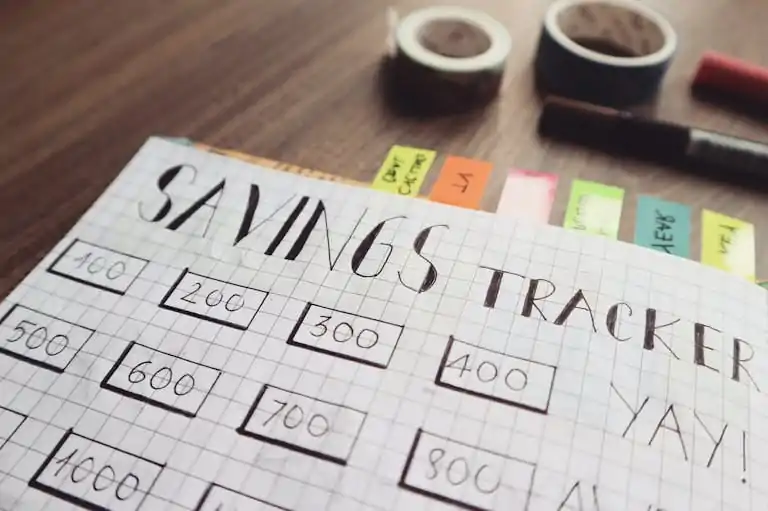
A goal with no number and no date is just a wish. When you say “I want to save more,” that is not a goal. When you say “I will save $500 by July 30,” that is a goal.
Goals give your brain a target. When you have a clear target, you make better daily choices. You say no to the new shoes because you see the $500 goal in your mind. Clarity make it easy to say no to the wrong things and yes to the right ones.
Use the SMART goal method: make your goal Specific, Measurable, Achievable, Relevant, and Time-bound. Write it down. Post it where you see it every day. When you see your goal each day, it stay fresh in your mind. It pull you forward even on hard days.
Break big goals into small steps. Want to save $3,000? That is $250 a month. That is $62 a week. That is $9 a day. Small daily steps add up to big life change. Do not wait for the perfect time. Start with the small step today.
9. Say No To Debt Traps
Debt is the main thing that keep people stuck in the paycheck cycle. When you owe cash, your pay is already spent before you even get it. Bills, payments, fees. All of it eat your income before you see it.
Not all debt is the same. A home loan can be a wise move if done right. But high-rate credit card debt is a trap that can take years to get out of. The average credit card rate in the U.S. is above 20%. That means a $1,000 balance can cost you hundreds in extra fees every year.
The debt snowball method, used by many who have paid off large amounts, work like this: list all your debts from the most small to the most large. Put all extra cash to the most small debt first. When that is paid, roll that cash to the next one. Each debt you clear give you more cash to fight the next one. It also give you a win, and wins build drive.
Avoid buy on credit unless you can pay the full balance each month. Live below what you earn. That gap between what you earn and what you spend is where wealth is built. Keep that gap as big as you can.
10. Build New Daily Habits
The big secret is that your daily habits build your life. It is not one big choice. It is the small ones you make each day, week after week.
Make a weekly cash check-in. Every Sunday or Monday, sit for 10 to 15 minutes and look at your budget. See how you did last week. See what is come up this week. This one small habit keep you on track better than any thing else. Most people who fail with money do not fail because they had no plan. They fail because they stop look at the plan.
Pack your food more often. Cook at home. Use the cash you save to hit your goals faster. Small daily acts, done with care and aim, change lives. It is not about be perfect. It is about be more right than wrong, more often.
Reward your self in ways that do not cost much. Take a walk, read a book, call a friend. Joy does not have to cost cash. When you find ways to feel good that do not drain your wallet, you break the link between spend and feel good. That link is one of the root causes of the paycheck trap.
FAQ
Q: How do most people start when they have no extra cash to save?
Start with just $5 or $10 per week. The amount does not matter at first. The habit does. Auto send that small amount the day your pay come in. Over time, grow the amount. The key is to start now, not wait for more income.
Q: What if bills take all of the income each month?
Then the goal is to cut at least one cost or add even a small amount of extra income. Look at each bill and ask: can this be lower? Can this be cut? Even $30 or $40 freed up per month is a start. Every small win count.
Q: Is it too late to start if age is already past 40 or 50?
No. It is never too late. Many people have turn their cash life around at 50 and 60. The best day to start was years ago. The next best day is today. Do not let age be a reason to stay stuck.
Q: How long does it take to stop live on one pay to next?
For most people, with a real plan and steady action, the first real change is felt in 3 to 6 months. Full change can take 1 to 3 years. But even in the first month, the act of have a plan bring peace of mind. That alone is worth it.
Q: What is the most key first step?
Track your spend for 30 days. Know where every dollar go. That one step alone will open your eyes and show you what to fix first.
Conclusion
Stop live on one pay to next pay is not about earn more. It is about use what you have in a better way, with more care, more plan, and more aim. The cycle can be broke. Not all at once. But step by step, day by day.
The road is not fast. There will be hard weeks. There will be months where the plan break down. That is fine. Get back on track. Progress, not perfect, is the goal.
Think of the life that wait on the other side. No more stress when the bill come. No more fear when the car need a fix. No more count the days to next pay. That life is real. And it is more close than you think.
Start today. Track one day of spend. Save $10 this week. Say no to one want buy. These small acts are the start of a new life. A life with calm, with choice, and with real peace of mind. That is what this is all about.