
9 Travel Hacks That Save Your Big Money
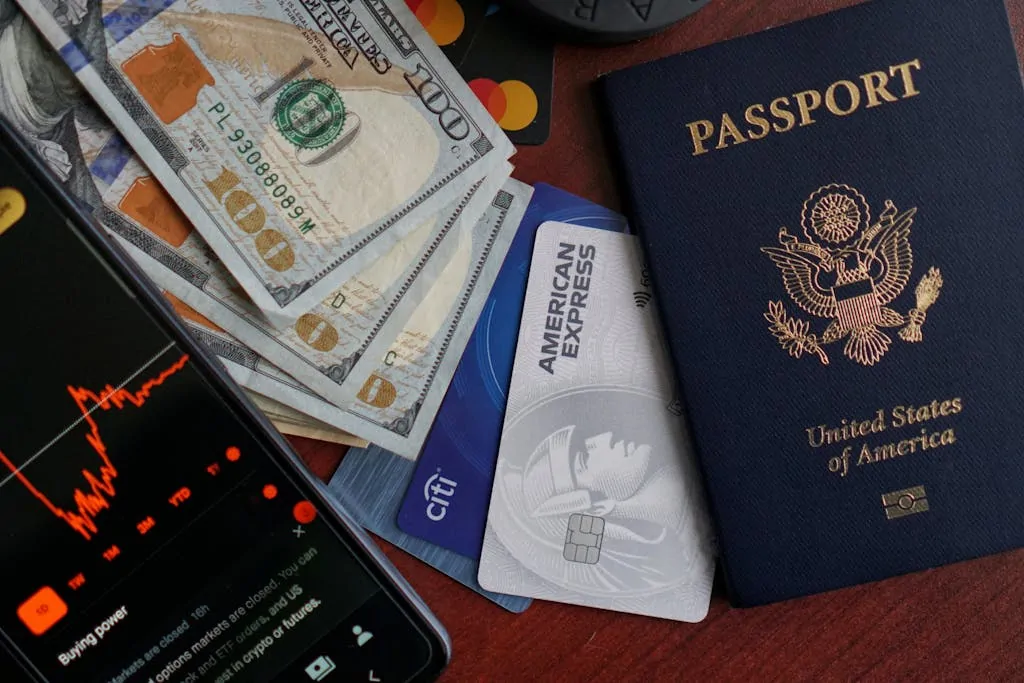
Most people work hard all year. They save a bit. Then one trip wipes it all out. It does not have to be that way. Travel can cost less. Much less. The key is not luck. It is not rich family money. It is just smart, small moves made at the right time. This post shows 9 real hacks that help cut cost on trips. Each one is simple. Each one works. And each one puts more cash back in your hand, not in the hand of big hotel and air line firms.
This is not just a list. Each point goes deep. Real case. Real tips. Real talk. By the end, any one who reads this will know how to fly, stay, eat, and move for far less than they paid last time.
1. Book Flights on the Right Day
Most folk do not know this, but the day you buy a plane fare can change the cost by a lot. Studies from big travel data firms show that fares drop most on a Tuesday or a Wednesday. Why? Air lines run sales on Monday nights. By Tuesday, rival air lines match the low price. This makes the mid-week window the best time to buy.
What can you do today?
Set a fare alert on Google Flights or Sky Scanner. These free tools track price drops for your route. When the price falls to your goal, you get a note. No need to check each day on your own.
One well-known case: A family in the UK found a Paris trip for 60% less just by waiting to book on a Tuesday vs. a Friday. Same flight. Same seat. Just a smarter day to click “buy.”
Also think about the time of the year. Most big tourist spots have a “low” time and a “high” time. High time means big crowds and big cost. Low time means calm and cheap. Places like Bali, Rome, and Bangkok all have clear low times. Do a quick look up for any spot you want to visit. You will find the sweet zone, often just a few weeks before or after the peak rush.
One more tip: book 6 to 8 weeks out for short trips. For long haul flights, 3 to 5 months out is the best range. Do not wait too long or buy too fast. Both are money traps.
The goal is to be calm and patient. Most people buy in a rush. That rush costs cash. The smart mover waits, watches, and then acts at the right time.
2. Use Points and Rewards Right
Free flights are real. Free hotel nights are real. But most people earn points and then waste them on bad deals. The secret is not just to earn points. It is to learn how to spend them well.
Credit cards with travel rewards are one of the top tools for this. Cards that give points per dollar spent on food, gas, and bills can stack up fast. Some cards give a big bonus in the first few months if you hit a spend target. These bonus points alone can be worth one or two free flights.
A well known case is the “points game” that many US-based travelers play. They sign up for a card, hit the bonus, then use the points for a high value fare in business class. A seat that costs $3,000 cash can be had for 50,000 to 70,000 points. That math works out very well for the smart user.
How to use points well:
- Use points on long haul or high-cost routes, not cheap short hops
- Look for “sweet spots” in reward charts where value is high
- Do not let points sit too long; most have an expiry rule
- Mix cash and points on some programs to stretch both
The key mindset here is to treat points like real cash. Many do not. They let points sit idle for years and then find they have lost value due to program rule changes. Treat each point as a small coin. Track them. Spend them with care.
Also, hotel loyalty programs work the same way. Brands like Marriott, Hilton, and Accor all have free tiers that give you one free night after a set number of stays. If you travel for work, use one brand only. Stack your stays. Get the free nights. Use them on your next personal trip.
3. Eat Like a Local, Not a Tourist
Food is one of the top four costs on any trip. And it is the one where most tourists pay way too much for way less joy. The rule is simple: eat where locals eat, not where signs say “Tourist Menu” or where staff call out to you from the door.
In Rome, for example, the best pasta is not near the Trevi Fountain. It is two streets back in a small place with no English sign and no big photos on the wall. In Bangkok, the best pad thai is not in a fancy hotel. It is from a cart on a busy side walk. In Mexico City, the real tacos cost a few pesos, not $10 US.
Step by step guide to eat cheap and eat well:
- Go to a local food market first when you land in a new city
- Watch where workers and office staff eat at lunch time. Follow them.
- Ask your host (if using a home stay or local guest house) where they eat
- Look for spots with a daily “set meal” which gives starter, main, and drink for one flat price
- Cook one or two meals per day if your stay has a small kitchen
The cost gap is huge. In many cities, a tourist-zone meal costs 3 to 5 times more than a local-zone meal. Same city. Same kind of food. Just a change in your walk path.
One often-missed tip: buy food from grocery stores and local wet markets in the morning. Fresh fruit, bread, eggs, and local snacks cost very little. Use this for your breakfast and one snack per day. Save your cash for one nice sit-down meal in the day. This balance works well and still lets you enjoy the food of the place.
Also, skip the bottled water habit in places where tap is safe. In many EU cities and some parts of Asia, tap water is clean. Ask your host. Buy a small filter bottle if not. The cost of water bottles on a 10-day trip adds up more than most people track.
4. Pick the Right Place to Stay
Hotels are the most common choice, but they are rarely the best value. Today, there are more options than ever. Each one suits a different trip style and budget.
Home stays (via Airbnb, Booking.com, or local apps) often give more space, a kitchen, and a local feel for less than a hotel room. A one-bed flat in Lisbon can cost $50 to $70 a night vs. a $120 hotel room with no kitchen. That kitchen saves you $20 to $30 a day in food cost on top.
Host families in some parts of the world offer a room and two meals for a very low rate. This is common in parts of South Asia, Latin America, and parts of Europe. The meals are home-cooked. The price is low. The local insight you get is priceless.
Hostels are not just for young backpackers. Many now have private rooms. They are clean, social, and often very well placed in cities. The common area is a free way to meet other travelers who share good local tips.
What to look for when booking a stay:
- Check if a kitchen is included. This alone saves a lot on food.
- Check the free perks: some places include daily breakfast, local SIM cards, or free bike rental
- Look at the walk time to main spots. Saving $20 a night but spending $10 extra per day on taxis cancels out.
- Read the most recent reviews, not just the top ones. Recent reviews show the real state of the place.
One historic travel pattern that smart budget travelers use: stay outside the city center. A short train or metro ride from the edge of a city saves 30 to 50% on nightly cost. In cities like Tokyo, Paris, and New York, this rule is almost always true. The edge of the city is not the “wrong” side of the city. It is just less known to tourists and more known to locals.
5. Move Smart Within Cities
Getting from place to place inside a city is where many trip budgets bleed out quietly. Taxis, ride apps, and private transfers all add up fast. But most cities have great public transit that costs a tiny fraction of those options.
In Tokyo, the metro is one of the best in the world. A day pass costs about $5 to $7 USD and takes you any where in the city with no fuss. In London, the Oyster card on the Tube is far cheaper than any cab. In New York, the subway is $2.90 per ride no matter where you go. In many Asian cities, local buses cost less than $0.50 per trip.
Daily cost comparison (average):
- Taxi/ride app: $10 to $25 per trip
- Metro or bus: $1 to $3 per trip
- Walk or bike: $0
A traveler who takes 3 taxi rides per day pays $30 to $75 daily just to move. The same traveler on public transit pays $3 to $9. Over a 10-day trip, that is a gap of $270 to $660. That is a whole extra flight or a few nights of lodging.
Bike rental is one of the best kept travel secrets. Cities like Amsterdam, Copenhagen, Kyoto, and even Buenos Aires have cheap or even free public bike systems. Riding a bike also lets you see more of a city than a taxi ever would. You stop when you want. You find hidden spots. You save cash and get a bit of fitness at the same time.
Walking is free. And on foot, you find things no tour guide ever shows. Some of the best travel stories come from a random 30-minute walk with no plan. The small cafe on a back lane. The market that only opens on Thursday. The view from a hill that is not on any map. Walk more. Spend less. See more.
6. Travel Light, Save More
Most people pack too much. Then they pay for it. Checked bag fees on budget air lines can cost $30 to $60 each way. On a round trip, that is $60 to $120 just for your bag. Over two or three trips a year, that is $200 to $360 spent on bags alone.
The solution is not to pack less of what you love. It is to pack smarter. Carry-on only travel is one of the highest-return habits a regular traveler can build. It takes a bit of practice and a bit of let-go. But once mastered, it changes how you travel for good.
How to pack carry-on only for a 10-day trip:
- Pick a bag that fits the strict size rules of budget air lines (most allow 40 x 20 x 25 cm)
- Use the “roll” method, not the “fold” method for clothes
- Pack clothes that mix and match. A navy pant goes with four tops. One black dress works day and night.
- Limit shoes to two pairs max. One for walk. One for nights out.
- Use small travel-size items for toiletries. Buy extra at the destination if needed.
- Leave items like full-size hair dryers and thick books at home.
The mindset shift here is big. Most people pack for “what if” moments. What if it rains? What if there is a formal event? What if the weather changes? Pack for “what will” moments instead. What will you actually wear? What will you truly use? The rest is just extra weight and extra fees.
Beyond the fee saving, light travel means more freedom. No waiting at the bag carousel. No risk of lost bags. No slow walk through airports. You land and you go. That feeling alone is worth the effort to pack light.
7. Plan Ahead But Stay Flexible
The tension in travel is this: plan too much and you pay peak prices. Plan too little and you miss good deals. The sweet spot is a middle path that most good travelers learn over time.
Pre-book the big items. Flights and the first night of stay should always be pre-booked. These two items have the widest price range and the most risk if left to last minute. Booking these 4 to 8 weeks out for short trips and 3 to 5 months out for big ones is the smart rule.
Leave space in the middle. Once the big items are set, leave the daily schedule open. Do not pre-book every tour, every meal, and every museum. Why? Because on the ground, you find better options. Local guides cost less than tour company packages. A free walking tour (where you tip what you choose) often beats a $50 paid tour.
One case study worth noting: a pair of travelers to Spain pre-booked only flights and their first two nights in Madrid. The rest of their 12-day trip was planned day by day on the ground. They found a great Airbnb in Seville at $40 a night (vs. the $110 hotel they had looked at before leaving). They joined a free walking tour that led them to a tapas bar with $1 plates. Total trip cost came out 40% below their first budget plan.
Flash sales are only useful if you are flexible. Air lines and hotel chains run short-window sales with very big discounts. If you can say yes with one or two days notice, you can grab deals most people miss. This works best for solo travelers or couples. Families need more lead time, but can still find good deals by tracking airline sale dates (many brands run them each week).
The goal is not chaos. It is calm readiness. Know your budget. Know your basic route. But let the details form as you go. This mindset saves money and also makes for better stories.
8. Use the Right Tools and Apps
The right tools cut research time and find savings fast. Most people only know one or two travel apps. But a small stack of five to six tools can save hundreds of dollars on every trip.
For flights:
- Google Flights: Best for exploring routes and tracking price trends over time
- Sky Scanner: Great for finding budget air lines on less common routes
- Hopper: Predicts fare changes and tells you when to buy or wait
For stays:
- Booking.com: Wide range, often has free cancel options
- Hostel World: Best for budget rooms and community stays
- Airbnb: Best for stays with kitchen access and local feel
For saving on city costs:
- Rome2Rio: Shows all ways to get from A to B (plane, train, bus, ferry) with cost for each
- Wise (or a local equivalent): For sending and spending money abroad with low fees
- XE: For checking live rates before you exchange cash
For local tips:
- Wikivoyage: Free, community-built travel guide for every city
- TripAdvisor (filtered for budget): Use the “price” filter and read the recent reviews only
- Reddit travel boards: Real people, real recent trips, real honest talk
Most of these tools are free. The only cost is the time to learn them. But once you do, you spend less time searching and more time saving. The biggest trap is to rely on only one platform for all travel bookings. That one platform may not have the best deal on every item. Shop around. Compare. Then book.
Also worth noting: a VPN (a tool that masks your location online) can sometimes show lower prices for flights and hotels. This works because some booking sites show different prices based on what country you are searching from. A quick test with and without a VPN on a big booking can sometimes reveal a 5 to 15% gap in price.
9. Set a Daily Budget and Track It
All the hacks above mean nothing if there is no clear budget in place. A daily limit is the frame that holds every good travel decision together. Without it, small costs add up in ways that are hard to see until the trip is over and the bank statement arrives.
The process is simple:
- Take your full trip budget (say $1,500 for a 10-day trip)
- Subtract the fixed costs already paid (flights, pre-booked stays)
- Divide the rest by the number of days on the ground
- That is your daily spend limit
For a $1,500 trip where $700 is already paid for flights and stays, the math gives $800 for 10 days on the ground, which is $80 per day. That covers food, transit, entry fees, and fun. In many parts of Asia, Latin America, and Eastern Europe, $80 per day is very doable. In Western Europe and North America, it asks for more care but is still very possible with the hacks in this guide.
Track every spend, every day. Apps like Trail Wallet, TravelSpend, or even a simple notes file on your phone work well. The act of writing down each cost, even a $2 coffee, builds awareness. That awareness is what keeps you inside your limit without feeling like you are missing out.
One real-world insight: most travelers who go over budget do not lose money on big items. They lose it on many small daily items they do not track. A $3 coffee here. A $5 souvenir there. A $10 cab instead of a $2 bus ride. Small leaks sink big ships. Daily tracking is the patch that keeps the ship afloat.
A strong travel budget also includes a “joy” line. Set aside 10 to 15% of your daily budget for one thing each day that brings real joy. A local dessert. A boat ride. A museum you truly want to see. This is not waste. This is the point of travel. But by giving it a name and a slot in your budget, it stays in check and stays meaningful.
FAQ
How far in advance should a trip be booked to save the most?
For flights, 6 to 8 weeks out works best for short and medium range trips. For long haul or big international flights, 3 to 5 months out gives the best rates. Hotel and home stay bookings can often be made closer to the travel date, especially if the plan is to stay flexible on the ground.
Is it really possible to travel on a very tight budget?
Yes. Many seasoned travelers move through South East Asia, Eastern Europe, and Latin America on $30 to $50 per day total, covering food, stay, and transit. The key is a mix of smart booking, local eating, public transit, and daily tracking. It does not require giving up good experiences. It just requires a different set of choices.
What is the safest way to carry and spend money abroad?
Use a bank card that has no foreign fee. Cards from banks like Charles Schwab (US) or Starling and Monzo (UK) do not charge fees on overseas spending and give near-market exchange rates. Always use local ATMs connected to major networks. Avoid airport and hotel money exchange counters. Their rates are often 10 to 15% worse than what a good card gives you.
Do budget air lines really save money after all the fees?
Sometimes yes. Sometimes no. Always calculate the true cost: base fare plus bags plus seat fee plus any other add-on. Then compare to a full-service air line on the same route. Budget air lines win when you pack light and fly in the middle of the week. Full-service wins on long hauls where comfort and the free bag make more sense.
How do travel reward points really work?
Points are earned by spending on a linked credit card or by booking stays and flights with partner brands. Each point has a cash value that varies based on how you spend it. Points used for long haul flights in premium cabins often give the highest value. Points used for cash back or gift cards usually give the lowest value. The smart play is to save points for big-value uses.
Conclusion
Travel does not have to drain a bank account. It does not have to be a stress-filled rush of bad choices and post-trip regret. With nine clear, proven moves, any traveler, from the first-timer to the frequent flyer, can cut cost, keep joy, and come home with money still in hand.
The core lesson is this: small, smart moves at the right time add up to big savings over a full trip. Booking on the right day. Eating where locals eat. Staying in places with kitchens. Packing light. Using the right tools. Each one alone saves a little. All nine together can cut a trip budget by 30 to 60%.
Beyond the money, there is a deeper gain. When a trip is planned with care, there is less stress. Less of “I spent too much.” Less of “I have to work extra next month to cover this.” More of “I traveled well. I saw real things. I met real people. And my savings are still safe.”
That is the true goal of smart travel. Not just cheap. But wise. Free of financial regret. Full of real memory. Built on choices that respect both the joy of the moment and the peace of the future.
Go plan that trip. Do it right. Enjoy every bit of it.