
8 Smart Ways to Lower Your Monthly Bills
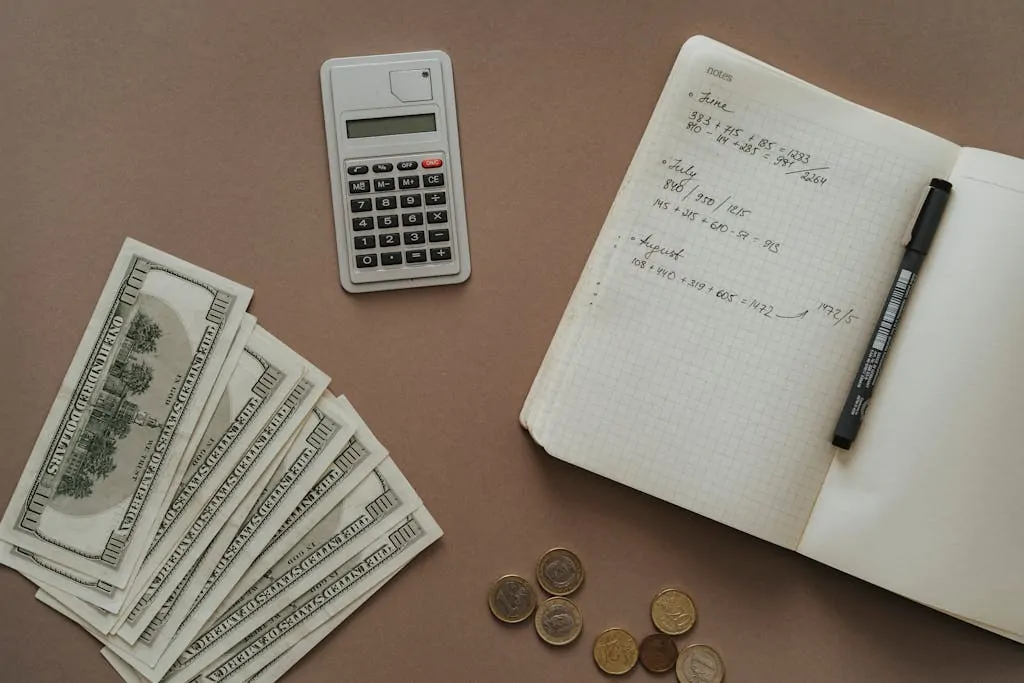
Every month, many hard-work people sit down, open their bank app, and feel that same old pain. The money is gone. Fast. And they do not even know where it all went. Bills pile up. Rent, food, gas, phone, and then some more. It feel like no matter how much one earn, the end of month is always tight.
This is not just a money problem. It is a habit problem. A plan problem. And the good news is, both can be fix. This guide will walk through 8 real, simple ways to cut monthly bills without giving up all the good things in life. No need to be a finance expert. No need to earn more. Just need to spend smart.
What will be cover here: how to find where money goes, how to stop the small leaks that drain a budget, how to cut costs on food, power, phone, and more, and how to keep more cash at the end of each month.
1. Track What You Spend
Most people think they know where their money goes. But most people are wrong. A 2022 study from the National Endowment for Financial Education found that over 60% of adults underestimate their monthly spending by at least 20%. That is a big gap. And it is hard to fix a leak when one does not know where the hole is.
The first step is simple: write it down. Every single spend. Coffee, bus fare, snack, app sub. All of it. Use a small notebook, a phone note, or a free app like Mint or YNAB. What matters is the habit, not the tool. Do this for just one full month and the results will shock most people.
The reason this work so well is that it make the invisible visible. Many people spend on small things with no thought, each one feels like nothing. But a 3-dollar coffee five times a week is 60 dollars a month. A 10-dollar food delivery fee twice a week is 80 dollars a month. When it all add up on paper, the shock is real, and that shock is a powerful push to change.
After one month of tracking, sort all spend into groups. Food, rent, bills, fun, transport, and so on. Then look at each group with fresh eyes. Ask: is this spend giving real value back? Some will say yes. Many will say no. That is where the cut can begin.
A good real-world example: In 2019, personal finance writer J.D. Roth from the blog Get Rich Slowly wrote about how tracking his spend for 90 days help him find over 400 dollars a month in waste he did not even know about. He was not spending on big things. He was spending on small things, over and over, with no plan. Tracking was the fix.
Do this today: Download a free spend-tracker app, or open a notes file on the phone. Log every single buy for the next 30 days. No skip, no excuse. At the end, review and highlight the top 3 areas of surprise spend. That is where the savings will come from.
2. Cut the Food Bill Smart
Food is one of the biggest costs for most homes. And it is also one of the easiest to cut, without eating bad or going hungry. The trick is to plan, not to restrict. Planned eating is cheaper eating.
The first big leak in food spend is not the grocery store. It is the food that gets bought and then thrown away. The USDA reports that the average American family throws away about 31 to 40 percent of the food they buy. That is nearly half of what is spent, going straight to the trash. Before cutting the grocery budget, cut the food waste first.
How to do that? Shop with a list. Every single time. Before going to the store, check what is already in the fridge and the cupboards. Plan meals for the week. Write only what is needed. Stick to the list. This one change alone can cut a food bill by 20 to 30 percent for most homes.
Cooking at home more is the next big win. A home-cooked meal for a family of four can cost 5 to 10 dollars. The same meal at a sit-down place can cost 40 to 60 dollars. That is a 4 to 6 times markup. And food delivery adds even more on top with fees and tips. Cooking is not just about saving money. It is also a skill, a form of care, and a way to eat better.
Buy store-brand items where it make sense. For things like rice, pasta, canned goods, oil, and spice, the store brand is almost always the same as the name brand. Only the box is different. Studies from Consumer Reports have shown that store brands score equal or better than name brands in taste tests in most food categories. The savings can be 20 to 40 percent on those items.
Buying in bulk for things that do not go bad is also a smart move. Dry goods, cleaning items, and paper goods bought in larger pack almost always cost less per unit. But only bulk-buy what will actually be used. Wasted bulk is not a saving, it is a bigger loss.
Do this today: Plan next week’s meals right now. Write a grocery list based only on that plan. Go to the store with the list and do not buy anything not on it. Compare the bill to last week’s. The gap will be clear.
3. Save on Power and Water
The electric bill and the water bill are two costs that most people feel they have no control over. But that is not true. Small changes in daily habits can cut these bills by 15 to 30 percent without any big spend or home upgrades.
Start with lights. Switching from old bulbs to LED ones is one of the best small home investments a person can make. LED bulbs use up to 75 percent less power than old incandescent ones and last up to 25 times longer. The upfront cost is small. The long-term saving is real. The U.S. Department of Energy has backed this fact with many studies over the years.
Heating and cooling is where most homes waste the most power. Turning the thermostat just 1 to 2 degrees lower in winter or higher in summer can cut the energy bill by up to 10 percent. Using fans instead of AC when the heat is mild, and wearing layers inside in winter, are free habits that save real money each month.
Unplug devices that are not in use. This sounds small, but it adds up. TVs, game consoles, chargers, and microwaves all draw power even when they are off. This is called “phantom load” or “vampire power.” The Lawrence Berkeley National Laboratory found that phantom load accounts for up to 10 percent of a home’s electricity use. Plug things into a power strip and switch it off at night.
For water bills, the biggest waste is usually in the bathroom. A long shower uses far more water than most people think. Cutting shower time by just 2 minutes per day saves around 10 gallons of water. Fixing a dripping tap can save up to 3,000 gallons a year. These are free fixes that have a real impact on the monthly bill.
A great case study here is the city of Las Vegas, which despite being in a dry desert, cut its water use by over 30 percent over 10 years through public campaigns that taught simple home habits. No new tech needed. Just better behavior.
Do this today: Walk through the home and unplug anything not in use. Check all taps for drips. Set the thermostat one degree in the right direction. These three steps can save 10 to 20 dollars this month alone.
4. Stop the Small Leaks
There is a concept in personal finance called “lifestyle creep.” It means that as people earn more, they spend more, slowly, on small things, until all the extra money is gone. But the same concept works in reverse. Small spends that go unnoticed can drain a budget just as fast as one big bill.
The most common small leaks are subscriptions. Streaming services, gym memberships, app fees, magazine plans, cloud storage upgrades, and so on. Many people sign up for a free trial and then forget to cancel. The charge just keeps coming. A survey by C+R Research found that the average American spends about 219 dollars a month on subscriptions but estimates they spend only 86 dollars. That is a 133-dollar gap in just one area.
The fix is simple but needs a one-time effort. Go through the last 2 to 3 bank statements. Highlight every recurring charge. For each one, ask honestly: was this used in the last 30 days? If not, cancel it today. Not next week. Today. Cancelling unused subscriptions is one of the fastest ways to recover free cash each month.
Bank fees are another small leak that people ignore. Monthly account fees, ATM fees for using a different bank’s machine, overdraft fees, and transfer fees all add up. Switching to a no-fee bank account or a credit union can stop many of these charges cold. Many online banks offer zero-fee accounts with all the same features as traditional banks.
Late payment fees are also a silent drain. A late credit card payment, a missed phone bill, or a delayed rent payment can all trigger fees ranging from 10 to 50 dollars or more. Setting up auto-pay for fixed bills like phone, utility, and rent ensures these fees never happen again. Auto-pay is a small setup that protects money every single month going forward.
Coffee and small daily buys are the most talked-about small leaks, and for good reason. The “latte factor,” a concept made popular by financial author David Bach, shows that skipping just one 5-dollar daily purchase and setting that money aside adds up to 1,825 dollars in a year. That is not nothing. That is a real emergency fund, a small investment, or a meaningful family experience.
Do this today: Go through bank statements right now. Find and cancel every subscription that was not used this month. Set up auto-pay for all fixed bills. Bring lunch from home at least 3 days next week instead of buying out.
5. Review Phone and Net Plans
Phone and internet plans are monthly costs that most people set up once and never look at again. But the market changes. Better deals come out. And many people are paying for plans they do not need or use. A one-hour review of these plans can save 20 to 80 dollars a month without losing any service quality.
Start with the phone plan. Check the current plan and what it includes. How much data is actually used each month? Many people pay for unlimited data but use only 3 to 5 gigabytes. Switching to a lower data plan can cut the phone bill by 20 to 40 dollars a month. If the phone is used mostly at home or work where wifi is available, a smaller data plan is almost always enough.
The big carriers, like AT&T, Verizon, and T-Mobile, are not always the cheapest option. Many smaller carriers, called MVNOs (mobile virtual network operators), use the same towers but charge far less. Companies like Mint Mobile, Visible, and TracFone offer solid plans for 15 to 30 dollars a month, compared to 60 to 90 dollars at the big names. The network quality is almost the same because they run on the same infrastructure.
For internet, check the current plan speed and compare it to what is actually needed. Most households doing regular browsing, streaming, and video calls do not need the highest-speed plan. Also, call the provider and ask for a retention deal. This is a real tactic that works. Many providers have special lower rates for customers who ask, especially if they say they are thinking of switching. A 10-minute call can save 20 to 30 dollars a month.
Bundling internet and phone through the same provider can also reduce costs. But bundles are only a saving if both services are needed at those levels. Always run the math before bundling.
Do this today: Log in to the phone and internet accounts. Check actual usage for the last 3 months. Call the provider and ask if there is a better plan or a current deal. This one call, made today, can save real money starting next month.
6. Buy Smart, Not More
The way people shop has a huge impact on how much they spend. And it is not just about what they buy. It is about when, where, and how they buy it. Smart shopping is a skill that can be learned and used every time.
The most powerful shopping habit is the 48-hour rule. When the urge to buy something non-essential hits, wait 48 hours before clicking “buy” or going to the store. Research in behavioral finance, including work by Dr. Hal Hershfield at UCLA, shows that this pause reduces impulsive buying by up to 50 percent. Many times, after 48 hours, the urge is gone and the item is not bought at all.
Shopping with a list is not just for groceries. For any planned purchase, from clothes to home items to tech, make a list of what is actually needed and set a budget for each item. Going to a store or website without a plan is an invitation to spend more than intended. This is a design choice by retailers, both online and offline. Bright lights, special deals, and placement of items at eye level are all meant to trigger unplanned buying.
Timing matters too. Buying seasonal items out of season is one of the best ways to save big. Winter coats are cheapest in spring. Garden tools are cheapest in fall. Holiday decor is cheapest right after the holiday. Electronics are often cheapest on Black Friday or during end-of-quarter sales. Planning ahead and buying at the right time can save 30 to 70 percent on many items.
Used items are another under-used money saver. Furniture, clothes, tools, books, and baby items can often be found in great condition at a fraction of the new price. Platforms like Facebook Marketplace, OfferUp, and local thrift shops have made buying second-hand easier and more accepted than ever. A study from ThredUp in 2023 found that the second-hand market is growing three times faster than traditional retail, showing that more and more people are catching on to the value of buying used.
Do this today: Before the next non-food purchase, wait 48 hours. If still needed after the wait, search for a used version first. If buying new, compare at least 3 sources before deciding.
7. Use Cash or a Set Limit
One of the most well-studied facts in behavioral economics is that people spend more when they pay with a card than when they pay with cash. This has been shown in studies from MIT, Carnegie Mellon, and many others. The act of handing over physical money creates a psychological “pain of paying” that cards simply do not trigger. This difference in behavior can result in 10 to 30 percent higher spending for card users.
The envelope method is a classic tool that uses this fact. At the start of the month, take out a set amount of cash for categories like food, fun, and personal spending. Put the cash in labeled envelopes. When the envelope is empty, the spending in that category stops. No more, no debate. This hard limit forces mindful choices in real time.
For those who prefer digital tools, many banks and apps now offer “spending limits” by category. The Capital One mobile app, YNAB, and even basic bank apps allow users to set monthly limits and get alerts when they are near the edge. This gives the same effect as the cash envelope system but in a digital form.
The key insight here is not that cards are bad. It is that without a limit, spending tends to grow. Setting a firm number for each category at the start of the month and tracking against it turns vague intentions into clear, enforced rules. Most people find they spend 15 to 25 percent less just by knowing their category limit and checking it regularly.
A real-world example: Financial coach Canna Campbell of SugarMamma TV built her entire money system around set category limits. She paid off significant debt and built savings not by earning more but by putting firm walls around her spending. Her story, shared publicly on YouTube and in her books, is a clear example of what happen when limits are used with consistency.
Do this today: Pick one spending category, like eating out or entertainment. Set a firm dollar limit for this month. Write it down. Check the running total every few days. Adjust behavior as the number gets close to the limit.
8. Plan for Big Bills Early
One of the biggest reasons people go over their monthly budget is not the regular bills. It is the unexpected-but-not-really-unexpected ones. Car insurance renewals, school fees, annual subscriptions, back-to-school shopping, holiday gifts, and home repairs. These are costs that happen every year. And yet, many people are caught off guard by them every single time.
The fix is to plan for them in advance, month by month. This is called a “sinking fund.” Instead of scrambling when the car insurance bill arrives in November, set aside a small amount every month starting in January. If the bill is 1,200 dollars a year, that is only 100 dollars a month. Done in small steps, it never hurts. Paid all at once, it can wreck a month’s budget.
Financial planner and author Ramit Sethi has spoken and written widely about this exact idea. In his book “I Will Teach You to Be Rich,” he describes how treating irregular costs as regular, just spread across the year, removes almost all financial stress that comes from surprise bills. The bills do not change. The approach to them does.
A sinking fund can be set up very simply. Open a separate savings account or sub-account for irregular costs. Label it “Annual Bills Fund” or similar. Calculate all the big yearly costs, add them up, divide by 12, and transfer that amount each month. The money sits there, ready and waiting, so when the bill comes, it is not a crisis. It is just a transfer.
Many people also forget to shop around for annual costs like car or home insurance. These policies often auto-renew without any review. But insurance rates change. Other companies offer better rates. Simply getting 2 to 3 quotes before the renewal date can save 100 to 400 dollars a year on insurance alone. This applies to phone plans, internet contracts, and any other annual agreement.
Do this today: List all the big bills expected in the next 12 months that are not monthly. Add them up. Divide by 12. Set up a monthly transfer to a savings account for that amount starting this month. Then, if any current annual plan is up for renewal in the next 3 months, get 2 competing quotes and compare.
FAQ
Q: What is the fastest way to lower bills this month?
Cancel unused subscriptions right now. Go through bank statements and highlight every recurring charge. Cancel anything not used in the last 30 days. This can save 30 to 100 dollars or more within the first month and the savings repeat every single month after.
Q: How much can a family save by cooking at home more often?
A family that cooks 5 nights a week instead of eating out or ordering can save anywhere from 400 to 800 dollars a month depending on their current habits. Even switching just 3 nights a week to home cooking creates a significant saving.
Q: Is it worth calling the phone company to ask for a better deal?
Yes, and it works more often than people think. Providers often have retention deals that are not advertised. Calling, saying the current plan feels expensive, and asking what better options exist often results in a lower rate or added perks at the same price. The worst they can say is no.
Q: How do people stop impulse buying?
The 48-hour rule is the most effective single habit. For any non-essential item, wait 48 hours before buying. Most impulse urges fade in that time. Removing saved payment info from shopping apps and websites also adds friction that slows down impulse decisions.
Q: What is a sinking fund and how does it help with bills?
A sinking fund is a small amount of money set aside each month for costs that come once or twice a year, like insurance, car repair, or holiday gifts. It removes the shock of big seasonal bills by spreading the cost across all 12 months. Setting one up takes less than 10 minutes and changes how big bills feel completely.
Q: Can lower-income households really cut bills significantly?
Yes, and often even more so in percentage terms. The habits that save money, like tracking spend, cutting waste, cooking at home, and cancelling unused services, work at every income level. Even saving 50 to 100 dollars a month creates meaningful breathing room and builds a foundation for better financial stability over time.
Conclusion
Cutting monthly bills is not about being cheap. It is not about giving up the things that matter. It is about being clear on where money goes and making sure it goes to the right places. Every dollar that leaks out on something unused, unplanned, or overpriced is a dollar that could go toward real goals, real security, and real peace of mind.
The 8 ways covered here are not theories. They are tested, proven habits used by real people who changed their money lives not by earning more but by spending smarter. Track the spend. Plan the food. Save on power. Stop the small leaks. Review the phone plan. Shop with intention. Set limits. Plan for big bills.
None of these steps need a finance degree. None of them need a big income. They need only a decision to pay attention and a habit to act on what is seen. Even three or four of these steps, done consistently, can free up 200 to 500 dollars a month for most households.
That freed-up money can go into a small savings buffer, so next month’s surprise does not become next month’s stress. It can go toward a meaningful goal, a safe future, or simply the feeling of ending the month with something left over instead of nothing.
The goal is not just to spend less. The goal is to live better with what is already there. And that is always possible, starting today.