17 Easy Wins to Trim Your Budget Painlessly Today
Your pay lands, the bills take their share, and by the third week you are counting coins again and wondering how to trim your budget without giving up every small joy. The month feels long, the pay feels short, and the gap between the two sits in your mind each time you open your wallet. You are not careless with money, and you are not bad at sums, because the truth is that life just costs more than it used to.
I know that tight feeling well, because that same pile of bills once sat on my kitchen table with a pay slip that did not stretch far enough. The good news is that you do not need a big pay rise to feel safer, and you do not need to give up every small joy either. Small wins, made early and repeated without fuss, can change the shape of a whole month.
This post gives you seventeen easy wins you can start today, and each one costs little or nothing to try. Each win tells you what to do, why it helps you, and how to start it in a few short steps. By the end, you will know your first three steps, and you will have a simple way to check that they work.
If you take one idea from this post, take this: small moves made early beat big moves made late. The people who stay calm when money gets tight are often the ones who built simple habits before the trouble came, and you can be one of them. You do not need to do all seventeen wins at once, because even three or four will change how your month feels.
Five quick wins that trim your budget without pain or fuss
1. Write down every spend for seven days so the leaks show up fast
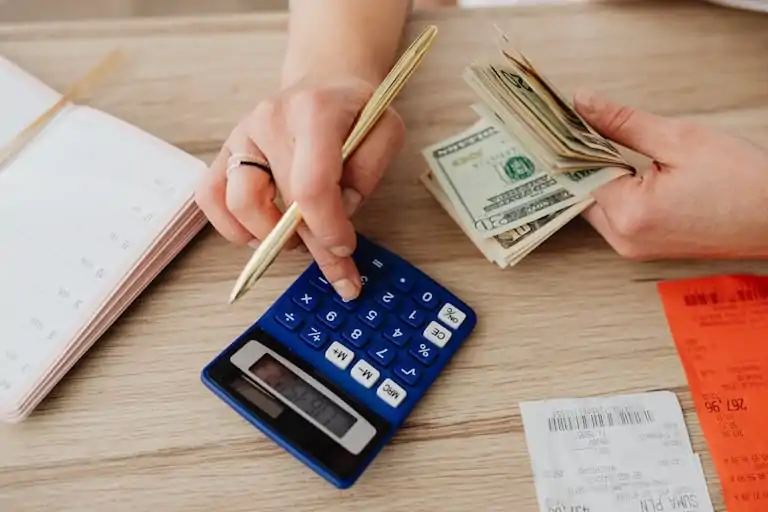
You feel sure you spend little, and yet the money still runs out before the month ends. The gap between what you think you spend and what you truly spend is where the leaks live, and a short list makes them easy to see. Tracking your spending for one week shows you the pattern in plain numbers, and seeing the pattern is the change itself.
Start today: write down every spend in a small notebook or a notes page on your phone, and add the numbers up each night before bed. Watch out for skipping a busy day, because one missed day feels like failure and it is not, so just pick the notes up the next morning. You will know it works when one clear leak pops out that you did not expect, such as daily snacks or small top ups that add up fast.
2. Cut one small daily habit and trim your budget a little each week
You grab a snack or a drink on the way to work each morning, and it feels too small to count. Add it up over a month, though, and that small daily habit can eat more than you think. Cutting just one of them frees money you already spend, and you will barely feel the loss.
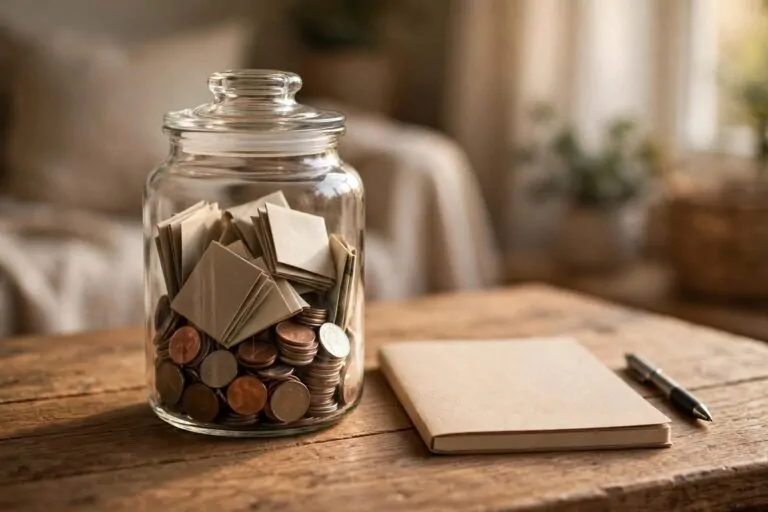
Pick the one daily spend you would miss least, and skip it for seven days in a row. Put the money you would have spent into a jar or a separate pot each day, so you can see it grow. A good first result is a small pile of cash at the end of the week, and that pile proves the habit was worth cutting.
3. Cancel the subscriptions you forgot you pay for every single month
You signed up for a free trial months ago, and the payments kept rolling long after you stopped using it. Most people pay for more subscriptions than they can name, and the money leaves so quietly that you never notice it. A quick check of your bank statement today can find the ones you forgot, and each one you stop is money back in your pocket.
A C+R Research survey found people spend about $219 a month on subscriptions on average, and most underestimate what they pay. That gap between the guess and the truth is often wide, and your own list may hold a surprise or two.
Go through your last bank statement line by line, mark every repeat payment, and cancel the ones you have not used in the last month. Watch out for yearly plans that renew in one big charge, because they can slip past a monthly check. The first sign it works is one less payment leaving your account next month, and that saving repeats every month after.
4. Plan five meals from what you already have before you shop again
You open the fridge on Thursday and find food you forgot you bought, and it smells off, so it goes in the bin with the money you spent on it. A short meal plan stops that waste before it starts, because you buy only what the plan needs. Planning five meals from what you already have means fewer trips, fewer impulse buys, and a fridge that stops wasting good food.
The United States Department of Agriculture puts food waste at 30 to 40 percent of the food supply, and the average family of four loses about $1,500 a year to food that never gets eaten. That is money already spent, and a plan is the simplest way to keep more of it in your pocket.
Sit down tonight, pick five evening meals that use what is in the cupboard first, and shop from one list with no extra trips. Watch out for shopping when you are hungry, because a hungry shopper buys food for a mood, not for a plan. You will know it works when the bin holds almost nothing at the end of the week, and the weekly shop starts to cost less.
5. Turn the heat down a touch and keep the warmth you already paid for
The heating bill lands in winter, and it is always bigger than you hoped. You turn the heat down, but the house feels cold, and the bill barely moves. Small changes to how you heat and cool your home add up fast, because this one cost is bigger than all the rest.
The United States Energy Information Administration says heating and cooling use more than half of the energy in the average home. That means this one area holds more saving than lights and gadgets put together, so a small change here beats a big change anywhere else.
Turn the heat down by one or two degrees, wear an extra layer at home, and close the curtains at dusk to keep the warmth in. Check for cold draughts round doors and windows, and block the worst one today with a rolled towel or a cheap draught strip. A good first result is a bill that comes in lower than the same month last year, and you can keep the same routine all winter long.
6. Look hard at your biggest bill first because housing eats the most
Most budget advice starts with small stuff, but your biggest bill is where the real money sits. Home costs take the largest share of most household budgets, so even a small change there beats a dozen tiny savings.
The Bureau of Labor Statistics says housing takes about a third of the average household budget. That means this one bill shapes your whole month more than any other cost, so it deserves your attention first.
Check what you pay for your home, look for one extra charge or fee you can question, and ask about a smaller or cheaper option if one fits your life. Try this first with the bills tied to your home, and write down each one so you can see them side by side. Watch out for moving just to save a little, because moving costs can eat the saving, and a good first result is knowing your true home cost down to the last coin.
7. Build a small safety pot so one surprise bill never breaks your month
One broken washing machine or one slow month at work can wipe out what you saved all year, and that thought sits in the back of your mind each time you open your wallet. A small safety pot turns that worry into a plan, because even a little cash set aside changes how a surprise feels. You do not need a big pot to start, and you do not need to fill it in one go.
The Federal Reserve found that 37% of adults could not cover a sudden $400 bill with cash or its equivalent. That number shows how common the problem is, and it shows why a small pot of your own matters more than a perfect plan.
Open a separate pot today, move a small fixed amount into it on pay day, and leave it untouched for three months before you change it. Watch out for setting the amount too high and quitting after two weeks, because a small amount you keep beats a big amount you drop. You will know it works when the money moves on its own each month, and you did not even miss it.
8. Wait two full days before you buy a want that feels urgent right now
You see something you like, and your finger hovers over the buy button as if the chance will vanish. It feels urgent, but it almost never is, and the urge fades fast once you step away. A short wait breaks that spell, and most of the time you will find you no longer want the thing at all.
I tried this one myself, and the pause saved me more than once. When you want something that is not a true need, write it on a list with the date, and check it again after two full days. Watch out for sales and countdown timers, because they are built to kill your pause, and the first sign it works is a list with three items you no longer want.
9. Shop with a short list in your hand and never shop when you are hungry
You pop into a shop for milk and come out with five things you never planned to buy. Shops are built to tempt you, and a quick trip without a plan is where impulse buys live. A short list in your hand keeps your eyes on what you came for, and it turns a wandering trip into a quick job.
Write your list before you leave the house, and buy only what is on it, with no extra trips for treats you did not plan. Eat before you shop, because a hungry shopper buys food for a mood, not for a plan. Watch out for the special offers near the till, and a good first result is a receipt that matches your list, with nothing extra on it.
10. Use what you already own first before you buy a single new thing
Your cupboards hold food, clothes, and tools you forgot you had, and yet you buy new ones each week. Using what you already own first costs nothing, and it often does the same job as a new buy. A quick look round the house before you shop can save you a trip and a spend.
Check the cupboard, the fridge, and the shelf before you write your list, and use up what is already there first. Try this first with food: plan one meal from items that have sat longest, and only buy what the meal still needs. Watch out for buying a duplicate of something you already own, and a good first result is a cupboard with space in it and a shorter shopping list.
11. Swap one costly night out for a free evening at home with people you like
A night out with friends can cost as much as a week of food, and yet the best part is the company, not the bill. Swapping one costly evening for a free one at home keeps the fun and drops the cost. You still see the people you like, and you still laugh just as much, but your wallet stays full.
Invite friends round for a simple meal at home, or meet in a park with food you made yourself. Take it in turns to host, so no one person carries the cost each time. Watch out for turning the home evening into a big costly event, because simple is the point, and a good first result is a great night that cost almost nothing.
12. Give yourself a small weekly fun limit and spend it in cash only
Fun spending is the hardest to control, because it never feels like spending at all. A coffee here, a treat there, and the money slips away without a single big buy to blame. A small weekly limit gives fun a clear edge, so you can enjoy it without fear.
Take your fun money out in cash at the start of the week, and when the cash runs out, the fun spending stops till next week. Keep the limit low enough to feel easy, and high enough to feel fair, so you stick to it. Watch out for topping it up midweek, because one top up breaks the rule, and a good first result is cash left over on Sunday night.
13. Pick the plain version of everyday goods and keep the saving for yourself
The fancy pack and the plain pack often hold the same thing, but the price gap can be wide. Picking the plain version of everyday goods is one of the easiest wins there is, because it needs no effort and no sacrifice. You still get what you need, and the saving stays with you.
Try this first with one item you buy each week, such as rice, soap, or cleaning spray, and compare the plain version side by side. If it does the job, keep it, and move on to the next item the week after. Watch out for assuming dearer always means better, because it often does not, and a good first result is the same weekly shop for less money.
14. Switch off lights and plugs you are not using and watch the bill fall
Lights burn in empty rooms, and plugs sit warm all day feeding things no one is using. Each one costs only a little, but together they add up across a whole month. Switching off what you are not using is a free win, and it takes seconds.
Walk through your home tonight, switch off the lights in rooms no one is using, and pull out the plugs of things on standby. Make it a habit at bedtime, so the house rests when you do. Watch out for leaving chargers plugged in all day, and a good first result is a home that feels calm at night and a bill that starts to fall.
15. Sell or swap the things you no longer use and free up space too
Your home holds things you no longer use, and each one is money sitting on a shelf. Selling or swapping them frees up cash and space at the same time, and someone else gets use from what you do not need. A clear out is one of the few wins that pays you back at once.
Pick one shelf or one drawer today, pull out three things you have not used in a year, and list them for sale or offer them to a friend. Price them low so they move fast, and put the money straight into your safety pot. Watch out for buying a replacement for something you just sold, and a good first result is a little cash in your pot and a shelf with space on it.
16. Cook at home four nights a week and let one big pot feed you twice
Takeaway food costs far more than the same meal made at home, and the habit adds up fast across a month. Cooking at home four nights a week gives you control of the cost, the portions, and the leftovers. One big pot can feed you twice, and the second meal costs you nothing but a few minutes to reheat.
Pick one simple meal you can cook in a big pot, such as soup, stew, or pasta, and make enough for two nights. Eat half tonight, and pack the rest away for tomorrow, so the second night is already done. Watch out for buying fancy items for the recipe, because simple food is the point, and a good first result is two evening meals from one short cooking session.
17. Give yourself one no spend day each week and feel the difference fast
A whole week without spending sounds hard, but one day is easy, and it teaches you a lot. A no spend day shows you how often you reach for your wallet without thinking, and it breaks the habit of daily treats. You still eat, you still live, and you still have fun, but you spend nothing at all.
Pick one day this week, such as Sunday, and plan it in advance with food from home and free things to do. Tell the people at home, so they join in, and keep your wallet in a drawer for the day. Watch out for the small buys that sneak in, such as a snack on a walk, and a good first result is a day that felt full and free, with nothing spent at all.
Key takeaways: 17 simple ways to trim your budget starting today
- Write down every spend for seven days, so the leaks you cannot see finally show up.
- Skip one small daily habit for a week, and watch the saved cash pile up in a jar.
- Check your bank statement for repeat payments, and cancel the ones you never use.
- Plan five meals from food you already have, so less goes from fridge to bin.
- Turn the heat down a touch and shut out draughts, because heating eats most of your home energy.
- Look at your biggest home bill first, because that is where the real money sits.
- Move a small fixed amount into a safety pot on pay day, and leave it untouched.
- Put every want on a two day list, and buy it only if you still want it later.
- Shop from a short list with a full stomach, so impulse buys stay on the shelf.
- Use up what is in the cupboard first, and only buy what the meal still needs.
- Swap one costly night out for a free evening at home with friends.
- Take fun money out in cash each week, and stop when the cash runs out.
- Try the plain version of one weekly item, and keep it if it does the job.
- Switch off lights and plugs you are not using, and check the bill next month.
- Sell or swap three things you have not used in a year, and bank the cash.
- Cook one big pot at home, and let it feed you for two nights.
- Pick one no spend day each week, and plan it with food and fun from home.
Start today with three small steps that trim your budget fast
- Write down every spend today, and start your seven day list.
- Pick five meals from what you already have, and write one shopping list.
- Move a small amount into a separate safety pot today.
I started with these same small wins, and the calm they brought was worth more than the money saved. Start with one step today, and let the rest follow, because a month from now you will be glad you began.