4 Expenses to Keep Even in a Bare Bones Budget
You open your bank app and the number is smaller than you hoped. You start cutting, and soon every line looks like a cost you could drop, which is where the worry starts.
A bare bones budget is not a list of things to suffer through. It is a short list of costs that keep your life working while you spend less on the rest. This post shows you four costs to keep, and it shows you what to do with each one today.
I have sat at a kitchen table with a pile of bills and pay that did not stretch far enough. The fix was not to cut the roof over my head or the food on the table, because those cuts made the next week harder, not easier.
So this post keeps it plain. You will see what each cost covers, why it earns its place, and the small steps that make it cheaper without dropping it. By the end you will have four clear keeps, and a plan you can start before bed tonight.
Most budget guides tell you to cut hard and cut fast. That advice sounds brave, and it fails fast too, because a budget you cannot live with is a budget you will drop by week two. The four keeps below are the floor, and the floor is what lets you stand while you trim the rest.
Four Costs To Keep When Every Dollar Has A Job To Do
1. Keep Your Home Payment First So Your Bare Bones Budget Stays Standing
What happens if you skip the rent or home payment for one month? You get a short break, and then late fees, stress, and a much harder talk with the person you pay each month.
Your home payment is the rent or home payment you make each month for the place you sleep, cook, and rest. It is the one cost that holds the rest of your life in place. When it is paid, you have an address, a kitchen, and a door that locks.
The US Bureau of Labor Statistics consumer spending survey puts housing at about one third of all household spending for the average home. That means it is the biggest line in most budgets, so it deserves a plan of its own, not a cut made in a panic.
A steady home keeps your work, your sleep, and your meals on track. When home is safe, you can think straight, and you can make better choices with the money that is left.
Think of your home payment as the first bill, not the last one left after fun. When it is paid first, you know the true amount left for food, travel, and the small joys that keep life kind. When it is paid last, you guess, you overspend, and the shortfall lands on the roof over your head.
Try this first, today, in three small steps.
- Write down the exact amount and the exact date it leaves your account each month.
- Set a phone reminder for three days before that date, so it never slips past you.
- Put that amount aside on pay day, before you spend on anything else.
Watch out for the trap of paying home late so you can pay for fun first. Late fees add up fast, and they buy you nothing. If the amount feels too high, ask about a smaller place or a cheaper area when your current deal ends, but do not skip a payment while you wait.
If your pay date and your home payment date do not line up, ask if the date can move to just after pay day. Many people find that one small change stops the monthly scramble, because the money leaves before it can be spent on other things.
A good first result is simple: the payment goes out on time, and you stop thinking about it. The US Department of Energy notes that heating and cooling use about half the energy in a typical home, so a thick curtain, a closed door, and a lower thermostat at night can trim the bills that sit next to your home payment.
People who cut home first often find the saving does not last. They spend the same money on short stays, storage, or travel to a new place, and they lose the calm that a fixed address brings. Keep the roof, and cut the extras that sit around it instead.
Home first, and the rest of the plan gets easier.
2. Keep Food At Home On The List Because Cooking Beats Takeaway Every Time
It is six in the evening, you are hungry, and the takeaway menu is right there on your phone. One tap feels easy, and the bill at the end of the week feels anything but easy.
Food at home means the groceries you buy and cook in your own kitchen. It covers breakfast, lunch, and dinner, plus the snacks that stop you from buying food when you are out. It is not fancy cooking, and it does not need new tools or rare foods.
I learned this the hard way when a month of takeaway meals cost more than a full week of groceries. The US Bureau of Labor Statistics consumer spending survey puts food at close to 13 percent of all household spending for the average home. That is a big slice, so a small change in how you buy food shows up fast.
Cooking at home helps you because you choose the amount, the salt, and the cost. A pot of soup or a tray of roasted vegetables can feed you for days, and it costs far less than the same food bought ready made.
A simple way to keep food costs down is to build each meal from one cheap base. Rice, pasta, potatoes, or bread can carry beans, eggs, cheese, or seasonal vegetables, and the meal still tastes good. When you shop for the base first and the extras second, the trolley stays cheaper and the meals stay filling.
Try this first, today, in three small steps.
- Plan three simple dinners for this week, and write the list before you shop.
- Buy rice, beans, eggs, frozen vegetables, and one cheap protein you like, because those stretch across many meals.
- Cook double tonight, and pack the extra half for lunch tomorrow, so you do not buy lunch out.
Watch out for the big shop that fills the trolley with snacks and drinks you did not plan to buy. Shop with a list, shop after a meal when you can, and leave the fancy extras on the shelf. A small shop twice a week can beat one huge shop that ends with food going stale in the fridge.
Leftovers are not a sad second meal, and they are one of the best tools in a tight budget. A roast chicken on Sunday can fill sandwiches on Monday and soup on Tuesday, and each of those meals costs far less than buying lunch out.
A good first result looks like this: you eat three home cooked meals in a row, and you still have food left for tomorrow. The money you save can go straight to the home payment or the cash cushion, which is where it does the most good.
Keep it simple and repeat the meals that work. A weekly plan with five or six dishes you know well beats a new recipe every night, because you shop faster and you waste less. When food is calm and planned, the rest of your spending calms down too.
3. Keep A Way To Get To Work Because No Work Means No Pay
Your alarm rings, your bag is packed, and the bus you need is due in ten minutes. If that trip stops, your pay stops with it, and that is why travel to work stays on the list.
Travel to work is the bus fare, train fare, fuel, or bike cost that gets you to your job and back each day. It is not travel for fun, and it is not a car upgrade. It is the cost of the trip that brings money in.
The same consumer spending survey from the US Bureau of Labor Statistics puts transport at close to one dollar in every six that a household spends. That covers cars, fuel, fares, and upkeep, so it pays to look at the cheapest way to make the same trip. I once spent a month tracking every fare and fuel stop, and the total shocked me into changing how I travelled.
This cost helps you because it guards the pay that funds all the rest. A missed shift costs far more than a bus fare, and a late start can cost you hours you never get back. Keep the trip, and make the trip cheaper instead.
If you drive, the cost of the trip is more than fuel, because tyres, oil, and small repairs all add up across the year. A short walk to a bus stop, a shared ride with a workmate, or one car free day each week can cut those costs without cutting the job. Keep a note of what you spend for a month, and the true cost will surprise you, in a good way.
Start today with three small steps.
- Add up what you spent on travel to work last week, fares and fuel together.
- Check the weekly pass, the car share, or the bike route that could cut that total.
- Pick the cheapest option that still gets you there on time, and test it for one week.
Watch out for the dear fix that costs more than the problem. A new car, a costly pass you do not use, or a long taxi ride can eat the saving you hoped to make. Match the fix to the trips you really take, and keep the receipt for a week so you can see the true cost.
A good first result is a week of on time trips that cost less than last week. You keep the job, you keep the pay, and you keep the small saving for the costs that matter.
If you walk or cycle for part of the trip, you save money and you get fresh air on the way. Even one or two days a week can cut the bill, and the habit grows easier once you know the route.
4. Keep Basic Health Cover And A Small Cash Cushion For Surprises
What happens when a tooth aches, a prescription runs out, or the car tyre goes flat in the same week as the bills? Small health costs and small surprises can grow fast, which is why this last keep covers both of them.
Basic health cover is the plan or payment that keeps your doctor visits, your medicines, and your check ups within reach. The cash cushion is a small pot of money set aside for the surprise that always seems to land at the worst time. Together they form a safety net that stops a small bill from turning into a big problem.
The Kaiser Family Foundation found that the average yearly premium for family health cover through a job was more than $25,000 in 2024. That is a huge sum, so it makes sense to know what your plan covers and to use the free check ups and the cheap generic medicines where they fit.
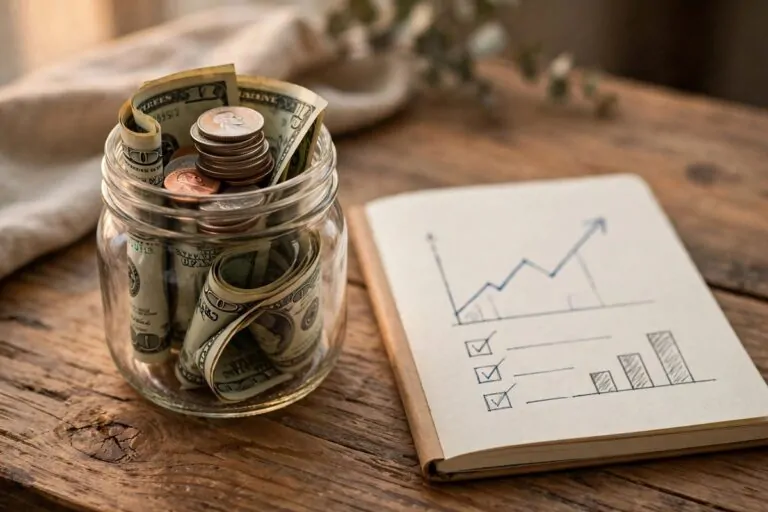
The US Federal Reserve found that 63 percent of adults would pay a $400 surprise bill with cash or its equal. That means more than one in three adults would struggle with the same bill, so a small cushion is not a luxury. Take $10 a week as an example: it builds into $520 in a year, and that sum can cover a tyre, a filling, or a broken phone screen.
This keep helps you because it buys you time and calm when life wobbles. You can see a doctor early, fill the prescription, and fix the small fault before it grows into a big one. That is far cheaper than waiting and hoping the problem goes away.
Health cover is easy to drop when money is tight, and it is the keep people regret dropping most. A single visit to a doctor, a course of medicine, or a trip to the dentist can cost far more without cover than a month of premiums. Keep the cover, use the free checks, and ask what each visit costs before you book it.
Start today with three small steps.
- Read your health plan tonight, and note what it pays for and what you pay.
- Ask your doctor or pharmacist if a cheaper form of your regular medicine is safe for you.
- Move $10 into a separate pot on pay day, and leave it there for surprises only.
Watch out for the plan that looks cheap but pays for almost nothing when you need care. Read the small print, ask what a visit really costs, and do not drop cover to save a few dollars in a month. A dropped plan can cost you far more in the first month you need it.
The cash cushion works best when it is small, steady, and boring. Ten dollars a week feels like nothing on pay day, and it grows into a sum that can meet a flat tyre, a broken kettle, or a school trip without touching your home payment.
A good first result is quiet and plain: your medicines are filled, your check up is booked, and $40 sits in the pot after a month. Nothing dramatic happens, and that is the point, because the safety net is there before you need it.
Keep the cushion separate from your spending money, so you do not dip into it for treats. When a surprise comes, you pay it from the pot, you refill the pot next pay day, and your home, food, and work trips stay safe.
Those four keeps are the whole floor. Hold them, trim the rest with a clear head, and your budget can last past the first hard week.
Key Takeaways For Your Bare Bones Budget
Four keeps, four actions.
- Pay home first, on time, every month, because a steady roof holds the rest of your life in place.
- Cook simple food at home most nights, and let the saving feed your home payment and your cash cushion.
- Keep the trip to work, and make it cheaper with a pass, a shared ride, or a bike for part of the way.
- Hold on to basic health cover and a small cash pot, so a surprise bill never knocks your plan down.
What To Do First Today In Three Short Steps
Do these three things before bed tonight, and your bare bones budget starts working for you, not against you.
- Move your home payment aside first, and set a reminder three days before it is due.
- Plan three simple dinners, write the list, and cook double tonight for lunch tomorrow.
- Move $10 into a separate pot for surprises, and check the cheapest way to get to work this week.