7 Easy Ways to Win the 52 Week Money Saving Challenge
You want to save money, but every month ends the same way. You look at your bank app, you see almost nothing left, and you wonder where it all went.
That feeling is the problem this post fixes. After you read it, you will know exactly how much to save this week, when to save it, and what to do when a hard week comes, so you can finish a full year of saving without stress.
This money saving challenge works because it starts tiny and grows slowly, and you only need one small move each week.
You are not alone in this. In its 2024 report on household well being, the Federal Reserve found that only 63 percent of adults in the United States said they could cover a surprise bill of 400 dollars with cash or its equivalent, and 37 percent said they could not cover it that way. That means a small surprise bill can shake a lot of homes, and it shows why a small weekly pot matters so much for you.
So your goal this week is simple: build a small cushion before the next surprise comes, not a perfect plan.
Watch One Small Week Grow Into Real Savings by Week Fifty Two
1. Save a Little More Each Week, Starting So Small You Will Not Miss It
What if you could save for a whole year and never feel the pinch in week one? That is how this challenge starts, because week one asks for the smallest amount of the year.
Here is what it is. You save once a week for 52 weeks, and you add a little more each week than you saved the week before. You keep the same pattern all year, and the weekly amount rises in small steps you can follow without thinking hard.
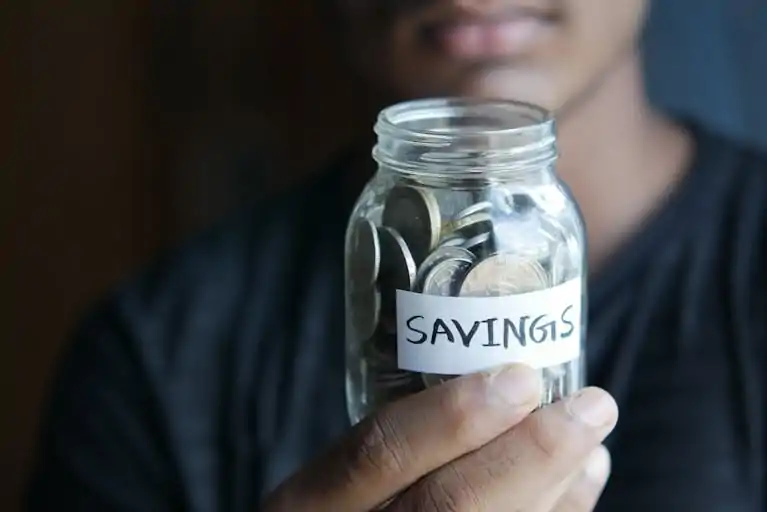
Do it today in three steps. First, pick a starting amount so small that you will not miss it. Then pick one safe spot for the money, a jar or an envelope or a separate spot in your bank app, and put week one in today.
Watch out for one trap: do not start big to impress yourself. This challenge became widely known on social media around 2013, and the classic version starts at 1 dollar in week one and rises by 1 dollar each week, which adds up to 1,378 dollars by week 52. That total is simple maths, not magic, and it only works if you start small enough to keep going.
A good first result looks like this: week one is done, week two is marked on your tracker, and you still have money left for food and travel. If that is true, you have started right.
2. Shape the Weekly Amounts to Fit Your Real Pay Days, Not a Fixed Plan
Sunday morning, you open your bank app and you see your pay has landed, but you also see the bills that will take most of it. You need a plan that fits that real picture, not a plan that pretends your pay is the same every month.
This step means you bend the weekly amounts to match how you get paid. If you get paid each week, you save on payday. If you get paid once a month, you set aside four weekly amounts at the start of the month and move one into your pot each week.
The average American household spent 26,266 dollars on housing in 2024, about one third of all its spending, according to the Bureau of Labor Statistics. What that means for you is simple: your biggest bills come first, so set your weekly save after rent and bills, not before them.
This kind of change has worked for real people before. The writer behind the blog She Makes Cents tried the classic version in 2013, but her pay changed from month to month, so the fixed rising amounts did not fit her life. She made a bingo card version instead, where she could pick any weekly amount on the card, and that change helped her keep going when the strict version had failed.
What that means for you is simple: if the strict order does not fit your pay, change the order, not the goal.
Do it today in two steps. Pick the amount you can save this week without stress, and write down whether you will save weekly or in a monthly block.
Watch out for a plan that leaves you short for food or travel. If you feel stressed each week, the amount is too high, and if you forget you even saved, you can raise it a little next week.
A good first result is a plan you can repeat next week without dread.
3. Start This Week With a Simple Paper Tracker, and Tick Off Week One Today
Try this first: grab a pen and a piece of paper before you do anything else. That one small move turns a vague wish into a plan you can see.
A tracker is just a list of week numbers from one to 52, and you tick each week off as you save. It works because you can see your progress in one glance, and that clear picture keeps you going when your mind is busy. You do not need a new tool or a new routine, and a paper sheet still works when your phone is off.
Set it up today in three steps. Write the numbers one to 52 down the page, and put your saving day at the top.
Put your first amount in your jar or envelope today, and tick week one off right away. Keep the sheet where you will see it each day, like on the fridge door or near your keys.
I keep my tracker on the fridge door. That spot reminds me each morning, and it takes only a few seconds to tick a week off.
Watch out for one thing: a missed week is not a failed year. Your tracker shows you exactly where you are, so you can pick up again next week without guessing.
A good first result is a full row of ticks after four weeks, and a pot that is slowly growing.
4. Save Less in a Tight Week, So Your Habit Stays Alive When Money Is Short
Have you ever started strong in January and stopped by March because life got in the way? A tight week is the moment most plans fall apart, so you need a plan for that week before it comes.
You are not the only one who feels this pinch. In its 2025 Emergency Savings Report, Bankrate found that only 41 percent of Americans said they could cover a surprise bill of 1,000 dollars from savings, and 59 percent said they could not. That gap is why a small backup pot matters, and it is why this challenge is built for tight weeks, not just easy ones.
What that means for you is clear: save a smaller amount in a tight week, and keep the habit alive, because a tiny save still beats a stopped plan.
Do it today in three steps. Pick your smallest save, even if it is only a few coins, and put it in the pot today.
Then look for one simple swap this week, like a home cooked meal in place of a takeaway or a walk in place of a short drive. Write the smaller amount on your tracker, so you can see that you kept going.
Watch out for the urge to quit after one hard week. Plan ahead for weeks you know will be hard, and save a little extra in the weeks before them, so you have a buffer. If a quiet month is coming, use that time to catch up.
A good first result is a tick on your tracker in a week when money was tight, because that tick proves you can keep going.
5. Build Small Weekly Habits That Keep You Saving All Year, Even When Tired
It is Tuesday night, you are tired, and saving is the last thing on your mind. That is the exact moment a small habit helps, because it takes the choice out of your hands.
A habit here means a short weekly check in that takes only a few minutes. You count your pot, you tick your tracker, and you check if you missed a week. That short check keeps you close to your goal, and it stops a missed week from turning into a missed month.
Pick one day and one time for saving each week, and pair it with something you already do. Save right after your weekly shop, or right after your morning cup of tea, so the habit rides on a routine you already have.
I pair my saving day with my morning cup of tea. That small link reminds me without effort, and it turns saving into a normal part of my day, not a chore.
Keep your pot where you can see it, but not where you will spend from it by accident. A clear jar on a shelf can lift you, because you see the money grow a little each week. If a clear jar tempts you to spend, use a jar you cannot see through, and count it once a month instead.
Ronald Read, a gas station worker and part time janitor from Vermont, died in 2014 at age 92 with an estate worth about 8 million dollars, built by saving small amounts and holding on to them for decades. What that means for you is plain: a small weekly habit, kept for years, can grow into far more than one year of saving shows.
A good first result is a saving day that feels normal after four weeks, not forced.
6. Make Saving Fun for the Whole Family, With a Free Reward Each Month to Enjoy
What if your kids actually asked you when saving day is? Saving does not have to feel dull, and a little fun can help you stick with it for a full year.
This step turns each week into a small game that people at home can join. When others cheer you on, you look forward to saving day instead of dreading it, and that warm feeling keeps you going.
Tell one person at home about your challenge, and ask them to check in with you each week. Share your wins with a friend who is also saving, and cheer each other on with a short weekly check in.
Pick a free monthly reward, like a film night at home, a long walk in a nice place, or a picnic in the park. Let children tick the week off or count the coins, if you have them at home, so they see saving as a normal and happy part of life.
Watch out for rewards that cost money, because they can eat into what you just saved. Keep each reward free, so the fun adds to your progress instead of taking from it.
A good first result is a month finished with a free reward enjoyed, and a family that knows saving day by name.
7. Enjoy the End, Decide What the Money Is For, Then Start Again Next Year
Picture the last week of the year, and you open your pot and count what you have built, one small week at a time. That moment feels good because you kept going through busy weeks, tight weeks, and ordinary weeks.
This step is about pausing before you spend the money. Sit down, look at your full tracker, and think about what matters most to you right now. That pause stops a rushed spend, and it lets you use the money for something that truly helps you.
Do it in three steps when week 52 comes. Count your pot, look at your full tracker, and write down three things that helped you and one thing you would change. Then decide what the money is for, before you spend any of it.
I keep a short note from my first year. It reminds me what worked and what did not, and it makes the second year easier than the first.
When the year ends, you do not have to stop. Start again, and raise the starting amount a little in year two, if your pay and your costs allow it, and invite someone new to join you so you can save side by side.
A good first result is a finished tracker, a clear plan for the money, and a second year that already feels easier.
7 Money Saving Challenge Takeaways to Help You Finish a Full Year of Saving
Keep these seven points in mind as you start, because they sum up the whole plan in a few clear lines.
- Start tiny in week one, so the habit feels easy and you keep going.
- Bend the weekly amounts to fit your pay days, so saving fits your life.
- Track every week on paper, so you always know where you stand.
- Save a smaller amount in a tight week, so the habit stays alive when costs rise.
- Pair saving with a daily routine and check in each week, so the habit stays fresh all year.
- Add a free monthly reward and let family join in, so the year feels warm and fun.
- Decide what the money is for before you spend it, then start again with what you learned.
Start Week One Today, Tick It Off, and Let That Small Win Lead On
You do not need a perfect plan, and you do not need a big first week. You need a small step, taken each week, in a way that fits your real life.
Start small, save on the same day, track your weeks, and stay kind to yourself in hard weeks. That is how a pot grows, and that is how a habit grows with it.
Do this first today, in three short steps.
- Pick a starting amount so small you will not miss it.
- Put that amount in a jar or an envelope today, and tick week one off on paper.
- Pick your saving day for next week, and write it on your tracker now.
Tick week one off, and let that small win lead to the next one. By the end of the year, you will have more than a pot of money, because you will have proof that you can set a goal and reach it one week at a time.