7 Ways to Save Money by Preventing Food Waste at Home
You open the fridge, spot a bag of salad gone soft, and toss it in the bin. It feels small, but those small tosses add up week after week, and they take real cash with them. This post shows you seven simple ways to save money by stopping food waste at home, starting with the food already in your kitchen.
You do not need fancy tools, a big freezer, or hours of spare time to make this work. Each idea below takes a few minutes, uses what you already have, and pays you back at the till.
Pick the idea that feels easiest and try it today. A small change you keep beats a big plan you drop by Friday.
By the end of this post you will know what each idea is, how to do it today, and what a good first result looks like. You will also see five real facts that show how much food waste really costs a home. Keep reading, pick one idea, and start tonight.
Seven Small Habits That Keep Good Food Out Of The Bin
1. Plan Your Meals For The Week And Save Money Before You Shop
How many times have you stood in a shop aisle with no idea what to cook tonight? That blank moment is where most waste starts, because you buy a bit of everything and hope it fits together. A short plan before you shop turns that guesswork into a clear list.
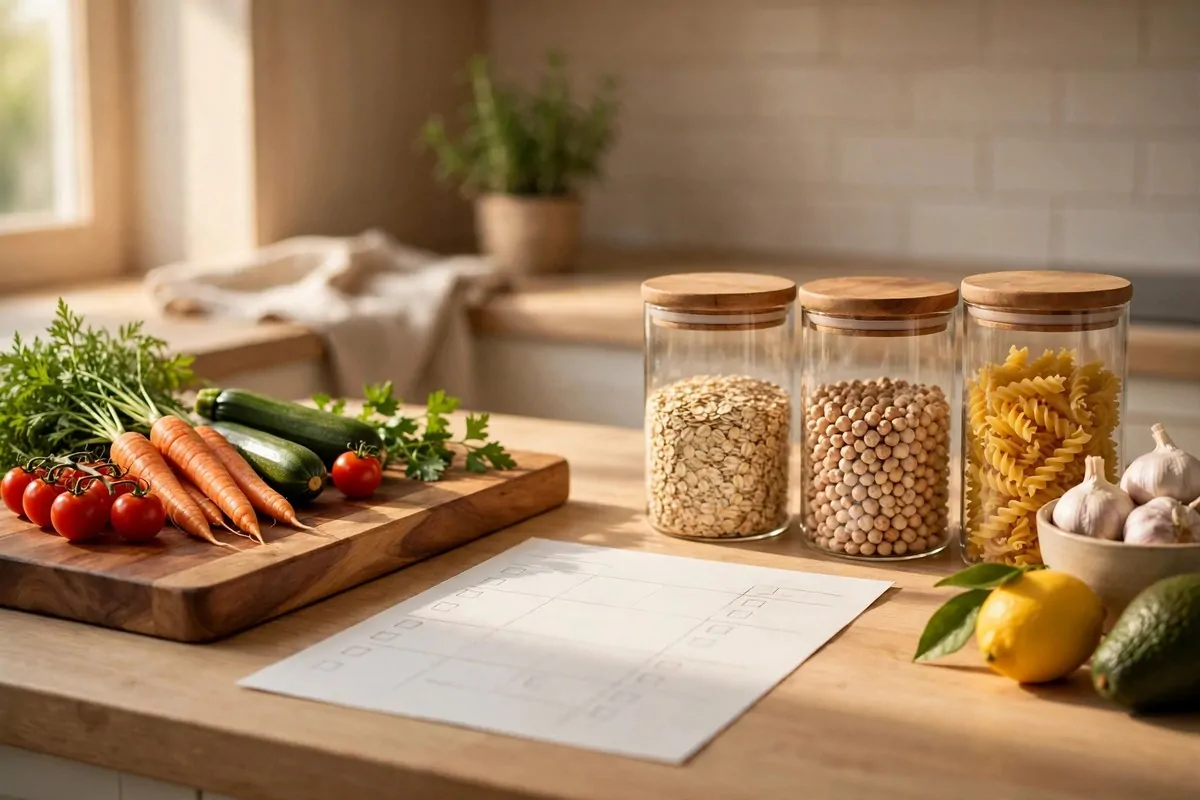
Meal planning means choosing your meals for the next few days before you leave the house. You look at what is already in your cupboards, pick meals that use it up, and write down only what is missing. It helps you because you buy less, you cook with a purpose, and nothing sits at the back of the fridge until it turns.
Try this first. Sit down with a cup of tea, open the fridge, and pick three meals you can make from what is already there. Those three meals are your plan, and they cost you nothing new to start.
Do it today in three steps.
- Check the fridge, freezer, and cupboards, then note what needs using first.
- Pick three or four meals for the week that use those foods.
- Write a short list of only the missing bits, then shop from that list.
Watch out for planning meals that need lots of new bits you will only use once. A plan full of rare extras wastes more than it saves, so build meals around foods you already buy and like.
A good first result is one week with no last minute shop run and no bag of salad left to rot. You will see the fridge stay fuller for longer, and the bin stay lighter at the end of the week.
Here is a fact that shows why home habits matter so much. The United Nations Environment Programme found that households caused 60 percent of all food waste in its 2024 report. What it means for you is that your kitchen is the biggest place to fix this, and a small plan at home beats a big change anywhere else.
Keep your plan short, keep it on the fridge door, and change it when life changes. A plan you actually use is worth more than a perfect one you never look at.
2. Shop With A Short List And Leave The Extra Temptation Behind
You walk in for milk and walk out with crisps, cake, and a jar you already own. That is how a short shop turns into a full trolley, and half of it ends up in the bin. A list keeps your feet on the ground and your trolley light.
Shopping with a list means writing down what you need before you leave, then buying only what is on it. It helps you because it stops the extra buys that spoil before you use them, and it keeps your shop to the meals you planned. A list also makes the shop faster, so you spend less time near the shelves that tempt you most.
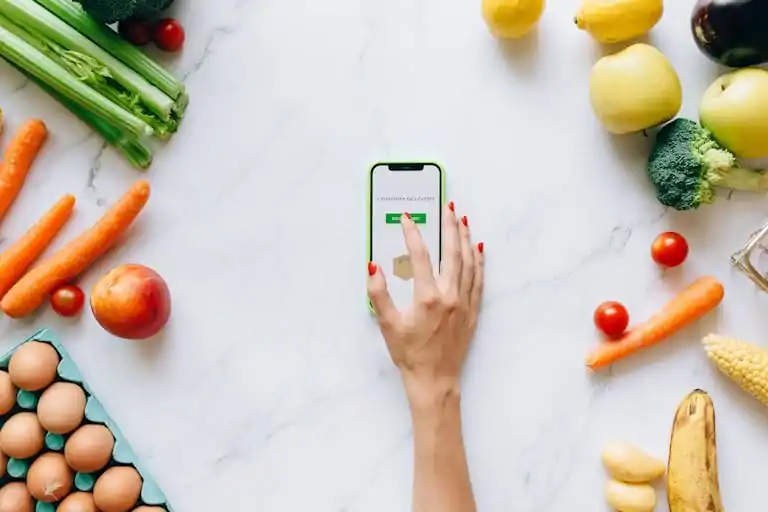
Try this first. Write your list on paper or on your phone, and put it where you will see it before you leave. I used to grab extra snacks at the till, and a list in my hand stopped that habit in one week.
Do it today in three steps.
- Write your list from your meal plan, and check the cupboards first so you do not buy twice.
- Set a rough spend in your head, and add up the big items as you go.
- Skip the aisles you do not need, and leave the shop when the list is done.
Watch out for deals that ask you to buy three when you only need one. A cheap extra is only a bargain if you eat it, and most of them end up soft, stale, or binned.
A good first result is a shop that costs less than usual and a fridge with nothing extra hiding at the back. You will feel the difference by the second shop, when the list feels like second nature.
Keep the list short, keep it honest, and keep it with you. The list is your shield against the shelves, and it works every time you use it.
3. Store Your Food The Right Way So It Stays Fresh For Longer
You buy fresh herbs, push them to the back of the fridge, and find them limp a week later, and that is often a storage problem, not a shopping problem. A small change in how you store food can add days to its life.
Storing food well means keeping each item where it lasts longest, such as herbs in water, bread in a cool dry spot, and soft fruit where you can see it. It helps you because food you can see gets eaten, and food kept cold and dry stays fresh for days longer. Good storage turns a fridge full of forgotten bits into a shelf you can trust.
Try this first. Move the foods that spoil fastest to the front of the fridge, at eye level. When you open the door, you will see them first, and you will use them first.
Do it today in three steps.
- Put foods that spoil fast at the front, where you see them every day.
- Use clear boxes for leftovers and loose bits, so nothing hides at the back.
- Keep the fridge cool and tidy, with raw meat low down and ready food up top.
Watch out for stuffing the fridge so full that cold air cannot move around it. A packed fridge warms up in the middle, and warm food turns faster than you think.
A good first result is herbs still green after five days and no soft fruit hiding at the back. You will notice the bin stays empty of fresh food, and that is the sign storage is working.
Here is a fact that shows how much each of us wastes at home. The United Nations Environment Programme found that each person wastes 79 kilograms of food at home in a year. What it means for you is that a few storage habits can cut a real pile of waste, and most of that pile sits in fridges just like yours.
Keep the front shelf for food that spoils fast, and check it before you shop. A tidy fridge is a quiet way to save cash every week.
4. Eat Your Leftovers First And Turn Them Into A Fresh Meal
There is a tub of last night’s stew at the back of the fridge, and you cook something new anyway. By Friday the stew is gone, and so is the cash it cost. Eating leftovers first is the fastest way to stop that quiet loss.
Using leftovers first means eating what is already cooked before you cook a fresh meal. It helps you because a cooked meal is already paid for, and every tub you finish is a meal you did not have to buy or cook. It also cuts your cooking time, since reheating takes minutes and a new meal takes much longer.
Try this first. Pick one night a week as your leftovers night, and put it on the fridge door. I keep a small shelf just for leftovers, so nothing gets lost behind the milk.
Do it today in three steps.
- Move all leftovers to one shelf, with the oldest at the front.
- Plan one meal a week that uses only what is already cooked.
- Cool leftovers fast, cover them well, and eat them within two days.
Watch out for keeping leftovers for too long, because food left for days can turn unsafe to eat. If it smells off, looks strange, or has sat for more than two days, let it go and learn from it.
A good first result is one full meal from food you already had, with nothing new cooked that night. You will feel the win when the bin stays empty and the fridge shelf clears by Friday.
Here is a fact that shows what leftovers are worth. The United States Department of Agriculture says the average family of four loses $1,500 a year to food nobody eats. What it means for you is that every leftover meal you finish puts a real sum back in your pocket over a year.
Keep the leftover shelf clear, keep the two day rule, and keep one night free for it each week. Small tubs add up to big savings when you finish them all.
5. Freeze Food Early Before It Has A Chance To Go Bad
You buy a pack of chicken for a meal that never happens, and by the weekend it has to go. That pack had a second life in the freezer, but it never got there. Freezing food early is the pause button your kitchen needs.
Freezing early means putting food in the freezer while it is still fresh, not on the day it turns. It helps you because frozen food waits for you, so a busy week cannot spoil it, and you can cook it when you are ready. Bread, meat, cooked meals, and most veg all freeze well, and they taste fine when you thaw them with care.
Try this first. Tonight, look for one thing in the fridge that you will not eat in the next two days, and freeze it now. One small bag in the freezer is the start of a habit that saves food all year.
Do it today in three steps.
- Portion food into small bags or boxes, and write the date on each one.
- Cool cooked food fast, then freeze it the same day you cook it.
- Thaw food in the fridge overnight, and cook it the next day.
Watch out for freezing food in big blocks you cannot use up at once. A large frozen block thaws into more than one meal, and the rest often goes to waste, so freeze in small portions you can finish.
A good first result is a freezer with three or four labelled portions ready for a busy night. You will feel the relief when a late evening ends with a home meal instead of a takeaway you had not planned.
Here is a fact that shows how much food leaves a home uneaten. ReFED found that the average American throws out $690 worth of food at home in a year. What it means for you is that a freezer habit can claw back a good share of that sum, one portion at a time.
Keep bags flat, keep them dated, and keep the freezer list on the door. A freezer you trust is like a second cupboard that never spoils.
6. Read Date Labels With Care So Good Food Does Not Get Binned
You pick up a pot of yoghurt, see the date is today, and bin it without a second thought. That date may not mean what you think it means, and plenty of good food gets binned this way. A little care with labels can save a lot of food.
Date labels tell you about quality and safety, but the two main kinds mean very different things. A use by date is about safety, so food past that date should not be eaten, while a best before date is about taste, so food past it is often still fine to eat. It helps you because knowing the difference stops you from binning food that is still good, and keeps you safe with food that is not.
Try this first. Next time you are about to bin something, check which kind of date is on the pack. Look at it, smell it, and taste a small bit if the date is only about quality, then decide with sense, not fear.
Do it today in three steps.
- Learn the two labels, and treat use by dates as a firm rule.
- For best before foods, check the look and smell before you bin them.
- Move foods near their date to the front, and cook them first.
Watch out for treating every date as a safety date, because that habit bins good food every week. Use by dates are firm, but best before dates are a guide, so check the food itself before you throw it away.
A good first result is one pot of yoghurt or loaf of bread saved from the bin in your first week. You will soon trust your eyes and nose more, and the bin will show it.
Here is a fact that shows the size of this problem around the world. The United Nations Environment Programme found that just over 1 billion tonnes of food were wasted in 2022, about 19 percent of all food available to people. What it means for you is that your kitchen is part of a huge shared pile, and small label habits at home add up fast.
Keep the two labels clear in your head, and teach them to the people you live with. One shared habit can cut a whole home’s waste in a week.
7. Track What You Throw Away And Watch Your Waste Shrink Fast
You throw away a handful of rice here and half a loaf there, and none of it feels like much. But when you write it down for one week, the pile shows itself, and that is when change starts. Tracking waste is the mirror that shows you where your cash goes.
Tracking waste means noting what you throw away, why it went, and what it cost you, for one or two weeks. It helps you because you can see your own pattern, such as too much salad, or bread that goes stale, and then you can fix the one thing that wastes most. Without a note, the same waste repeats every week, and you never see it.
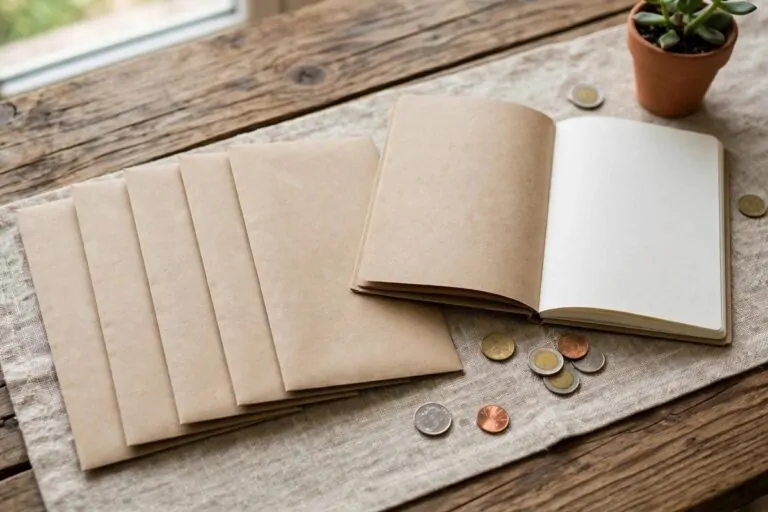
Try this first. Stick a small notepad on the fridge, and write down each item you bin today. By Sunday you will have a short list, and one clear thing to fix first.
Do it today in three steps.
- Keep a notepad or phone note by the bin for one week.
- Write each item, the reason it went, and a rough guess of its cost.
- At the end of the week, pick the biggest item and plan how to stop it.
Watch out for turning the log into a chore that lasts a month. One week is enough to see the pattern, and a long log just gets dropped, so stop after seven days and act on what you found.
A good first result is a short list with one clear pattern, such as bread going stale every week. That one pattern is your first fix, and it is often worth more than all the small bits put together.
Keep the log short, keep it honest, and keep it to one week. The list shows you the truth, and the truth shows you where to start.
Key Takeaways: Seven Ways To Save Money By Wasting Less Food
- Plan three or four meals from food you already own before you shop.
- Carry a short list, and buy only what is written on it.
- Move food that spoils fast to the front, where you will see it.
- Eat cooked leftovers first, and give them one night each week.
- Freeze fresh food early in small dated portions you can finish.
- Learn the two date labels, and check food before you bin it.
- Note what you bin for one week, then fix the biggest pattern.
Your First Three Steps Start Tonight, Not Next Month
You now have seven ways to save money by wasting less food at home, and none of them needs new tools or hours of spare time. The only question left is which one you will try first.
I would start with the meal plan, because it shapes every shop that follows. Pick three meals from food you already have, write the list, and shop from it once. Small starts grow, and tonight is the best time to begin.
Do it today in three steps.
- Pick the idea that feels easiest and write it on a note you will see tonight.
- Do the first small step, such as planning three meals or freezing one item.
- Book the next step in your diary, so the idea does not fade by Monday.
One idea, one evening, one small step. That is all it takes to start, and your future self will thank you for it.