
Eat Healthy on a Budget (Simple Tips)
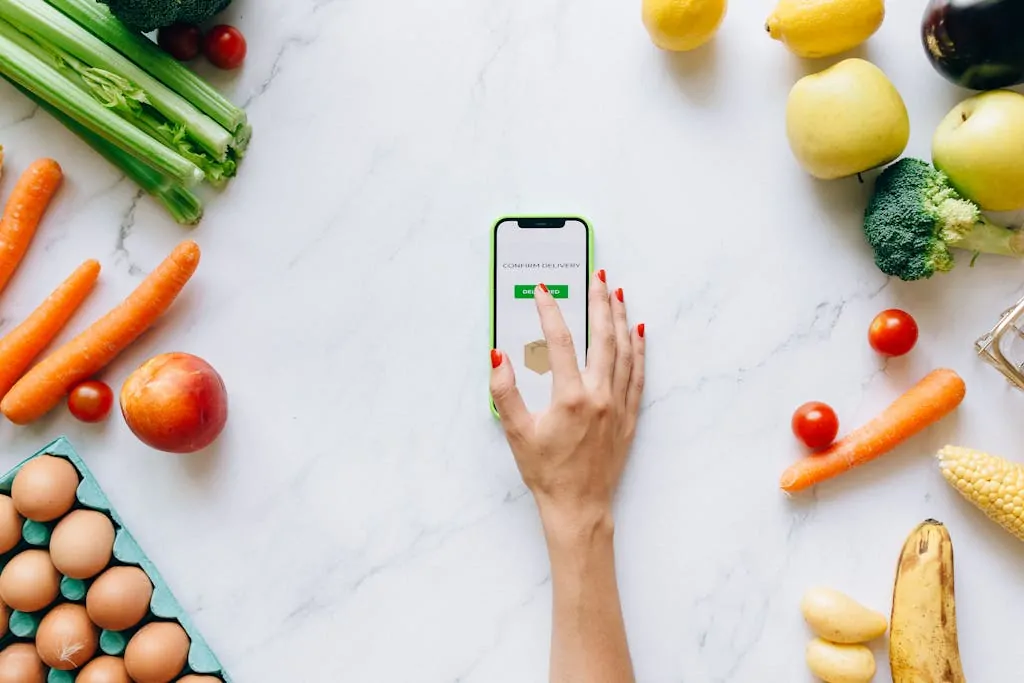
Good food does not have to cost a lot. Many homes spend more than they need to on food each week. They buy what looks good in the store, not what is good for the body. Then the week ends and the money is gone. The food is gone too. But the body still did not get what it needs.
This is a real and very common thing. But there is a way out. With some care and a plan, any home can eat fresh, real food and still save cash. This guide will show real tips that work in real life. Each tip is tested, clear, and easy to act on. By the end, a reader will know how to shop smart, cook well, and stay full with less spent.
1. Plan Each Meal First
Most of the money lost on food goes to no-plan shopping. When a cart gets filled with no list and no plan, too much goes in. Most of it does not get used. It just sits and goes bad.
A meal plan is a map. It tells the shopper what to buy and how much. When a plan is made for 5 to 7 days, the shop trip gets fast and the bill gets small. Start with what is in the home first. Use that food. Then build the list from what is left to buy.
A good plan also stops the trap of last-minute take-out. When food is ready at home, there is no need to spend big on fast food. A week of take-out for a family can cost 4 to 5 times more than a week of home-cooked food made with a plan.
Write the plan down each week. Even a rough one is better than none. It gives the week shape. It cuts waste. It saves real cash. Research from food groups shows that homes with a meal plan cut their food bill by up to 25%. That is a big save just from one habit.
Start with just 3 days of meals planned. Then grow to 5. Then the full week. Each step saves more. The skill gets easy fast.
2. Buy Bulk and Save Big
Dry food that lasts long is much more cheap when bought in bulk. Rice, oats, lentils, dry beans, and whole grain flour are some of the best bulk buys. They store well. They fill the body well. And they cost very little per meal.
A 5 kg bag of rice can make 25 to 30 meals. A small pack of rice from a big store may cost the same and make only 4 to 5 meals. The math is clear. Bulk buy wins every time when the food lasts and gets used.
One key rule with bulk buys: only buy what the home will use. Bulk buy of things that go bad fast is not a save, it is a waste. Dry goods, canned goods, and frozen food are the best picks for bulk. Fresh food like bread or meat can also be bought in more and then frozen for use later.
Many big bulk stores now sell bulk to all, not just to trade. A family or even a small home can join and save well. Some homes share a bulk buy with a near-by family. They split the cost and the goods. This way both homes save and no food gets wasted.
The key is to plan what gets bought in bulk. Make a bulk list that is separate from the weekly shop list. Stock the base items first, like rice, oats, and lentils. Then add to the bulk store over time as cash allows.
3. Cook at Home More
Home food is the single biggest money saver in any food plan. When food is cooked at home, the cost per meal drops to a small part of what a cafe or fast food shop charges. A full home-cooked meal for a family of four can cost the same as one meal for one at a mid-range cafe.
The real block for most is time. Life gets busy. Cooking can feel hard after a long day. But batch cooking solves this well. Pick one day, like the weekend, and cook big. Make large pots of rice, soup, beans, or curry. Store them in the fridge or freeze in parts. Then each day, the meal is ready in minutes. Just heat and eat.
Egg-based meals, bean soups, and rice bowls are fast, cheap, and full of good fuel for the body. A bowl of rice with cooked lentils and a fried egg costs almost nothing but gives the body all it needs to run well. No fancy cook skill is needed for this.
Even just 3 or 4 home-cooked meals per week more than now is a big step. Each home meal that replaces a bought meal saves cash and often saves on the body too. Restaurant food tends to use more salt, oil, and sugar than food made at home.
Start with one new home recipe per week. Build a small list of 5 to 8 meals the home loves and can make fast. Rotate them each week. This keeps it easy and cuts food boredom. Over time, cooking at home becomes normal and fast. The savings grow with each week.
4. Eat More Veg and Beans
Veg and beans are the most value-rich food on the planet. They are cheap, full of fiber, good for the heart, and easy to cook. Yet most homes do not eat enough of them. This is a big miss for both the body and the wallet.
A full plate of mixed veg and lentils costs very little. The same plate in a restaurant may cost 10 to 15 times more. The body does not care where the food comes from. It just needs the good stuff inside it. Veg gives vitamins, fiber, and color. Beans give protein and fuel that lasts long.
In many old food cultures around the world, beans and veg formed the base of each meal. Meat was used in small amounts as a side, not as the main event. This old way of eating is now backed by many health groups as the best way to eat for long life and low cost.
Frozen veg is a great pick for saving money. Frozen at the peak of freshness, they hold their good stuff well. A bag of frozen peas, corn, or mixed veg costs very little and lasts weeks in the freezer. Use them in soups, stir-fries, and rice dishes. They add bulk and good fuel to any meal.
Try to make veg the main part of at least 4 to 5 meals each week. Not as a side. As the star. Dishes like veg curry, bean soup, lentil stew, and mixed veg with rice are filling, warm, and kind to the pocket. They are also very kind to the body. Research links high veg diets to lower rates of long-term illness.
5. Stop Wasting Food
Food waste is money thrown in the bin. In many homes, up to one third of food bought each week gets thrown out. That is a large part of the food budget lost every single week. Stopping food waste is like giving the food budget a free raise.
The root cause of food waste is almost always a lack of plan. Food gets bought, not used, and goes bad. It sits in the back of the fridge and gets forgotten. Then it gets thrown. This cycle repeats every week. The solution is simple but needs a bit of effort: use what is already there before buying more.
A good habit is to do a fridge check before each shop trip. What is left from last week? What needs to be used today or soon? Build that week’s meals around those items first. Then fill in the gaps with the shop list. This one habit alone can cut the weekly food bill by a good amount.
Leftovers are not waste. They are free meals. A pot of soup cooked on Monday can be lunch on Tuesday and part of a stew on Wednesday. A good cook sees leftovers as raw parts for the next meal, not as old food. This view shift is very powerful for both the pocket and the kitchen.
Proper food storage also cuts waste a lot. Learn which items go in the fridge and which go on the shelf. Keep bread in a cool dry spot or freeze it. Store fresh herbs in a glass of water in the fridge. Keep fruit and veg in the right spots so they last. Small storage habits like these add days to food life and save real cash.
6. Shop with a List Always
A list is one of the most powerful tools in the food budget plan. Yet most people skip it. They walk into the store with a rough idea in their head and walk out with a cart full of things they did not need and may never use.
Research on buyer behavior shows that shoppers who go to a store without a list spend up to 40% more than those who bring one. The store is designed to make people spend more. Bright colors, nice smells, and smart placement of high-cost items all push the unplanned buyer to pick up more.
A list breaks this trap. It gives the shopper a clear path through the store. Get in, get what is on the list, and get out. Simple. No side trips to the snack aisle. No last-minute “maybe we need this” picks. Just the list and the door.
Write the list in the order of the store if possible. Group items by zone: veg, protein, dry goods, dairy, frozen. This also cuts the time in the store. Less time in the store means less chance to pick up things that are not on the plan. Time in the store and money spent in the store tend to go up together.
Before writing the list, check what is already at home. Then check the plan for the week. Then write the list from what the plan needs that is not in the home yet. This system takes 10 minutes to set up each week and can save a large amount of money over a month.
7. Pick Store Brand Items
Store brand items are one of the best-kept secrets in food saving. Most stores sell their own brand of basic food items. These include canned beans, pasta, rice, flour, oil, frozen veg, and more. They cost 20% to 50% less than the big name brand versions.
The key fact that many shoppers do not know: in many cases, the store brand and the name brand come from the same factory. The food inside is the same or very close. The only real difference is the label and the price. Big food makers often fill their extra production space by making store brand items too.
For basic, unflavored items like rice, oats, flour, canned tomatoes, and dry beans, store brand is almost always the smart pick. There is no taste or quality loss. The money saved can be put to use for fresh items like good produce or a small treat for the family.
Some shoppers feel that store brand means lower quality. This is a mindset from old times when it may have been partly true. But in most modern stores, the quality is tested and must meet the same rules as name brands. Do a taste test at home. For most base items, the difference will be hard or even impossible to find.
Start by switching 5 to 10 items in the weekly shop to store brand. Track the bill. The save will show up clearly. Then decide if the quality is good enough. In most cases, it will be.
8. Drink Water, Not Costly Drinks
Drinks cost more than most people think. Juice, soda, flavored water, energy drinks, and hot drinks from shops add up to a big part of the food budget. And most of these drinks do not help the body at all. Many of them hurt it.
A daily store-bought coffee can cost over 1,000 units of local money per month for one person. A daily soda habit costs similar or more. These are small daily buys that feel cheap in the moment. But they build into very large yearly costs. And they give little or no good fuel to the body.
Clean water is free or nearly free and is the best drink for the human body. It supports every system in the body. It helps digestion, brain work, energy, and skin. No other drink does what water does. And it costs nothing to drink from the tap or very little from a filter at home.
If plain water feels dull, try sliced lemon, fresh mint, or a small piece of ginger in the glass. These add taste at a very low cost. Herbal tea made at home is also cheap and warm and has real body benefits.
For hot drinks at work or out of the home, a flask of home-made tea or warm water with herbs is a big saver. Over a month, cutting one or two bought drinks per day can save a meaningful amount of money. Over a year, it can be a very large sum.
9. Freeze Smart
The freezer is one of the best tools for saving food and money. Yet most people use it only for a few items. The freezer can hold far more than people think and can make the food budget much more smooth and easy.
Meat is one of the best items to freeze. When it is on sale or bought in bulk, divide it into small parts for each meal and freeze them. This cuts the per-meal cost of meat sharply. No need to buy at full price each week. Buy in bulk when the price is right and freeze for the weeks ahead.
Bread can also be frozen and toasted or warmed as needed. Cooked meals like soups, stews, and curries freeze very well. Make a big batch on the weekend, freeze in part-sized tubs, and have fast, cheap, home-made meals ready for busy days all week.
Many fruits can be frozen too. When berries or bananas go very ripe, freeze them. They are still full of good things for the body and can be used in smoothies or added to oats or baked food. This stops waste and saves money at the same time.
Label everything in the freezer with the date and what it is. A small piece of tape and a pen is enough. This stops the mystery item problem where food gets lost in the back of the freezer and gets thrown out. A well-run freezer can cut both the food bill and the food waste by a big amount each month.
10. Grow Some Food at Home
Even a small home can grow some of its own food. This is not just for big farms or wide gardens. A window box, a few pots on a balcony, or a small patch of ground is enough to grow herbs, salad leaves, and even some small veg.
Fresh herbs from a shop cost a lot for a small amount. A small pot of basil, mint, or parsley costs almost nothing and gives fresh herbs for weeks or months. These can be used every day in cooking and add real taste and good things to the body in each meal.
Salad leaves grow fast and need little space. A flat tray of mixed salad can go from seed to ready in 2 to 4 weeks. Snip the leaves as needed and they keep growing back. This gives fresh salad at almost no cost. A pack of seeds is very cheap and can give many, many meals of fresh greens.
Growing food also builds a deeper care for food itself. When a person sees how much work goes into growing even a small plant, food waste drops. The value of the food goes up in the mind. This mindset shift supports all the other habits in this guide.
Children who grow food at home are also more likely to eat veg and try new foods. It makes eating good food a fun and hands-on thing, not just something they are told to do. The garden, big or small, is a great teacher for the whole home.
FAQ
Can a person really eat well on a very low budget?
Yes, and many homes prove this each day. The key is to base the diet on low-cost, high-value foods like rice, lentils, oats, beans, frozen veg, and eggs. These foods give the body real fuel and cost very little. With a plan and a list, a family of four can eat well on a budget that many think is too low to be real.
What are the best cheap foods to always have at home?
Rice, oats, dry lentils, canned beans, eggs, frozen veg, olive oil or any plant oil, garlic, onion, and whole grain flour. These items form the base of hundreds of meals. They last long. They are rich in body fuel. And they cost very little per serving.
Is frozen food as good as fresh food?
For most veg and fruit, yes. Frozen food is often picked and frozen at peak freshness. This means it can hold more of its good stuff than fresh food that has been in transport for days. For budget eating, frozen veg is a great pick. It is cheap, it lasts, and it is good for the body.
How can a person stop eating out so much?
The best way is to make home food easy and fast. Batch cook on weekends. Keep ready-to-eat items at home like boiled eggs, cooked rice, and pre-cut veg. When the home has fast, good food ready, the pull to eat out gets much weaker. Also plan for the busy days. Know which nights will be short on time and have a fast meal plan ready for those nights.
Is it hard to plan meals each week?
It gets easy fast. Start with just 3 to 4 meals planned for the week. Write them down. Make the shop list from those meals. After 2 to 3 weeks, it becomes a normal and fast habit. Most people who start meal planning say they can not go back to shopping without a plan because the savings and the ease are too good.
Conclusion
Good food and low cost are not two things that fight each other. They go well together when the right habits are in place. The tips in this guide are simple. They do not need a big budget to start. They do not need fancy cook skills or a big home. They just need a will to try and a bit of practice each week.
The biggest changes come from small daily choices. A plan written down. A list taken to the shop. A pot of soup made on a Sunday. A bag of lentils bought in bulk. A glass of water instead of a soda. These small acts add up to a large change over time.
Real health is built meal by meal. A body that gets real food, made at home, with care and thought, runs better and lasts longer. And a home that saves money on food has more calm, more choice, and more peace in its days.
Start with one tip today. Just one. Pick the one that feels most easy. Do it this week. Then add another next week. In a month, the habits will be set. In a year, the results will be clear. Good food, less cost, more life.