12 Best Passive Income Ideas for Beginners to Start Today
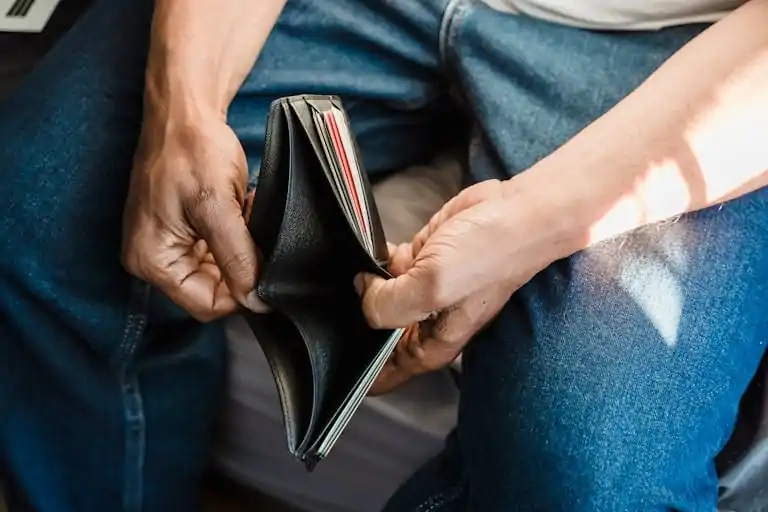
Sunday night comes around again, and you feel that same tight feeling in your chest. You worked hard all week, yet the money in your bank app still looks thin, and you wonder how you will ever get ahead.
After you read this post, you will be able to pick one clear idea, take the first small step today, and know what a good first win looks like. You will not need a big pile of cash, a fancy skill, or a full free month to start.
Passive income means you do the work once, and then it keeps paying you again with much less work later. You build a file, a photo set, a short course, or a small space for rent, and then people keep using it while you get on with your week. It will not make you rich in a week, but it can give you a second stream of money that grows bit by bit.
Read the list with one question in mind: which one fits my time, my skills, and my home right now? Pick that one, and leave the rest for later, because one idea done well beats five ideas started and dropped.
Pick Your First Idea in One Minute, Then Start With That One Only
1. Sell a Simple Template You Already Use, and Let It Keep Selling for You
What if the sheet you already use to plan your week could pay you again and again? You made it once for yourself, and now other people who face the same busy week would pay for a ready made copy.
A template is a ready made file that saves someone time. It can be a budget sheet, a meal plan sheet, a weekly planner, a resume layout, or a simple checklist for a busy week. People buy it because they want a fast start, not a blank page.
Etsy is a well known marketplace where sellers offer digital files just like this, and buyers can download the same file again and again. That means your one file can keep selling while you sleep, cook, or work your normal job. For you, this means one good file can do the work of many hours, so start with the file you already use and trust.
First, pick one problem you have already solved for yourself, such as a meal plan or a weekly plan. Next, clean up that file, test it yourself, and write a short note that says who it helps and what it does. Then, share it in one place where people who need it will see it, and ask the first buyers what they found hard to use.
Watch out for a file that looks messy or tries to do too much, because buyers want it simple and clear. A good first result is one sale from a stranger, or one kind note that says your sheet saved them time, and that tells you to make a second file in the same style.
2. Write a Short Guide That Fixes One Small Problem in a Single Day
Have you ever wished someone would just tell you, in plain words, how to fix one small thing at home?
A short guide does that job for one clear problem. It can show how to start a small garden, plan meals for a tight week, get a room tidy and keep it that way, or learn the basics of a skill you know well. You do not need to write a long book, because a short guide that a reader can finish and use in one day is often more useful.
First, pick one problem and write the steps in the order you would do them yourself. Next, use short steps and real examples from daily life, and keep each part short enough to read in one sitting. Then, ask a friend to read it and tell you which parts felt unclear, so you can fix those parts before you share it.
I once bought a short guide that showed me how to fix a dripping tap in one evening, and that plain help stuck with me.
Watch out for a guide that tries to cover ten problems at once, because it will help no one well. A good first result is one reader who follows your steps and gets it done the same day, and that is your sign to write a second guide on the next small problem.
3. Record a Small Course Once, and Teach People While You Get On With Life
Think of the last time a friend asked you to show them how you do something. You showed them once, they got it, and then a week later someone else asked you the same thing.
A small course lets you show it once on video and help many people at any hour. It can teach how to bake a simple loaf, sew a straight seam, care for indoor plants, or use a basic tool the right way. You do not need a fancy studio, because a quiet room, clear light, and a phone that records clear sound are enough to start.
First, plan short lessons, with one clear goal in each lesson. Next, show each step on camera, talk slowly, and let people see your hands and your work. Then, keep the whole course short at first, so you can finish it and share it without getting stuck.
Watch out for a course that is too long to finish, because a short course that people finish beats a long one that they quit. A good first result is one person who finishes your course and uses the skill the same week, and their questions will show you what lesson to add next.
4. Sell Photos You Already Have, Because One Bright Photo Can Earn Again and Again
Do you have photos on your phone that just sit there and do nothing? Those same photos could earn money while you sleep, if they are clear, bright, and true to life.
Shops, blogs, and small firms need photos of daily life, food, work, nature, homes, and city streets. They pay for the right to use a photo, and the same photo can be used by many buyers. That is why a photo you took once can keep earning long after you took it.
First, look through the photos you already have and pick the ones that look clean and bright. Next, add simple words that say what is in each photo, so buyers can find it when they search. Then, upload a small set each week, and learn which kinds of photos get picked most.
Watch out for dark, blurry, or messy photos, because buyers skip those fast. A good first result is one photo that sells twice, and that tells you to take more photos in that same style.
5. Start a Simple Blog on One Topic, and Let Good Posts Bring Readers Back
You type a question into search late at night, you find a plain post that answers it in five minutes, and you feel glad someone wrote it. That someone could be you, and that post could keep helping people for years.
A blog is a small site where you write about one topic you know and enjoy. It can be simple meals, home care, saving money, gardening, or life with kids. When people find your posts and read them, you can earn from ads shown on your pages and from links to helpful products you truly use.
First, pick one topic and stick with it, so readers know what to expect from you. Next, write posts that answer real questions in plain words, with clear steps and honest advice. Then, post on a steady plan, even if it is only once a week, and keep your old posts fresh by fixing links and adding new tips.
Watch out for a blog that jumps from topic to topic, because readers will not know why to come back. A good first result is one post that still brings readers weeks after you wrote it, and that is your sign to write the next post on the next real question.
6. Start a Video Channel That Shows Each Step, So Viewers Stay to the End
Try this first if you like to show, not just tell. Pick the one thing you can show with your hands in five minutes, and film it today with your phone.
Video is strong because people can see each step with their own eyes. You could share simple recipes, home fixes, garden tips, craft projects, or how to care for pets. Each video you post can keep getting views for months, and views can bring ad money and new followers who want more.
First, say what you will show, then show it step by step, and end with a quick recap so people remember the main points. Next, use good light, speak in a calm and clear voice, and cut out long pauses. Then, post on a regular day each week, and pay close attention to which videos people watch to the end.
Watch out for long videos that wander, because people leave fast when they cannot see the point. A good first result is one video that people watch to the end, and that tells you to make more videos just like it.
7. Rent Out Your Spare Room, and Turn Empty Space Into Steady Money Each Month
Sunday morning, you open your bank app, you see the same tight numbers, and then you walk past a spare room that sits empty most of the year. That room could pay you each month, if it is clean, bright, and ready for a guest.
A spare room works best with a bed, a place to store clothes, and good light. A short stay guest may want it for a few nights, while a longer stay guest may want it for weeks or months.
Airbnb began in 2008 when its founders rented air beds in their living room to guests who came to San Francisco for a design conference and could not find a hotel room. That small start grew into a well known way for people to rent a spare room or a spare home. For you, this means you do not need a big house or a fancy flat to start, because one clean room and clear rules are enough for your first guest.
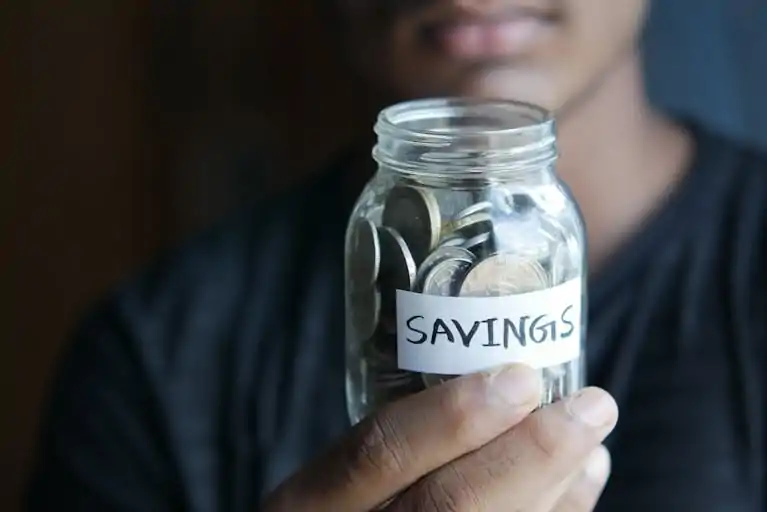
Only 41% of adults in the United States would pay for a $1,000 surprise cost from savings, according to Bankrate in 2025. For you, this means money from one spare room can help you build a buffer for a surprise cost, one month at a time.
First, clean the room, make the bed, and take clear photos in daylight. Next, write down clear rules for check in, check out, and shared spaces like the kitchen. Then, answer messages fast, and keep the room tidy between guests.
Watch out for vague rules, because they cause most problems between hosts and guests. A good first result is one guest who leaves a kind review, and that review will help the next guest trust you.
8. Rent Out Tools You Already Own, Because Neighbours Need Them for Just One Day
Look in your shed or your garage right now. How many tools sit there unused for most of the year, while a neighbour would gladly use one for a single day?
A drill, a ladder, a lawn mower, a pressure washer, a tent, or a set of chairs can help a neighbour who needs it for one day but does not want to buy it. You can start with tools you already own, and you learn fast what people in your area need most. I like this one because it turns things you already paid for into money, with very little new work.
First, pick three tools that are in good shape and easy to carry. Next, list each one with a clear photo and a short note about what it does and how to use it with care. Then, agree on fair terms for a day and for a weekend, and write down rules for pick up, return, and cleaning.
Watch out for tools that are broken or hard to use, because they will cost you time and trust. A good first result is one neighbour who returns a tool clean and on time, and asks to borrow it again next month.
9. Rent Out Your Empty Parking Space, and Let That Spot Pay You Every Month
You drive home, you see cars parked far from their homes, and you think about the empty spot in your garage that no one uses. That spot is not empty to someone who needs a safe place each month.
An empty parking space, a garage spot, or a dry corner of a shed can hold a car, a bike, or a few boxes. In busy areas, people will pay each month for a space they can count on, close to home or work. It is a quiet kind of income, because the space does the work once you set it up.
First, clean the space, make it safe, and mark clearly where things go. Next, agree on the monthly terms in writing, with a clear start date, a clear way to pay, and clear rules for access. Then, check on the space now and then, and keep it tidy.
Watch out for a space that is hard to reach or hard to lock, because people will not pay for a spot they cannot trust. A good first result is one person who pays for a second month, and that tells you the space is worth keeping rented.
10. Own Shares That Pay Regular Payouts, and Let Small Amounts Grow Over the Years
What if a small amount you set aside each month could pay you back again and again, year after year? That is the simple idea behind shares that pay regular payouts.
Some firms share part of their gains with the people who own their shares, through regular payouts. When you own those shares, you can get a payout each quarter or each year, on top of any rise in the value of the shares. It is not fast money, and the value can go up and down, so you need a calm head and a long view.
The 52-week saving challenge adds up to $1,378 in a year if you save $1 in week one and add $1 more each week. For you, this means a small weekly amount can grow into a real sum, so start with an amount you can keep up each week.
First, learn the basics, and only use money you can leave in place for a long time. Next, look for firms with a long record of steady work and steady payouts, not firms that promise fast gains. Then, add a small amount on a regular basis, and let growth on growth do its work over the years.
Watch out for the urge to sell when the market has a bad week, because that is when most people lose out. A good first result is a small payout that lands in your account and shows you the plan is working, even if it is small at first.
11. Recommend Products You Use and Trust, Because Honest Tips Keep Readers Coming Back
Think of the last product you told a friend about because it truly helped you. You told them for free, yet that same honest tip could earn you a small fee when people buy through your link.
This works best when you only share things you have used yourself and would tell a friend about in real life. People can tell when a tip is honest, and they come back for more when they trust you. Say clearly that you may earn a small fee if someone buys through your link, so readers know where you stand.
First, pick one product you use every week and can talk about with ease. Next, write a short and honest note about why you like it, what it does well, and who it suits best. Then, share your tip where people already look for help, such as on your blog, in your videos, or in your guide.
Watch out for tips about products you have never used, because readers will spot it fast and stop trusting you. A good first result is one reader who buys through your link and says thanks, and that is your sign to share one more honest tip.
12. Run a Small Paid Newsletter, and Send One Useful Note Each Week Readers Value
Try this first if people already ask you for more tips after they read your free posts. They are telling you, in plain words, that your help is worth paying for.
You send one useful note each week, with tips, plans, or lists that help your readers save time or do something better. Members pay a small monthly fee to get the full notes, while your free posts keep bringing in new readers.
Substack is a well known platform where writers send paid newsletters to readers who choose to pay each month for their work. Many writers started with free notes, built a loyal group of readers, and then added a paid version with more help in each note. For you, this means you do not need a big launch to start, because ten loyal readers who pay a small fee are a real first win.
First, pick one clear promise for your paid notes, such as one simple plan each week. Next, keep each note short, useful, and easy to act on, with one clear tip, one simple plan, or one good list. Then, ask members what they want more of, and shape the next notes around their answers.
Watch out for notes that are long and hard to use, because members will stop reading them. A good first result is five members who stay for a second month, and that tells you your notes are worth their time.
12 Passive Income Takeaways You Can Act On Today, Starting With Just One Idea
- Turn one sheet you already use into a template, because one ready made file can sell again without fresh work from you.
- Write a short guide for one clear problem, because a reader who can finish it and use it the same day will trust you and come back.
- Film one small course with short lessons, because people can learn from you at any hour once the video is done.
- Pick your best clear photos to sell, because one bright photo can be picked by many buyers and keep earning long after you took it.
- Start a blog on one topic you know well, because a steady set of helpful posts can bring new readers to you week after week.
- Film short videos that show each step, because people trust what they can watch, and good videos keep getting views for months.
- Clean one spare room and set clear rules, because an empty room that stays tidy can turn into steady money each month.
- List three tools you already own, because neighbours often need a tool for one day and would rather borrow it than buy it.
- Clear one safe parking or storage space, because a spot close to home or work is something people will pay for each month.
- Set aside a small amount for shares on a regular basis, because steady payouts and slow growth can build up year by year.
- Share only products you use and trust, because honest tips build trust, and trust is what brings readers back.
- Send one useful paid note each week, because a small group of loyal readers who get real value can grow into steady support.
Pick One Idea Today, Take the First Small Step, and Keep Going Each Week
You do not need to pick the perfect idea, because the perfect idea is the one you will actually start. Pick the one that fits your time, your skills, and your home right now.
First, write down the one idea you picked, and the first small step you will take today. Next, set aside one hour today to take that step, even if it is just to clean a room, list one tool, or write one page. Then, tell a friend what you picked, so you have someone to check in with next week.
I hope you pick one idea today and give it a real try, because small steps done each week can build a second stream of money over time. Start small, stay steady, and let your work build a little more freedom into your life.