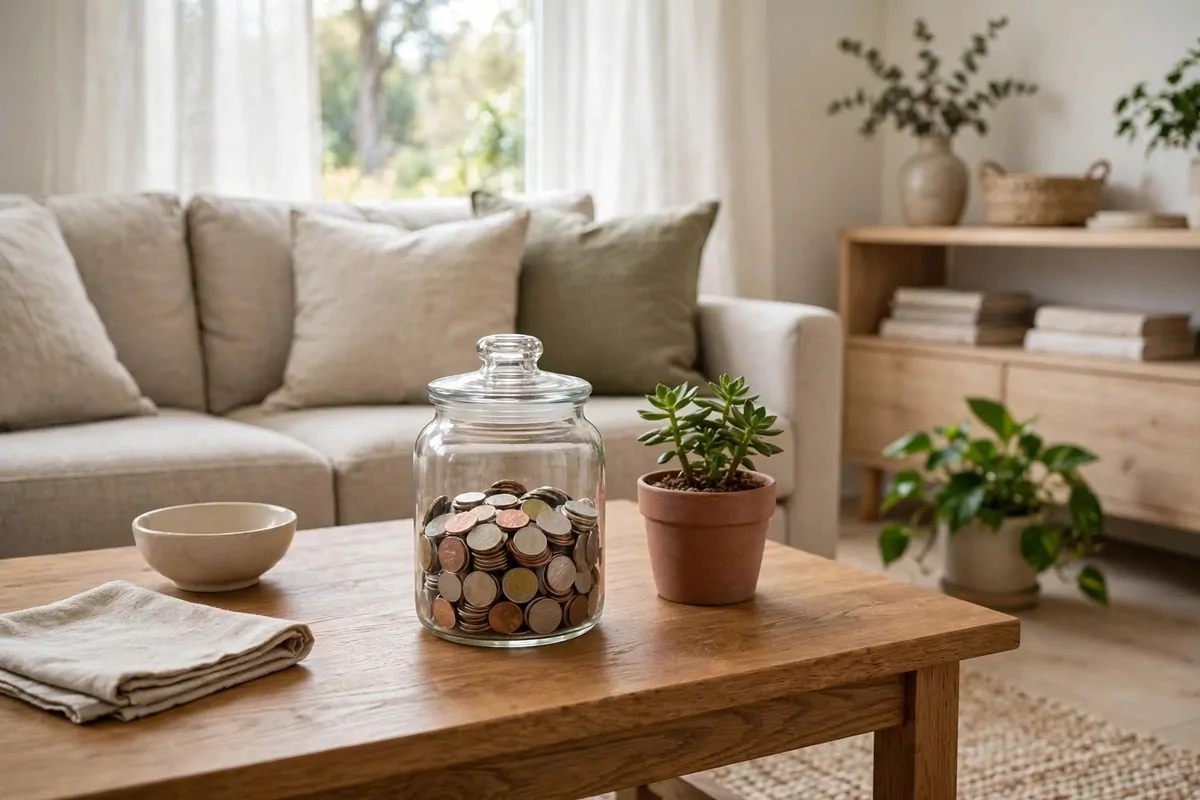
20 Smart Money Saving Tips Around Your Home That Work
Your home feels warm and full, yet the money seems to slip away somewhere between the front door and the end of the month. You pay the bills, you buy the food, you keep the lights on, and still the pot looks thin by week three. I know that feeling well, because a home has a hundred small leaks that never show up as one big cost, and these money saving tips start with the small leaks you can see and fix today.
By the end of this post you will have 20 clear moves you can try around your own home, each one simple enough to start today and strong enough to show up in your bills within a month.
Pick one tip, try it this week, and let the result speak for itself. You do not need a big plan or a perfect home, just a few small changes that add up while life goes on as normal.
Before we start, here is the deal in plain words. You do not need to give up comfort or fun to save cash at home. You need a few smart habits, a little care with heat, water, light, and food, and a way to see the wins fast so you keep going.
Five Quick Wins That Cut Your Home Bills Starting This Very Week
1. Walk Your Home With Fresh Eyes And Spot The Money Saving Tips Hiding In Plain Sight
When did you last walk through your home and look at it the way a guest would? Lights left on in empty rooms, taps that drip all night, and a heater warming a room no one uses are easy to miss when you live with them every day.
Try this first. Take a slow walk from room to room tonight with a small notepad, and write down every little waste you spot. You will be surprised how fast the list grows, and each line on that list is cash you can win back.
- Walk each room and note lights, taps, and heaters left running.
- Mark the three easiest fixes and do them tonight.
- Keep the list on the fridge and tick each fix off as you finish it.
Watch out for trying to fix everything in one night, because that turns a fun hunt into a chore. A good first result looks like three small fixes done tonight and a home that already feels a little smarter.
2. Turn Your Thermostat Down A Little And Let Your Home Stay Warm For Less Cash
Does your home feel warm enough, yet the heating seems to run all day and night? A small change at the thermostat can make a real difference, and most people never feel it at all.
The United States Department of Energy says turning your thermostat back 7 to 10 degrees for 8 hours a day can save up to 10 percent a year on heating and cooling. What it means for you is simple: a cooler home while you sleep or while you are out still feels fine, and the saving shows up month after month.
Try this first. Turn the heat down by one degree today and wear a warm layer indoors, then try one more degree next week if the house still feels fine. Set the heat lower at night and while you are out, and let a timer bring it back up before you wake.
Watch out for turning the heat off fully in cold snaps, because a freezing home can cause damp and burst pipes. A good first result is a home that feels just as warm, with a heating bill that starts to shrink.
3. Swap Old Bulbs For LED Bulbs And Watch Your Lighting Bills Shrink Month After Month
Have you ever held an old bulb after it has been on for an hour and felt how hot it gets? Most of its power turns into heat, not light, and that is cash going nowhere.
The United States Department of Energy says LED bulbs use up to 90 percent less energy and last up to 25 times longer than old style bulbs. What it means for you is that one swap in a busy room can pay you back for years, and you will change bulbs far less often.
- Start with the five lights you use most each day.
- Pick warm white bulbs for living rooms and bedrooms.
- Swap one room at a time, so the cost stays small and easy.
Watch out for buying the wrong fitting, so check the old bulb base before you shop. A good first result is bright rooms, cooler bulbs, and a lighting bill that starts to fall.
4. Catch Drips Early And Shorten Showers To Cut The Water Your Home Wastes Each Day
Can you hear a tap dripping somewhere right now, even a slow one? That tiny sound is water and money slipping away all day and all night.
The United States Environmental Protection Agency WaterSense programme says the average family uses more than 300 gallons of water per day at home. What it means for you is that small fixes, like a washer in a tap or a shorter shower, can save a surprising amount over a year.
Try this first. Fix the worst drip today, then time your next shower and aim to cut it by two minutes. Turn the tap off while you brush your teeth, and only run the washer when it is truly full.
Watch out for ignoring a drip because it looks small, because a slow drip can waste a lot over a month. A good first result is a quiet home, shorter showers, and a water bill that starts to drop.
5. Plan Your Meals For The Week So Good Food Stops Ending Up In The Bin
How much food did you throw away last week, and how much of it was still good? Most homes bin food they meant to eat, and every bit in the bin is money already spent.
The United States Department of Agriculture says food waste is estimated at between 30 to 40 percent of the food supply. What it means for you is that planning meals and using what you buy can save more cash than almost any other habit in this post.
I plan my meals on a Sunday night with a quick look in the fridge and the cupboards, then shop once with a short list. Try this first. Plan five evening meals, shop for those meals only, and cook a little extra so lunch tomorrow is already made.
Watch out for planning meals you never cook, because a plan only works if it fits your real week. A good first result is a fridge with less waste, a shorter shopping list, and food you actually eat.
6. Seal The Gaps Around Doors And Windows To Keep Warm Air Inside Where It Belongs
Stand near a window on a cold day and hold your hand close to the frame. Can you feel a thin stream of cold air sneaking in, even when the window looks shut?
The United States Department of Energy says as much as half of the energy used in your home goes to heating and cooling. What it means for you is that sealing gaps is one of the cheapest ways to keep warm air in and cold air out, and your heater will work far less hard.
- Check each window and door frame for gaps you can feel.
- Fit simple draught strips or sealant where the cold gets in.
- Check the letterbox and keyhole too, since small gaps add up fast.
Watch out for sealing a room so tight that damp air cannot escape, so leave vents open where they belong. A good first result is a warmer room, less draught at your feet, and a heater that rests more often.
7. Wash Clothes In Cold Water With Full Loads And Save Power On Every Single Wash
Do you wash most clothes in warm water out of habit, even when cold would do the job? Modern washing powders work well in cold water, and your clothes often last longer for it.
Try this first. Switch your next three washes to cold, use a full load each time, and see if you can spot any difference in how clean the clothes feel. Most people cannot, and the saving starts from the very first cold wash.
- Wash full loads only, and wait a day if the load is small.
- Use the short cycle for clothes that are only lightly worn.
- Turn clothes inside out to keep colours bright in cold water.
Watch out for washing bedding or towels in cold water when they need a hot wash to feel fresh. A good first result is clean clothes, lower power use, and colours that stay bright for longer.
8. Dry Your Laundry On A Rack Or Line And Give Your Dryer A Proper Rest
Picture a sunny morning with washing on the line, moving gently in the breeze. It costs nothing, it smells lovely, and it gives your dryer a rest at the same time.
Try this first. Put your next load on a rack near a window or out on the line, and leave a small gap between items so air can move around them. Turn heavier items once halfway through, and bring them in as soon as they feel dry.
Watch out for drying clothes in a damp room with no air flow, because that can leave a musty smell and take far too long. A good first result is dry clothes, a quiet home, and a dryer that stays off for days at a time.
9. Cook Big Batches At Home And Freeze Portions For Busy Nights That Tempt Takeaways
It is late, you are tired, and the phone is right there with takeaway menus one tap away. That is the moment when cooking at home feels hard, yet a pot of food in the fridge would change everything.
Try this first. Pick one evening this week to cook a double batch of a simple dish you love, like a stew or a pasta sauce. Eat one half tonight, pack the other half into tubs, and let your future self thank you on a busy night.
- Choose one dish that freezes well and that everyone eats.
- Cook double on a calm evening and cool it fast.
- Label each tub with the dish and the date, so nothing gets lost.
Watch out for cooking huge batches of food no one enjoys, because that just moves the waste from the shop to the freezer. A good first result is two home cooked meals from one cooking session, with far less washing up.
10. Use Your Freezer Like A Pantry And Stop Throwing Away Food You Already Paid For
Open your freezer right now and look at what is really in there. Is it full of food you will eat, or full of bags you forgot about months ago?
Try this first. Clear one shelf, toss anything you cannot name, and put the good food where you can see it. Freeze bread, herbs, and leftovers in small portions, so you can pull out just what you need for one meal.
- Freeze leftovers the same day you cook them, while they are fresh.
- Use small tubs and flat bags, so food thaws fast and stacks well.
- Keep a short list on the door of what is inside, and cross items off as you use them.
Watch out for freezing food for too long, because even frozen food loses taste after months. A good first result is a tidy freezer, less food in the bin, and quick meals ready when you need them.
11. Switch Off Lights And Unplug Chargers When Rooms Sit Empty And Quiet
Walk into an empty room and look up. Is the light on for no one, and is a charger sitting warm in the socket with nothing plugged in?
Try this first. Make it a habit to switch lights off as you leave a room, and unplug chargers when the phone is full. Put a small power strip by the television, so one switch turns the whole corner off at night.
Watch out for switching off things that need to stay on, like the fridge or the router if you need it overnight. A good first result is dark empty rooms, cool chargers, and a home that uses power only where people are.
12. Open Curtains By Day For Free Light And Close Them At Night To Hold The Warmth
Sunlight is free, yet many homes keep curtains half shut all day and lights on instead. A small change in how you use daylight can brighten the whole house.
Try this first. Open the curtains wide each morning, move a chair or a reading spot near the brightest window, and only switch lights on when the daylight truly fades. At night, close the curtains to hold the warmth in and keep cold glass out of the room.
- Clean windows inside and out, so more light gets through.
- Use light colours on walls near windows to bounce daylight around.
- Trim plants outside that block the sun from your main windows.
Watch out for leaving curtains open on a hot afternoon, because strong sun can warm a room too much in summer. A good first result is brighter rooms, fewer lights on, and a home that feels fresh and open.
13. Keep Your Fridge Tidy And Full So It Runs Well And Food Stays Fresh Longer
How often do you open the fridge, stare inside, and shut it again with no idea what to eat? Every long open door lets cold air out, and the fridge has to work hard to cool down again.
I keep a small list stuck on the fridge door of what is inside and what runs out soon. Try this first: decide what you want before you open the door, take it out in one go, and shut the door fast. Keep the fridge sensibly full, since a full fridge holds its cold better than an empty one.
Watch out for packing the fridge so tight that air cannot move around the food, because that makes cooling worse, not better. A good first result is less time with the door open, food you can find fast, and a fridge that hums along quietly.
14. Shop Once A Week With A Short List And Leave Impulse Buys Sitting On The Shelf
Do you pop to the shops most days for one or two things, and come back with five? Each quick trip is a fresh chance to buy things you never planned to buy.
Try this first. Shop once a week with a list built from your meal plan, and stick to the list unless you truly forgot a must have item. Eat before you shop, so hunger does not fill the basket with treats.
- Check the fridge, freezer, and cupboards before you write the list.
- Buy the list first, then allow one small treat if the budget fits.
- Keep the receipt and compare it with last week, so you can see the change.
Watch out for bulk buying food that spoils before you eat it, because a big pack is only a bargain if you use it all. A good first result is one calm shop a week, fewer surprise buys, and a basket that costs less.
15. Mix Simple Cleaners From Vinegar And Baking Soda Instead Of Buying Bottle After Bottle
Look under your kitchen sink and count the bottles. How many do you use each week, and how many have sat there for months?
Try this first. Mix a simple spray from vinegar and water for glass and worktops, and keep baking soda for scrubbing sinks and baths. Test each mix on a small spot first, then use it for a week and see how clean things feel.
Watch out for mixing vinegar with bleach, because that mix is unsafe and must never be used. A good first result is fewer bottles under the sink, clean surfaces, and cash that stays in your pocket.
16. Grow A Few Herbs On Your Windowsill And Snip Fresh Flavour Without A Trip Out
Fresh herbs make a plain meal taste special, yet a small pack from the shop costs a lot and often wilts before you use it. A pot on the windowsill fixes both problems at once.
Try this first. Start with one easy herb, like mint or parsley, in a small pot by the brightest window. Water it a little each morning, snip only what you need, and let it keep growing back for months.
- Pick herbs you cook with often, so nothing goes to waste.
- Use pots with drainage holes, so the roots never sit in water.
- Snip from the top to help the plant grow bushy and full.
Watch out for buying ten pots at once, because one or two thriving plants beat a crowd of sad ones. A good first result is fresh flavour in your cooking, with no extra trip to the shops.
17. Fix Small Things Before They Break And Learn One Simple Repair Each Month
Has a wobbly chair, a dripping tap, or a loose handle been waiting for months while you thought about replacing the whole thing? Small fixes are often far easier than they look.
Try this first. Pick the smallest broken thing in your home today, look up a short how to guide, and fix it with tools you already own. Learn one simple repair each month, and the list of things you can fix will grow fast.
Watch out for tackling jobs that need real skill, like gas or mains wiring, because those belong to a trained person. A good first result is one thing fixed, a skill learned, and a replacement you never had to buy.
18. Borrow And Swap Books Toys And Tools With Neighbours Instead Of Buying New Ones
Think of the last thing you bought to use just once, then stored away for months. A drill, a big pan, or a book you read in a week all fit that pattern.
Try this first. Ask a neighbour if they have the tool or book you need, and offer something of yours in return. Set up a small swap shelf with friends, where books and toys move from home to home instead of sitting in a cupboard.
- Borrow first for one off jobs, and buy only what you use often.
- Return borrowed things clean and on time, so people lend again.
- Swap children’s toys and books as they grow, so nothing gathers dust.
Watch out for borrowing things you cannot look after, because breaking a borrowed thing is worse than never borrowing at all. A good first result is a job done, a book enjoyed, and money still in your pocket.
19. Pick One No Spend Day Each Week And Enjoy Free Fun Right There At Home
When did you last have a whole day at home without spending a penny? It sounds hard, yet most homes are already full of free fun waiting to be used.
Try this first. Pick one day this week, plan a free meal from food you already have, and fill the day with things that cost nothing, like a walk, a book, or a game with the family. Tell the family the plan in advance, so everyone looks forward to it instead of feeling left out.
Watch out for turning the day into a test of willpower, because a no spend day should feel like a treat, not a punishment. A good first result is a fun day at home, a fridge a little emptier, and a wallet that stayed shut all day.
20. Run A Short Weekly Home Money Check So Nothing Slips Past You Ever Again
Do your home bills ever surprise you at the end of the month, even though the same ones arrive every month? A short weekly check stops surprises before they grow.
Try this first. Sit down for ten minutes each week with your bills and your bank balance, and write down what came in, what went out, and what is left. Pick one small saving for next week, and note which tip from this post you will try next.
- Check each bill against last month and spot any rise.
- Move a small amount aside for saving while you look at the numbers.
- Pick one home tip to try in the week ahead.
Watch out for turning the check into a scolding session, because blame makes you skip next week. A good first result is calm numbers, no surprises, and a clear plan for the week ahead.
Key Takeaways: Money Saving Tips To Use Around Your Home Starting Today
- Walk your home tonight and write down every little waste you spot.
- Turn the heat down a little and let it drop lower while you sleep.
- Swap the five most used bulbs for LED bulbs this week.
- Fix the worst drip today and cut two minutes from your next shower.
- Plan five evening meals and shop once with a short list.
- Seal the gaps around doors and windows to keep warm air inside.
- Wash full loads in cold water and see how clean they come out.
- Dry laundry on a rack or a line and rest the dryer.
- Cook a double batch once a week and freeze the second half.
- Keep the freezer tidy and freeze leftovers the same day.
- Switch lights off as you leave and unplug chargers when full.
- Open curtains wide by day and close them at night for warmth.
- Decide before you open the fridge and shut the door fast.
- Shop once a week from a list and leave impulse buys behind.
- Mix simple cleaners at home and cut the bottles under the sink.
- Grow one herb on the windowsill and snip only what you need.
- Fix one small thing yourself and learn a new repair each month.
- Borrow or swap tools and books before you buy new ones.
- Pick one no spend day each week and enjoy free fun at home.
- Run a ten minute home money check every week and stay calm.
What To Do First Today In Three Short Steps Around Your Home
I started with just one of these tips, and the small win made the next one easy. You can do the same, starting tonight, with no big plan and no fuss.
- Walk your home tonight and fix the three easiest wastes you find.
- Turn the heat down one degree and set it lower while you sleep.
- Plan five evening meals and write your shopping list for the week.