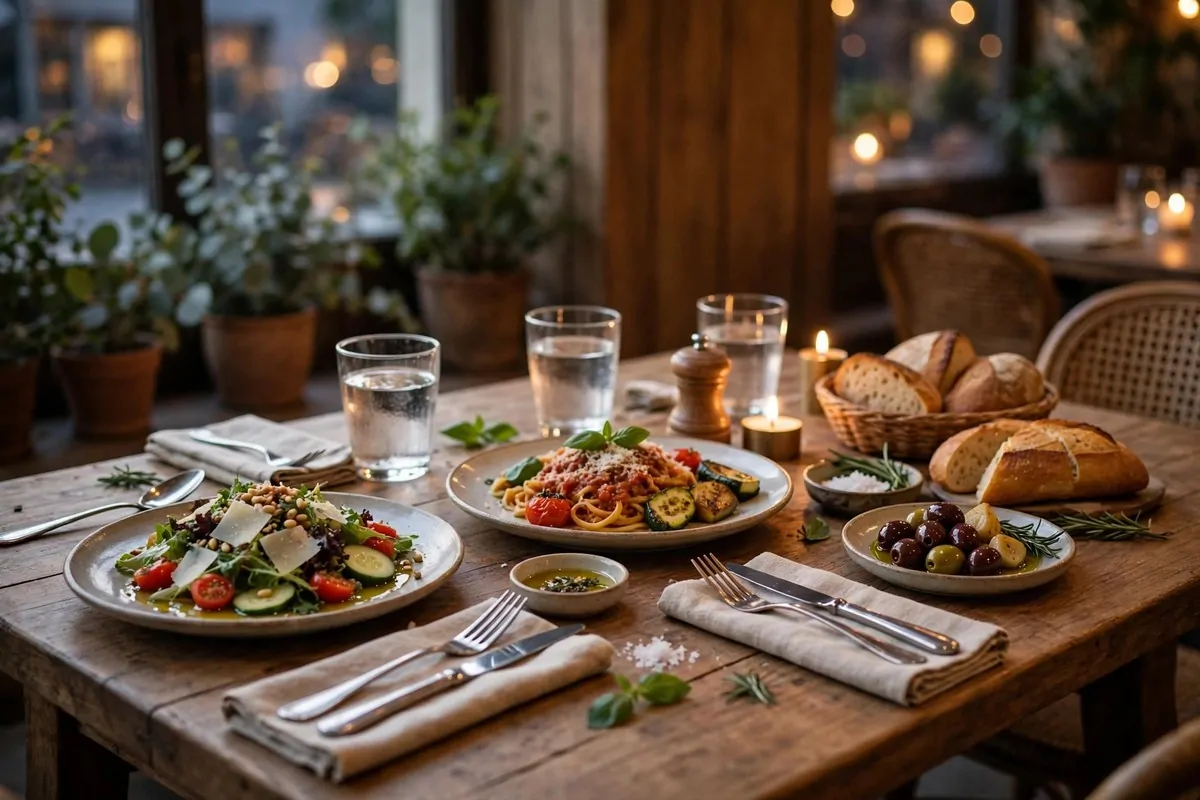
9 Ways to Save Money at Restaurants Without Staying Home
You love a meal out, but the bill at the end always stings a little more than you planned. You want to save money at restaurants, yet staying home every night feels like giving up one of the best parts of the week. I know that feeling well, because most saving advice tells you to cook every meal and never eat out, and that plan lasts about a week.
This post is different. You will walk away with nine clear ways to save money at restaurants while still enjoying meals out with the people you love.
Each way comes with small steps you can do today, not next month and not after a big change in your life. Pick one, try it on your next meal out, and watch the bill tell a new story.
Before we start, here is the deal in plain words. You do not need to give up restaurants, order the cheapest thing on the menu, or sit there wishing you were somewhere else. You need a few small moves that cut the bill without cutting the fun, and a way to see the saving fast so you keep going.
Four Small Habits That Cut Your Restaurant Bill Without Cutting The Fun
1. Pick Lunch Instead Of Dinner To Save Money On The Same Kind Of Meal
Have you ever looked at the same dish on a lunch menu and a dinner menu and wondered why the price changed? Many kitchens serve the same food at midday for less, because lunch crowds want speed and value while dinner crowds pay for the evening. That gap is your opening, and it costs you nothing but a change of timing.
Here is a fact that shows why the gap matters. The United States Bureau of Labor Statistics Consumer Expenditure Survey for 2024 puts average household spending on food away from home at $3,945 for the year, or about $329 a month. What it means for you is that small cuts to each meal out add up fast, because that yearly total comes from lots of ordinary bills, not a few wild nights.
Do it today in three steps.
- Pick one meal out this week and move it to lunchtime.
- Look at the lunch menu first and pick from the midday dishes.
- Compare the bill with your last evening meal out and keep the difference in mind.
Watch out for ordering extra courses just because the main dish cost less, because a cheap lunch with three add-ons can cost more than a plain dinner. A good first result looks like this: the same kind of meal, the same good food, and a bill that is clearly lower than usual.
2. Stick With Tap Water And Skip The Drink That Doubles Your Bill
Think about the last time a drink landed on your table before you even asked for it. A glass of something fizzy or a bottle of water can cost as much as a side dish, and it adds up before the food even arrives. I used to order a drink with every meal without thinking, and the bill always felt bigger than the food I remembered.
Here is a fact that shows how wide the gap can be. A Wellio report found that eating at a restaurant costs nearly 5 times more per serving than cooking the same meal at home, and drinks carry some of the widest gaps of all. What it means for you is that the drink is often the easiest saving on the whole table, because you can swap it in one second and miss nothing.
- Ask for tap water when you sit down, before you look at the drinks list.
- Save the fancy drink for one meal a month, so it stays a treat.
- Check the bill and see how much the drink line used to add.
Watch out for the free refill trap, where a cheap first drink turns into two or three by the end of the meal. A good first result is a bill with no drink line at all, and a meal that tasted just as good.
3. Share One Starter And One Main So Two People Eat Well For Less
Picture two people at a table, each with a starter, a main, and a side, and half of it going cold while they pick at it. Most restaurant portions are big enough to share, and two people can eat very well from one starter and one main each if they pick well. This way works best when you eat with someone who likes the same kind of food as you.
Sharing is not about going hungry. It is about matching the food to your real appetite instead of the menu, and it turns one big bill into a fair split that both of you feel good about. You still get the meal out, the buzz of the room, and a plate you enjoy, but you skip the part where you pay for food you leave behind.
- Pick a friend or family member who is happy to share.
- Order one starter and one main to split, plus one side if you are both still hungry.
- Split the bill in half, and keep the saving for your next meal out.
Watch out for sharing with someone who eats far more than you, because then the split stops feeling fair. A good first result is two full plates, no waste, and a bill that looks like one person ate alone.
4. Skip The Dishes You Can Make Cheaply At Home And Order The Tricky Ones
Ever ordered a plate of pasta, loved it, and then realised you could have made it at home for a fraction of the price? That feeling is your guide here, because some dishes are simple and cheap to cook, while others take skill, time, and kit you do not have. Order the tricky ones, and leave the easy ones for your own kitchen.
Here is a fact that proves the point. A March 2026 report from BLogic Systems found that lasagna carries a 586% markup, with a single portion costing little at home and far more on a menu. What it means for you is that simple dishes built on cheap base foods carry the widest gaps, so the smart order is the dish you would struggle to make yourself.
- Skip pasta, rice, and simple egg dishes when you eat out.
- Order dishes that need slow cooking, a hot grill, or skills you do not use at home.
- Keep a short list of your easy home dishes, so you stop ordering them by habit.
Watch out for picking the most costly dish just because it looks fancy, because the goal is value, not the biggest number on the menu. A good first result is a plate that felt worth every penny, because you could not have made it that well at home.
5. Read Every Line Of The Bill Before You Pay So Mistakes Stay Yours To Catch
When was the last time you read a restaurant bill line by line before you paid it? Most people glance at the total, nod, and pay, and that is exactly how extra items and wrong prices slip through. A one minute check at the table can save you from paying for food you never ordered.
Bills go wrong more often than you think, because busy rooms, shared tables, and long orders all invite small slips. The fix is simple and it takes no skill at all, just a calm look at each line while the meal is still fresh in your mind. If something looks wrong, ask about it with a smile, because staff fix honest mistakes fast.
- Ask for an itemised bill, so you can see each dish and drink.
- Match each line to what your table ordered, one by one.
- Ask about any line you do not recognise, before you pay.
Watch out for the rush to pay and leave, because that is when mistakes stay on the bill. A good first result is a bill that matches your meal exactly, and the quiet confidence that comes from checking.
6. Choose The Set Menu When It Gives You Three Courses For One Clear Price
Have you ever added up three courses from the main menu and felt your eyes widen at the total? A set menu fixes that problem before you order, because it bundles a starter, a main, and a sweet into one clear price. It takes the guesswork out of the bill and lets you relax into the meal.
Here is a fact that shows how much eating out now takes. The United States Department of Agriculture found that food away from home took more than half of all food spending in 2024, a record share. What it means for you is that meals out are now a big part of how people spend on food, so a set menu that caps the bill is worth asking for every time.
| Course | On a set menu | From the main menu |
|---|---|---|
| Starter | Included in one price | Priced on its own |
| Main | Included in one price | Priced on its own |
| Sweet | Included in one price | Priced on its own |
Watch out for set menus that only run on quiet nights or come with a short list of dishes you do not like, because a bad set menu is no saving at all. A good first result is three courses, one clear price, and no surprise when the bill arrives.
7. Eat A Small Snack At Home First So Hunger Stops Ordering For You
Think about the last time you walked into a restaurant starving, and ordered a starter, a main, a side, and a sweet before the waiter had even left. Hunger orders more food than you need, and the bill shows it. I keep a small snack in my bag for days when dinner runs late, and it has saved me from ordering two starters more than once.
A small snack before you go takes the edge off your hunger, so you order what you really want instead of everything that looks good. It does not spoil your meal, because a light bite leaves plenty of room for dinner, but it stops the panic ordering that doubles the bill. Try a piece of fruit, a few nuts, or a slice of toast about an hour before you go.
- Eat a light snack about an hour before your meal out.
- Drink a glass of water before you leave the house.
- Read the menu online first, so you pick your dish before hunger picks it for you.
Watch out for a snack that is too big, because then you sit down full and waste the meal you paid for. A good first result is one main dish ordered calmly, eaten slowly, and enjoyed to the last bite.
8. Ask For The Dish Of The Day Because Kitchens Price It To Sell Fast
What if the cheapest dish on the menu was also the freshest one in the kitchen? That is often the dish of the day, because kitchens build it around what is fresh, in season, and ready to sell. It is the one plate the chef wants you to order, and the price shows it.
The dish of the day changes often, and that is part of its charm, because it gives you a reason to try something new without paying a premium for it. Kitchens price it to move fast, so it tends to cost less than the same kind of dish on the main menu. Ask what it is the moment you sit down, before you fall in love with a costly favourite.
- Ask for the dish of the day as soon as you sit down.
- Ask what comes with it, so you know if you need a side.
- Order it when it sounds good, and pick from the main menu only when it does not.
Watch out for a dish of the day that comes with costly extras you did not ask for, because sides and sauces can lift the price fast. A good first result is a fresh plate you had not planned to try, at a price that felt like a small win.
9. Plan Your Restaurant Nights For The Month And Save Money Without Missing Out
How many meals out did you have last month, and could you name them all without checking your bank? If the number surprises you, that is the whole problem, because meals out creep up one at a time until they own a big slice of your month. A simple plan for the month puts you back in charge, and it costs nothing to make.
Here is a fact that shows the size of the slice. The United States Bureau of Labor Statistics Consumer Expenditure Survey for 2024 found that food away from home makes up 39% of all food spending, which is $3,945 out of $10,169 for the year. What it means for you is that meals out are not a small extra, so planning them like any other spend is one of the fastest ways to save money.
- Pick how many meals out you want each month, and write the number down.
- Choose the nights in advance, so each one feels special.
- Keep a running count on your phone, and swap a spare night for a meal at home when the month runs long.
Watch out for a plan that is so strict it bans every meal out, because a plan you hate is a plan you drop. A good first result is a month where you ate out, enjoyed every night, and still stayed inside the number you picked.
Key Takeaways To Help You Save Money At Restaurants Starting Today
- Move one meal out to lunchtime, and keep the same food for less.
- Ask for tap water first, and let the drink line disappear from the bill.
- Split a starter and a main with someone, so two people eat well for less.
- Leave simple dishes for your own kitchen, and order the tricky ones out.
- Read each line of the bill before you pay, so mistakes never slip through.
- Pick the set menu when it bundles three courses into one clear price.
- Eat a light snack before you go, so hunger stops ordering extra food.
- Ask for the dish of the day first, because it is often fresh and fairly priced.
- Plan your meals out for the month, and enjoy each one inside your number.
What To Do First Today In Three Short Steps Before Your Next Meal Out
Start small and start now, because three short steps today beat a perfect plan next month.
- Pick your next meal out and move it to lunchtime.
- Write down how many meals out you want this month.
- Ask for tap water at your next meal, and see the bill drop.